Community Bulletin
Since joining Vandalia Health, the former Davis Health System has widened access across central West Virginia. Primary care remains the front door — now at five clinics, including Buckhannon Medical Care, backed by a 190-location network. Read more →
This story brought to you paywall-free, courtesy of the My Buckhannon team and our community partners
CHARLESTON, W.Va. — Governor Patrick Morrisey launched West Virginia’s Blue Envelope Program last Thursday, a new initiative designed to improve communication during traffic stops involving drivers with autism spectrum disorder, dementia or intellectual or developmental disabilities.
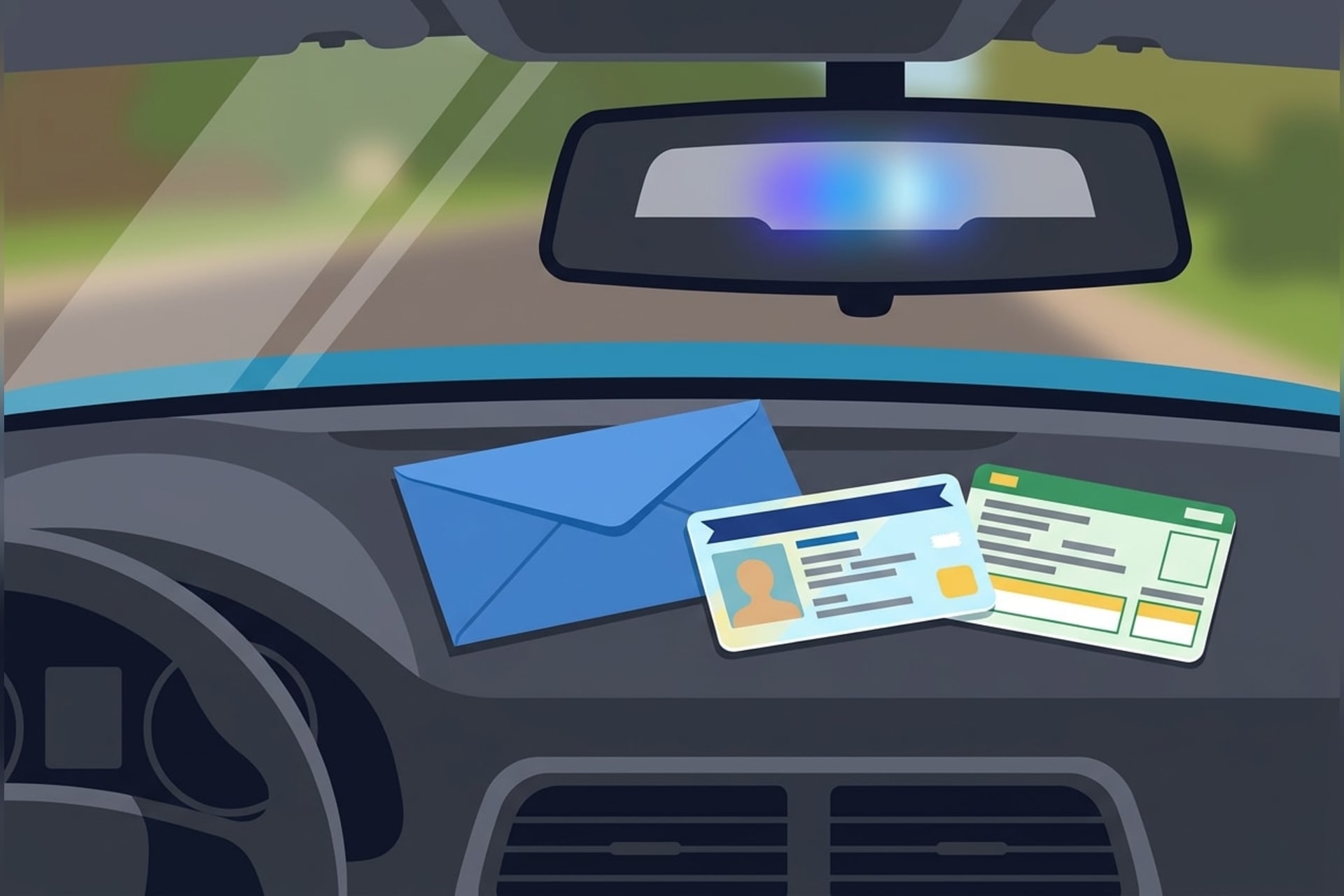
The program provides participating drivers with a blue envelope that holds their driver’s license, registration, insurance information and emergency contact information, along with communication guidance that alerts responding officers to the driver’s condition and may help make the interaction safer and less stressful for everyone involved.
“We’ve watched law enforcement officers rescue families from floodwaters, help communities recover, and serve West Virginians during some of their toughest moments,” Morrisey said. “The Blue Envelope Program reflects that same commitment to public service by giving our officers another tool to communicate effectively, protect vulnerable drivers, and help ensure routine traffic stops remain safe for everyone involved.”
The Blue Envelope Program helps reduce the potential for misunderstandings by providing officers with important context at the beginning of an interaction. The program promotes safer, more effective communication while providing added peace of mind for drivers, families and law enforcement alike.
The West Virginia State Police administers the program and will make blue envelopes available free of charge through State Police detachments and Division of Motor Vehicles offices for eligible drivers.

“This is a simple idea that can make a meaningful difference,” Morrisey said. “It supports law enforcement, provides peace of mind for families, and reflects the kind of commonsense solutions that make our communities stronger and safer.”