Community Bulletin
Twin Oaks Home Sales is now renting newly set-up manufactured homes at its Meadowlands community near Buckhannon, starting at $800 a month — a quiet country setting close to town and schools. Good credit and references required; no homes are currently for sale at Meadowlands. Read more →
This story brought to you paywall-free, courtesy of the My Buckhannon team and our community partners
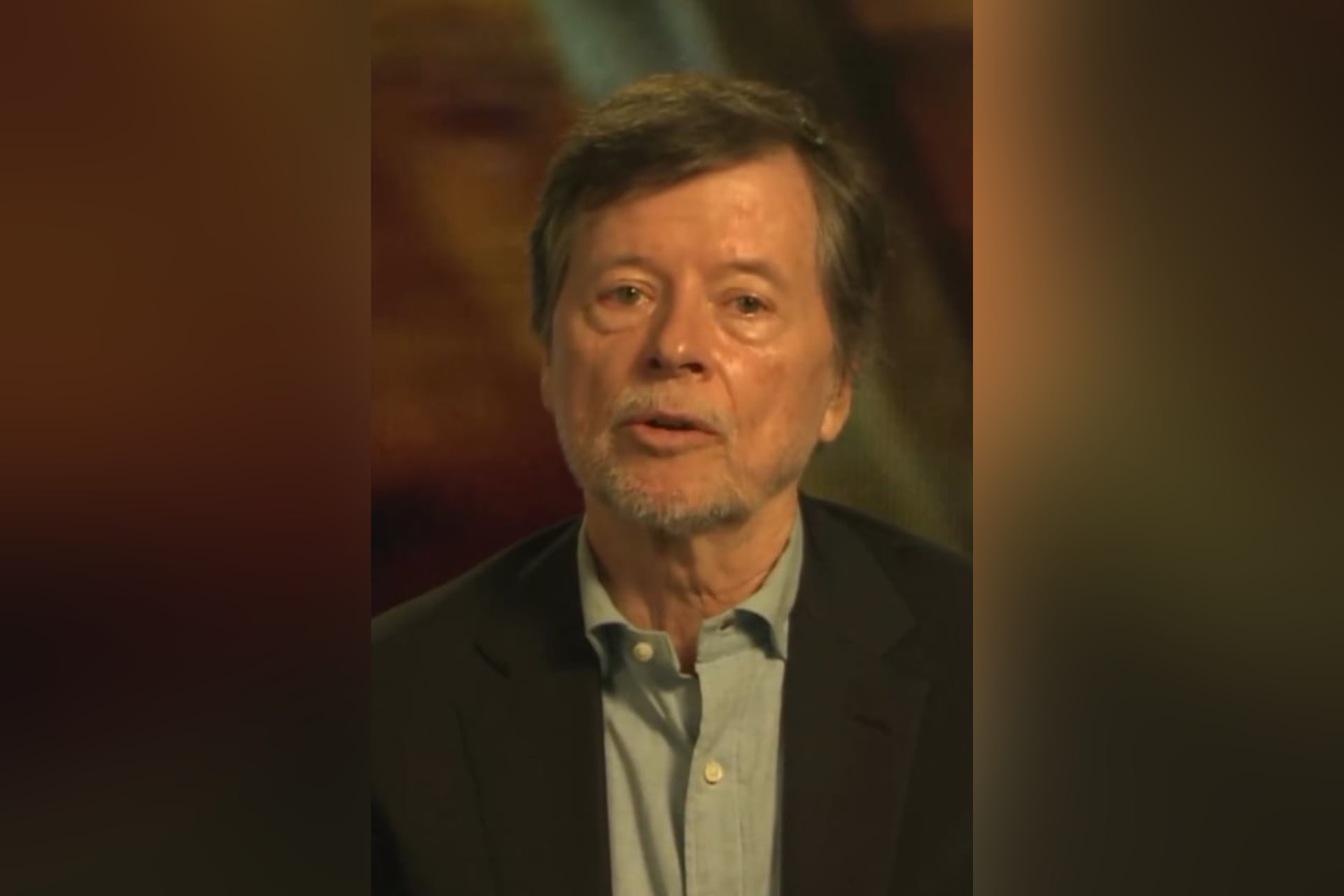
Documentary filmmaker Ken Burns has joined the opposition to the proposed Valley Link transmission line, lending one of the most recognizable voices in American storytelling to a fight Upshur County residents and officials have been waging since early July.
“I want to speak to you because I’m gravely worried about the proposed 260-mile Valley Link power line that’s going to plow through much of West Virginia, including historic Jefferson County and the lower Shenandoah Valley,” Burns said in a video posted to social media.
Burns has spent more than four decades chronicling American history in documentaries for PBS, including “The Civil War,” “Baseball,” “The Vietnam War” and last year’s “The American Revolution.” His video focuses on the eastern end of the proposed line, where it would cross Jefferson County in the state’s Eastern Panhandle — but the fight he describes is the same one playing out along the rest of the 260-mile route, including in Upshur County.
“These data center power line fights are being waged all across America as people stand up for their farms, their homes, and their communities, but there’s no more important fight than Valley Link,” Burns said.
“I know and love Jefferson County and the Shenandoah Valley. This area is at the center of our shared national history,” he said, noting that soldiers from Shepherdstown were among the first to join George Washington in the Revolution and that Civil War battles were fought in the region.

“Every step along the proposed power line is sacred ground. If Valley Link is allowed to go forward, it will damage our history in ways that can never be undone,” Burns said.
“To desecrate this land and destroy countless farms and homes by building a massive 765 kilovolt power line is unthinkable, particularly in the year when we commemorate our 250th anniversary as a nation,” he said. “I’m proud to be on the side of farmers and history lovers, and urging you to add your voice to this important and urgent cause. Say no to Valley Link.”
Closer to home, two state delegates whose districts include parts of Upshur County have announced their own opposition to the line’s northern segment, known as Valley North, saying West Virginians would bear the costs while the main benefits would go elsewhere.
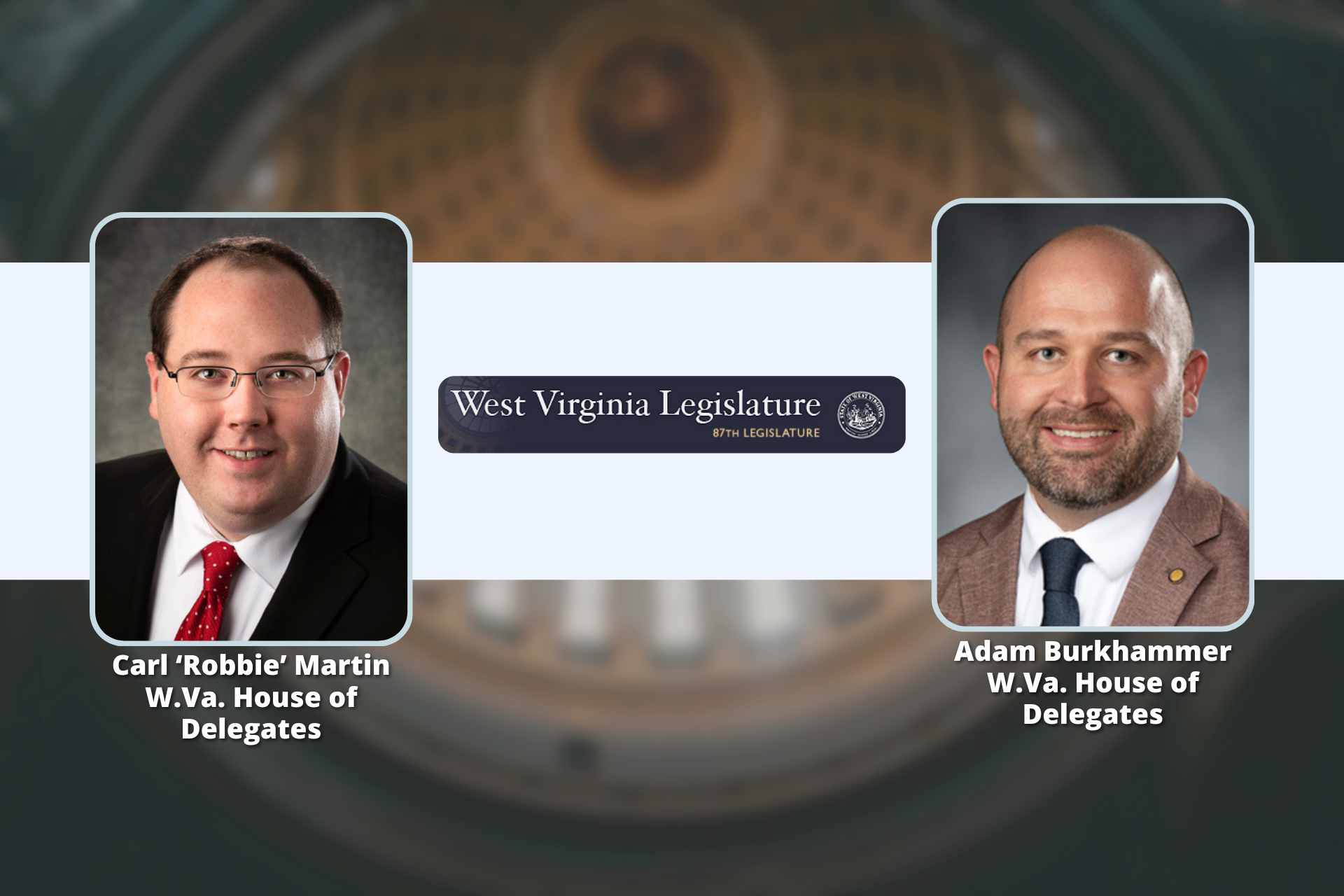
State Delegate Carl “Robbie” Martin, who represents House District 65 in Upshur County, said the project would threaten private property and rural communities.
“As a duly elected member of the West Virginia House of Delegates representing District 65 in Upshur County, I strongly oppose the proposed Valley North Transmission Line, part of the broader Valley Link project,” Martin said in a statement issued last month.

Martin cited the possible use of eminent domain and residents’ concerns about towers, cleared rights-of-way, property values and potential health and environmental effects.
“West Virginians would bear the costs, higher electricity rates for ratepayers, lost land, and scarred scenery, while the primary economic benefits flow elsewhere. We are not opposed to economic growth or infrastructure, but West Virginia should not serve as an ‘extension cord’ for out-of-state interests at the expense of our citizens,” Martin said.
Martin urged the West Virginia Public Service Commission to scrutinize the project and reject any route that does not demonstrably benefit West Virginia ratepayers and landowners. He also called on Valley Link Transmission to respect voluntary easements, provide transparent and comprehensive impact studies and address local concerns.
State Delegate Adam Burkhammer said in a July statement that he attended a community-led meeting in Rock Cave and a Valley Link open house in Weston before announcing his position.
“The evidence is clear through the information provided that this in no way benefits Lewis County, Upshur County, or West Virginia as a whole. I share in your concerns and opposition to this project. We should not have to sacrifice our land and way of life to benefit Virginia and Maryland,” Burkhammer said.
Burkhammer said he waited to gather information and feedback before issuing a statement or deciding how to respond as a representative. He said he would share new information as the project develops.
Valley Link is a joint venture of Transource, Dominion Energy and FirstEnergy Transmission. The company says Valley North would run about 260 miles of new 765-kilovolt transmission line — one of the highest transmission voltages in use in the country — from Putnam County, West Virginia, to Frederick County, Maryland, with new substations in Hardy County and in Frederick County.
The company says the region’s electricity demand is expected to double over the next decade and that the line would strengthen the grid, deliver more reliable and affordable power, create hundreds of local construction jobs and bring other economic benefits.
Opponents describe the project very differently. Residents who packed the Upshur County Commission’s July 9 meeting — where not one person spoke in favor — said the line exists to move power east to feed data centers in Northern Virginia, that it would consume more than 6,300 acres of private West Virginia land through eminent domain and that its cost would land on West Virginia ratepayers in the form of higher electric bills.
The opposition stacked up quickly from there. State Sen. Robbie Morris announced his opposition after hearing from hundreds of constituents, the commission formally adopted a resolution against the project July 16 and State Sen. Bill Hamilton came out against the line July 20, making both of the county’s state senators opponents. Barbour County’s commission had already adopted a resolution of its own.

“It’s designed to move power to other states, yet we’re being asked to shoulder part of the cost,” Hamilton said at the time.
Final say rests with the West Virginia Public Service Commission, which holds the legal authority to approve or deny the project. The project has not been filed with the agency, and local election officials have pledged to notify constituents when that happens so they can comment and take part in public hearings.
For Burkhammer, the statements are only a start.
“The easy part is issuing a statement in opposition. Now the work begins. I will continue to coordinate with local and regional elected officials, residents and landowners, and the appropriate government agencies to oppose this project in the most strategic manner,” Burkhammer said.