Community Bulletin
Foot and ankle pain no longer means a long drive. Vandalia Health Foot & Ankle now treats patients in four central West Virginia towns — Buckhannon, Cowen, Elkins and Philippi — part of the network long known as Davis Health System. Read more →
This story brought to you paywall-free, courtesy of the My Buckhannon team and our community partners
West Virginians can now apply for a share of $88 million in public funding to make their homes more energy efficient and reduce utility bills, following the statewide launch of two home energy rebate programs September 28.
According to releases from the governor’s office and the West Virginia Office of Energy, the $88 million allocation comes from the federal government through the U.S. Department of Energy. The West Virginia Office of Energy administers the programs, which help qualifying households pay for improvements ranging from insulation and air sealing to heating systems and appliances.
Residents need approval before spending money on a project. According to the Office of Energy’s release, applicants must finish the program’s application, assessment and approval process before work begins. Purchases and projects completed before approval cannot receive rebates.
The two programs offer different ways to improve a home’s energy efficiency.
The Home Owner Managing Energy Savings program, known as HOMES, pays toward whole-home projects designed to produce measurable energy savings. A home energy audit identifies improvements for an approved project.

Those improvements may include insulation, air sealing, efficient windows and exterior doors, ductwork, appliance upgrades and heating and cooling systems. The rebate amount can depend on household income, qualifying costs and projected energy savings.
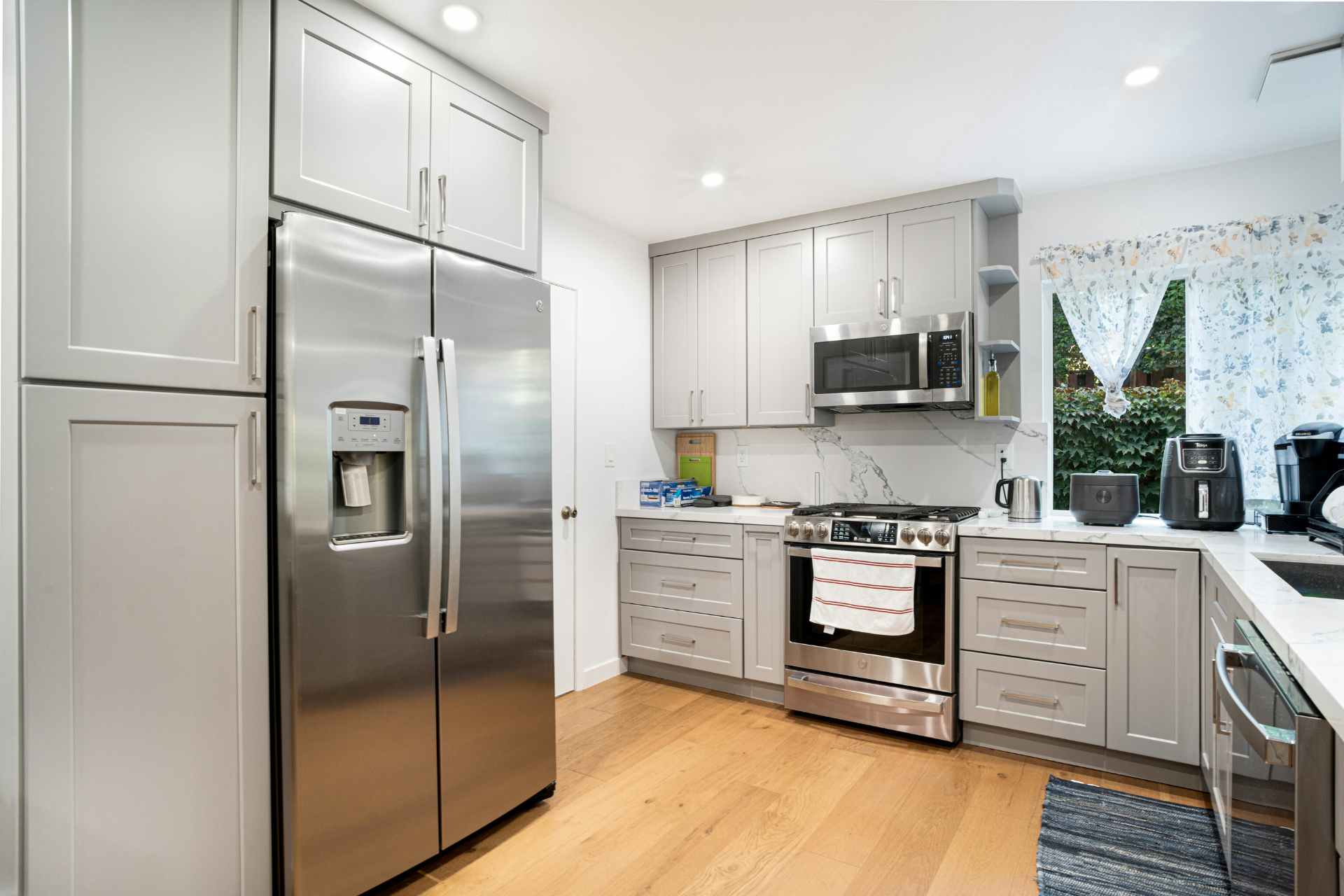
The Home Efficiency Appliance Rebate program, known as HEAR, helps income-qualified households pay for eligible appliances and equipment. Covered work may include heating and cooling equipment, water heaters, cooking appliances, electrical upgrades, insulation, air sealing and ventilation.
The Office of Energy’s release says equipment replacements must use the same fuel type as the equipment being replaced.
Qualifying low-income households can receive eligible improvements with no out-of-pocket cost, within program limits. Moderate-income households may qualify for rebates covering part of the cost.
Some assistance may be available to households above the moderate-income range, depending on the project and its projected energy savings, according to the governor’s office. HEAR is limited to income-qualified households.

There is no single rebate amount for every household. The program, household income and proposed work determine what assistance is available.
Residents can use the Office of Energy’s eligibility tools and program details to check their income category. The office’s Home Energy Rebate Programs webpage also provides application access and information about qualifying improvements.
The statewide expansion follows a pilot phase previously covered by My Buckhannon that drew applications from more than 300 homeowners.
During the pilot, the Office of Energy and its regional partners tested applications, home assessments, contractor coordination and customer support.
“Bringing both programs statewide required careful testing, strong regional partnerships, and intentional investment in West Virginia’s contractor workforce,” West Virginia Department of Commerce Deputy Secretary and Office of Energy Director Nicholas Preservati said in the agency’s release. “That preparation gives us a stronger foundation for serving residents while creating opportunities for qualified local professionals.”

The savings can be substantial. Judy Fry, the first West Virginia homeowner to get upgrades through the program, saw her first electric bill after the work drop by 33.5%, a savings of $102 in one month.
“That’s real money that stays in a family’s pocket and can go toward groceries, gas, prescriptions, or whatever else that family needs,” Governor Patrick Morrisey said in a release from his office.
The governor’s office reported Fry’s results in its September 28 release and projects that the programs will help about 10,000 homes. It estimates participating households will save a combined $3 million to $4.5 million annually.
The work is also expected to create jobs. About 350 contractors will be needed to carry out the upgrades, and nearly $1.9 million of the program funding is set aside for workforce development, including $1.6 million to train residential energy contractors.
The Office of Energy reports more than 115 participants active in its contractor training program. Offered with Everblue, the program provides paid training and credentials for contractors and people interested in entering the energy-efficiency field.