Help Wanted
The Upshur County Commission is hiring a full-time caretaker for the county's Youth Camp in Selbyville — a live-in job that comes with a rent-free residence and utilities on the property. Applications are accepted until the position is filled. Read more →
This story brought to you paywall-free, courtesy of the My Buckhannon team and our community partners
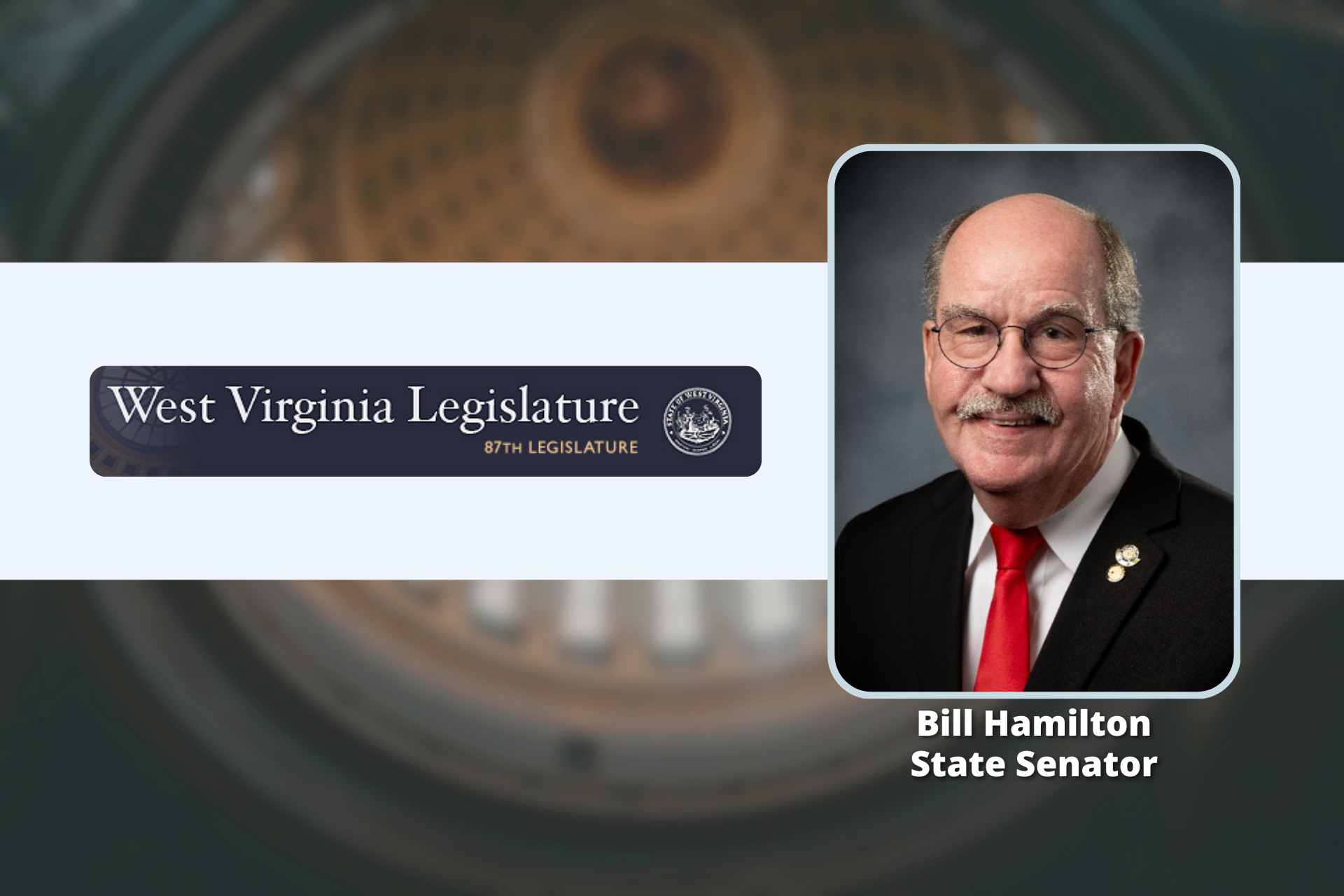
State Sen. Bill Hamilton has come out against the proposed Valley North transmission line. He joins Upshur County’s other state senator, Robbie Morris, in publicly opposing the project.
“I oppose the Valley North project,” Hamilton said in a statement.
The state senator said he reached the decision after attending a public input session in Tucker County, speaking with farmers and residents who live near the proposed route, and hearing from citizens in Barbour, Braxton, Randolph, Upshur and other counties both in person and by email. He said he also met with lobbyists for the companies behind the line and with legislators from neighboring states.
“I’ve heard concerns about the environment, human and animal health, and reduced property values,” Hamilton said.
His opposition follows that of Morris, who announced his own opposition earlier this month, and of the Upshur County Commission, which officially voted to oppose the line on July 16 after residents packed an earlier meeting to speak against it.

Hamilton echoed a central objection raised at that meeting: that the line would carry no power for the people paying for it.
“As many of you already know, the Valley Link Transmission Line will not currently provide power to West Virginians,” he said. “It’s designed to move power to other states, yet we’re being asked to shoulder part of the cost. There is talk of future substations to support West Virginia’s grid needs, but right now only one — located in Hardy County — is included in the proposal.”
He also moved to clear up what he called a misconception, saying House Bill 2014 is not connected to the project.
“That bill required data centers to generate their own power,” Hamilton said.
Much of his statement centered on land. West Virginia farms tend to be small, he noted, unlike the 1,000-acre spreads found in other states, and many in the state run 200 acres or less.

“Everyone’s property is valuable to the owners, whether it’s ½ acre or many acres,” Hamilton said. “Running a high-tension line straight through the middle of a small farm can seriously impact productivity, reduce land value, and eliminate potential building sites. This is a real and significant concern for our farmers and property owners.”
Hamilton said he speaks from experience.
“As someone who purchased property with several smaller lines running through it, I understand the plight of landowners,” he said. “I definitely do not want another one on my property and would not expect others to give up their land for these large transmission lines.”
Valley North is a joint venture of Transource, Dominion Energy and FirstEnergy Transmission operating under the name Valley Link. The company says the line would run about 260 miles from Putnam County, West Virginia, to Frederick County, Maryland, at 765 kilovolts — one of the highest transmission voltages in use in the country. Valley Link says the region’s electricity demand is expected to double over the next decade and that the line would deliver more reliable, affordable power while creating hundreds of local construction jobs.
Residents who spoke at the July 9 commission meeting described the project very differently. They said the line exists to move power east to feed data centers in Northern Virginia, that it would consume more than 6,300 acres of private West Virginia land through eminent domain, and that its cost would land on West Virginia ratepayers in the form of higher electric bills.

Hamilton urged residents who want to weigh in to submit comments through Valley Link’s comment card and to review the Valley North project website.
He also laid out where the decision ultimately rests. Once the public meetings are finished, Hamilton said, Valley Link will file with the state Public Service Commission, whose commissioners will decide whether the project moves forward. That filing will trigger public hearings, he said — another chance for residents to speak directly to the decision makers.
“In the meantime, keep talking with your governor, legislators, neighbors, and community members,” Hamilton said. “The more informed we all are, the stronger our voice will be when this reaches the PSC.”
He also noted that the state’s elected officials serving in the legislature will not get an up-or-down vote on the proposal.
“Although we can voice our opinions,” Hamilton said, “the West Virginia legislature (Senate and House of Delegates members) will not be entitled to vote yea or nay on the proposed transmission lines.”