Community Bulletin
Foot and ankle pain no longer means a long drive. Vandalia Health Foot & Ankle now treats patients in four central West Virginia towns — Buckhannon, Cowen, Elkins and Philippi — part of the network long known as Davis Health System. Read more →
This story brought to you paywall-free, courtesy of the My Buckhannon team and our community partners
The West Virginia First Foundation (WVFF), a private nonprofit stewarding opioid settlement resources for the state, is announcing a series of strategic partnerships with higher education institutions to strengthen data systems, accelerate prevention and recovery research and elevate community-based solutions to substance use disorder, according to a press release from the foundation.
The foundation said it has placed evidence and accountability at the center of its mission from the outset. To reinforce that approach, WVFF is working with universities and research institutions that bring expertise in data-driven evaluation, public health analytics, workforce capacity building and applied research.
Marshall University serves as a core partner in the Appalachian Continuum of Care for Overdose Reduction Network (ACCORN). In December 2024, WVFF made its first major Direct Funding commitment, dedicating $20 million in contingent support to ACCORN, an outcomes-based initiative aimed at reducing overdose deaths across the state. The commitment strengthened ACCORN’s application to the federal ARPA-H HEROES program. Although that federal programming is currently under review, WVFF said its commitment to reducing overdose deaths remains unchanged.
WVFF has selected a West Virginia University team, led by the Health Affairs Institute in partnership with the Institute for Policy Research and Public Affairs and Data Driven WV, to conduct a comprehensive statewide needs assessment. The $1.5 million investment will support an 18-month initiative designed to guide the strategic allocation of opioid settlement funds. Project partners have named the initiative West Virginia Wayfinder.
The Johns Hopkins Bloomberg School of Public Health has served as a trusted academic resource, with the foundation using Johns Hopkins’ guiding principles to help shape its own framework for responsible stewardship. That partnership was provided at no cost to the foundation.
The University of Notre Dame, through its Lab for Economic Opportunities, provided data-driven evaluation for WVFF’s Momentum Initiative Grant cycle, delivering objective scoring for submitted applications. That partnership was also provided at no cost.
WVFF has also provided grant support to several West Virginia higher education institutions through its Initial Opportunity Grant and Momentum Initiative Grant cycles. Those investments support prevention programming, recovery workforce development, capacity building, youth reintegration and applied research.
Awardees include Marshall University Research Corporation ($125,000 for prevention through community outreach and youth empowerment and $250,000 for behavioral health workforce development), West Liberty University ($249,397 for its Hilltopper Pathways out-of-school reentry program), WVU Parkersburg ($39,925 for a Farm to School program focused on youth engagement and prevention), West Virginia Wesleyan College ($947,916 for a CASA capacity building initiative and $246,125 for addiction counseling workforce development scholarships) and the West Virginia School of Osteopathic Medicine ($158,078 for a program facilitating sustainable recovery through workforce development).
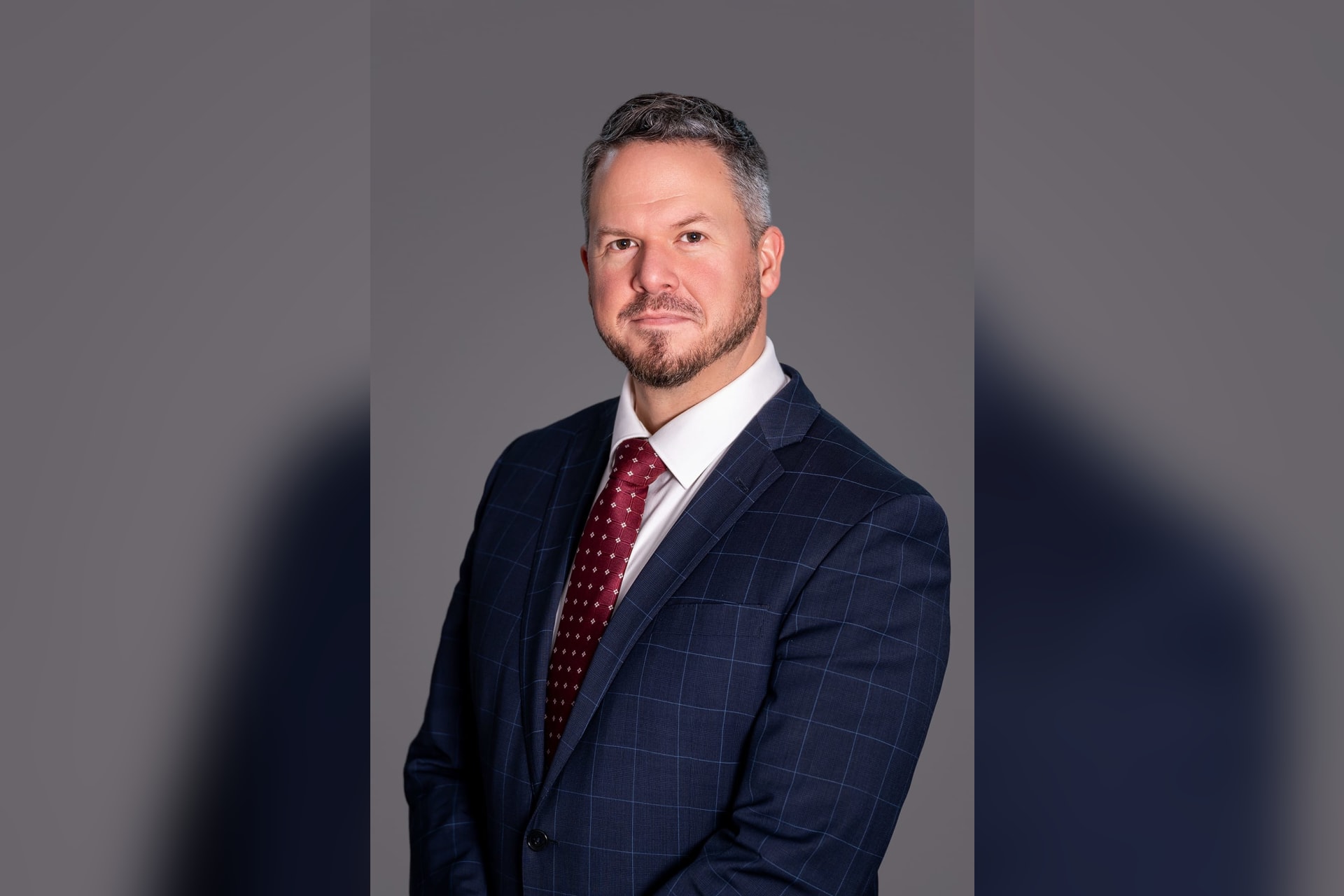
WVFF Executive Director Jonathan Board emphasized the importance of the collaborations.
“West Virginia’s universities and research institutions are critical partners in advancing prevention, treatment, and recovery for our state,” Board said. “Their expertise strengthens our grantmaking, informs smarter investments, and accelerates measurable results for West Virginians. By aligning research, data, and community action, we are building solutions that can endure for generations.”

Governor Patrick Morrisey said the partnerships demonstrate how opioid settlement funds should be used.
“These partnerships show how opioid settlement funds should be used, with accountability, transparency, and a clear focus on results,” Morrisey said. “What makes this effort especially important is that West Virginia’s own institutions, including Marshall University, West Virginia University, West Liberty University, West Virginia Wesleyan College, and West Virginia School of Osteopathic Medicine are leading the way. They understand our communities, see the challenges up close, and are delivering real solutions.”
West Virginia Attorney General JB McCuskey said the work represents the next phase of the state’s response to the opioid crisis.
“As we continue to hold major corporations accountable for their role in creating the opioid crisis, we now are moving into the next phase — ensuring our landmark settlement dollars serve all West Virginians affected by addiction,” McCuskey said. “This is a fantastic collaboration with our universities and research institutions that will result in real outcomes and help to move the state forward.”