Help Wanted
The Upshur County Commission is hiring a full-time caretaker for the county's Youth Camp in Selbyville — a live-in job that comes with a rent-free residence and utilities on the property. Applications are accepted until the position is filled. Read more →
This story brought to you paywall-free, courtesy of the My Buckhannon team and our community partners
MORGANTOWN, W.Va. – While showering before work one morning, Tori Hawkins Miller, then 22, felt a hard lump in her breast. She seemed healthy, had no family history of cancer, just began her career as a nurse and was planning her wedding.
She underwent an ultrasound at the WVU Cancer Institute, which in combination with additional testing, led to a diagnosis of triple-positive invasive ductal carcinoma breast cancer.
Only four percent of women diagnosed with breast cancer are under the age of 40, and young patients face age-specific challenges that force them to balance life-saving care with long-term personal goals like careers, weddings and fertility.
Just a day after her diagnosis, Miller met with her oncology team, which included Hannah Hazard-Jenkins, M.D., a breast care surgeon who also serves as executive chair and director of the WVU Cancer Institute.
“There’s a lot that goes into an evaluation in somebody that young. Usually, women that age want to have children and maybe haven’t or have only started their family,” Hazard-Jenkins said. “You have to be thoughtful about how all those pieces of the puzzle go together in a way that is most beneficial for the patient in front of you.”
Miller discovered navigating cancer as a young adult felt isolating. She recalled being “the youngest one there” during her mammogram, and she longed to find stories like hers for hope.
“For women like Tori and others, I have one or two women who were young with young families that are very happy to be a point of contact,” Hazard-Jenkins said.
After chemotherapy, the next phase of Miller’s care required a mastectomy followed by reconstruction.
While the cost of advanced surgical procedures can be an added worry, the federal Women’s Health and Cancer Rights Act requires health plans and insurers that cover mastectomies to cover breast reconstruction.
Miller focused on her personal surgical goals when she met with Majed Maalouf, M.D., WVU Medicine plastic and reconstructive surgeon.

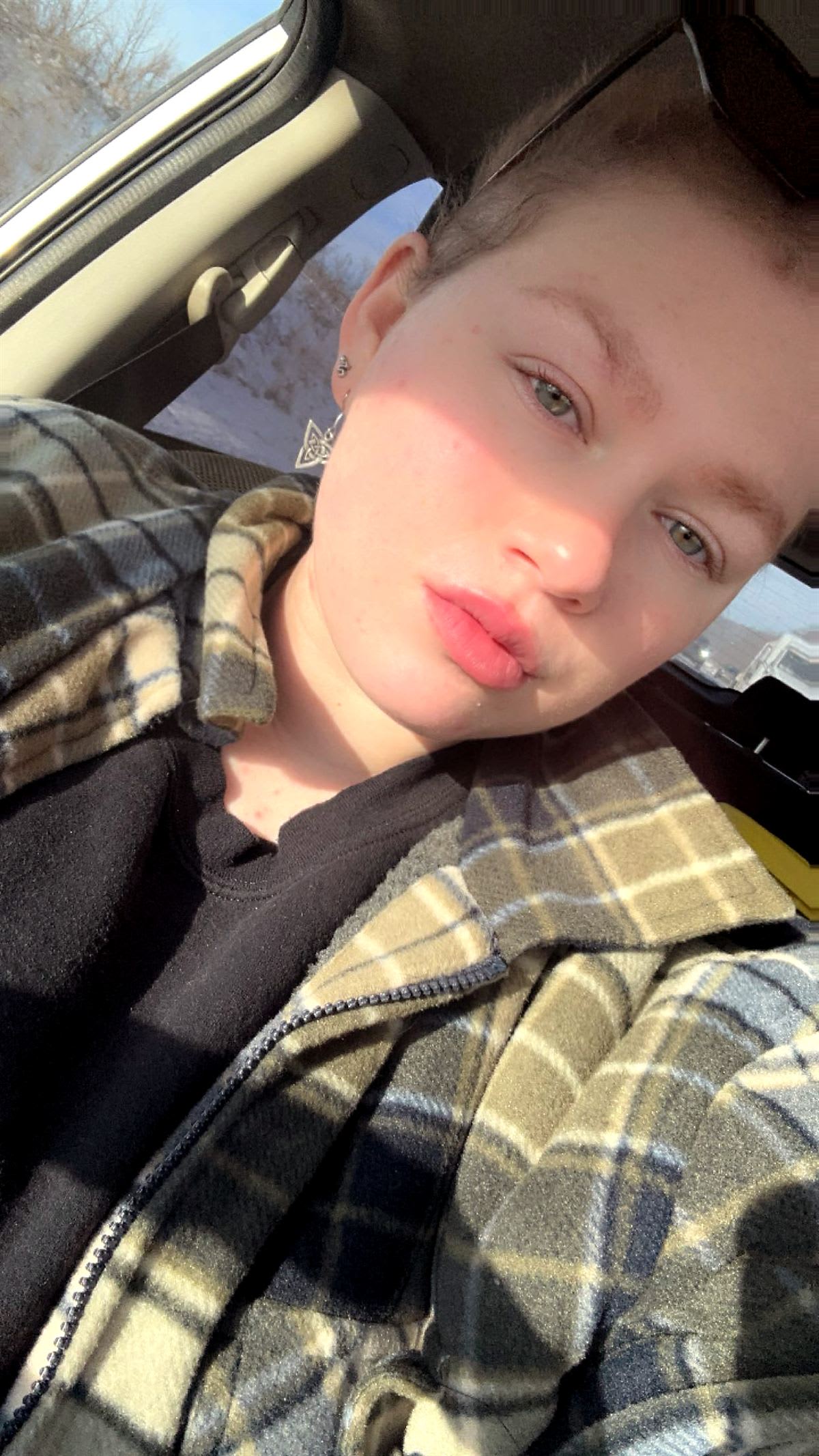
“I didn’t want plastic or implants,” Miller said. “I wanted to be as natural as possible after going through cancer.” She also chose to keep her unaffected breast natural to preserve her ability to breastfeed future children.
“We try to offer the most appropriate option for each patient, developing a plan where the plastic surgeon and the patient are on the same page, so we are keeping as close as possible to the patient’s expectations,” Michelle Sabatini-Gump, A.P.R.N., C.N.P., plastic and reconstructive surgery advanced practice provider, said.
Because of her age and overall health, Miller was an ideal candidate to use her own tissue. Maalouf said the timing of chemotherapy and radiation determines whether patients can have reconstruction immediately after a mastectomy or if they must wait.
“Cancer treatment comes first,” Maalouf said. “Our job comes second as reconstruction.”
Miller was able to have both procedures at once. In a single surgery, Hazard-Jenkins performed the mastectomy and Maalouf’s team used fat and tissue from Miller’s lower abdomen to create a natural breast.
Once she healed, Miller completed radiation therapy, followed one year later by a left breast reduction to create symmetry with her reconstructed breast.
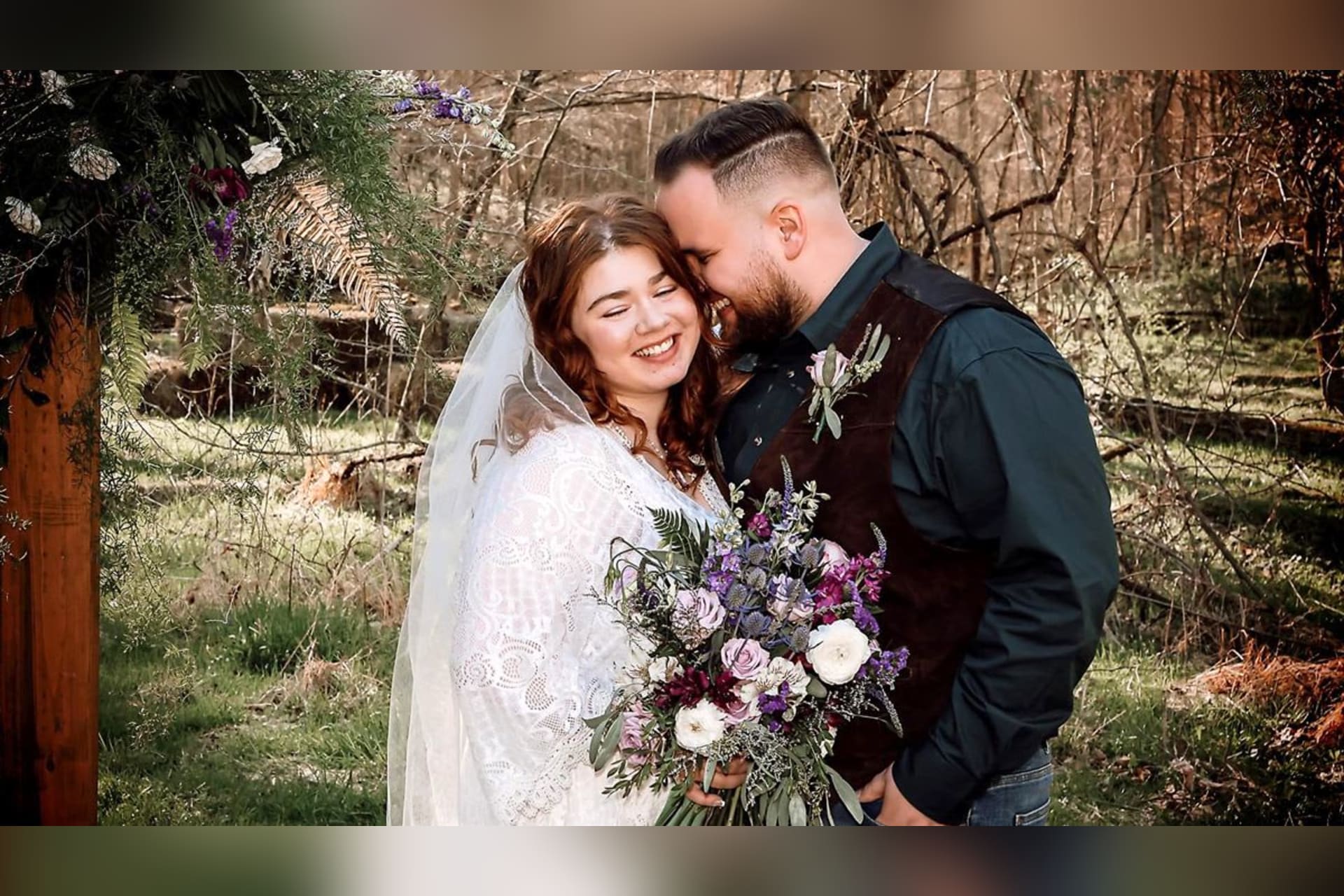
Today, Miller, now 25, has no evidence of disease. She got married after starting chemotherapy and maintained an active lifestyle, all of which was made easier by the coordinated management of her care.
“The care that I got at WVU Medicine was great,” Miller said. “They had everything set up so I didn’t really have to worry about what my next step was. I just had to worry about myself and where I was going with my cancer journey.”
Her resilience throughout her journey left a lasting impression on her medical team.
“The whole clinic lights up with her joy and her light, and she always has an excellent attitude,” Maalouf said. “For healthcare providers, it gives us hope.”

Miller hopes her story empowers women and patients to trust their own instincts and advocate for themselves.
“We’re always told don’t push, don’t be annoying. I think that’s something that’s just so driven in women as well as patients – you don’t want to bother the doctor. I say bother the doctor, and I’m really glad that I did,” Miller said.
“Educate yourself, talk to people who have gone through it, and don’t let it drag you down. I didn’t let it pause my life because you don’t know how long you have life for.”
Hear Miller share her full story of resilience and hope in this video.
For more information on the WVU Cancer Institute, visit WVUMedicine.com/Cancer.