After watching his brother, Randy Bookshar, go through successful treatment and surgery for prostate cancer at the WVU Cancer Institute, Barry Bookshar, 75, of Brownsville, Pennsylvania, decided to get screened for prostate cancer. He had no symptoms but figured it would be beneficial to at least get his prostate-specific antigen (PSA) checked.
He was glad he did.
“My PSA started going up and then bouncing everywhere – high and low,” Barry explained. “Then it went high, and my doctor told me I had cancer.”
High levels of PSA in the blood indicate an enlarged or diseased prostate — a small male reproductive gland that sits below the bladder — and could be a sign of cancer. Prostate cancer is one of the most common types of cancer in men and can range from slow-growing tumors to fast-growing, aggressive disease. Its treatment depends on the severity of the disease and can include periodic monitoring, surgery, chemotherapy, radiation, or a combination of treatments.

The WVU Cancer Institute offers a comprehensive approach to care by bringing together board-certified, multidisciplinary experts dedicated to using the latest technologies, therapies, and surgical procedures. The Urologic Oncology team includes surgeons, urology specialists, medical oncologists and other medical professionals with urologic cancer experience. The WVU Cancer Institute’s prostate cancer surgery program is nationally recognized as high-performing by U.S. News & World Report.
While Randy’s and Barry’s journeys both led them to the WVU Cancer Institute for treatment, the Bookshar family’s experience with prostate cancer began long before either was diagnosed.
Family history is one of three well-established risk factors for developing prostate cancer; age and race are the other two. The chances of developing prostate cancer increase with age, so screening is recommended for men starting at age 45, or sooner for those with additional risk factors. Black men have a greater chance of developing prostate cancer than men of other ethnicities.
Genetics played a major role in the Bookshar brothers’ diagnoses. Their father and two older brothers had prostate cancer, which prompted Randy, 71, of Merrittstown, Pennsylvania, to begin following up with his primary care physician each year for regular PSA screenings.

Randy eventually began having trouble emptying his bladder. After tests revealed elevated PSA readings and positive biopsy results, he was diagnosed with slow-growing prostate cancer.
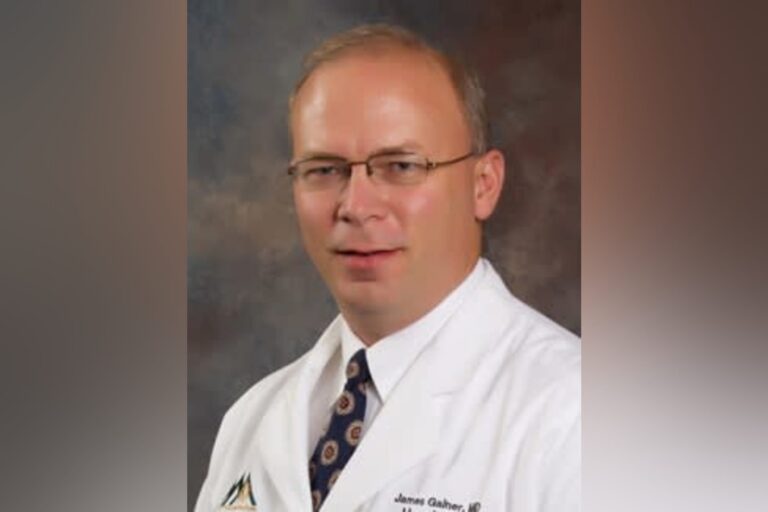
Ali Hajiran, M.D., chief of Urologic Oncology and director of Robotic Surgery at the WVU Cancer Institute, presented Randy with several options for treatment of his cancer, including observation, radiation or surgery. Randy ultimately chose to have surgery.
Hajiran explained that prostate surgery is minimally invasive and performed robotically. Depending on the anatomy of the patient and the presentation of the cancer, either one or only a few small incisions are needed.
“This is where the robot really shines because it’s technically challenging to operate deep in the pelvis, a bony structure, to reach a small organ with your hands,” Hajiran said. “Since we’ve adapted this operation to the robot, where we can reach very small, tiny places, we can decrease the blood loss to essentially nothing. And patients just do a lot better in their functional outcomes, and they get back to their normal life a lot faster.”

“I went in on a Friday, had the surgery, and they released me on Saturday,” Randy said. “I can’t say anything bad about the services that they provide. They’re the best. If they could get triple A’s or, you know, quadruple A’s, I’m all for it.”
Because of Randy’s experience with Hajiran and the WVU Cancer Institute, Barry’s decision to choose the same doctor for his care was easy.
“I already knew what Randy went through,” Barry said. “He told me what I had to do and what to expect.”
Several years later, both brothers are cancer-free and continue with regular appointments for PSA tests. They both stress the importance of regular screening for prostate cancer, especially for anyone with a family history of the disease.

“Prostate cancer was running in our family,” Randy said. “Our dad had it. My two older brothers had it. I had it. My doctor said, ‘Whatever you do, have your nephews checked.’ And so, I passed that message along.”
“It just emphasizes the importance of family history,” Hajiran said. “Randy got checked and treated. Barry had a much more aggressive type of prostate cancer. If he hadn’t gone to get checked after Randy did, the outcome might not have been as good for him. However, Barry was treated and is still disease-free a few years after surgery.”
For more information on the WVU Cancer Institute, visit WVUMedicine.org/Cancer.