Community Bulletin
Foot and ankle pain no longer means a long drive. Vandalia Health Foot & Ankle now treats patients in four central West Virginia towns — Buckhannon, Cowen, Elkins and Philippi — part of the network long known as Davis Health System. Read more →
This story brought to you paywall-free, courtesy of the My Buckhannon team and our community partners
Federal disaster money is already landing in local bank accounts, but it only reaches flood survivors who apply — and the window to register closes in early October.
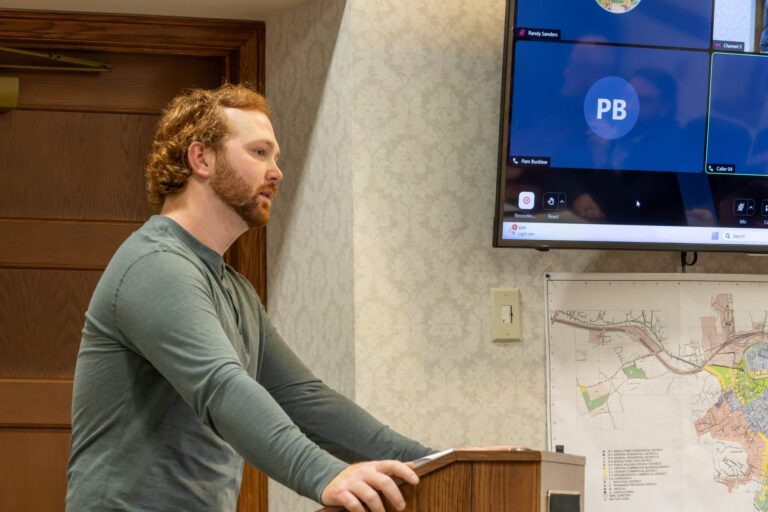
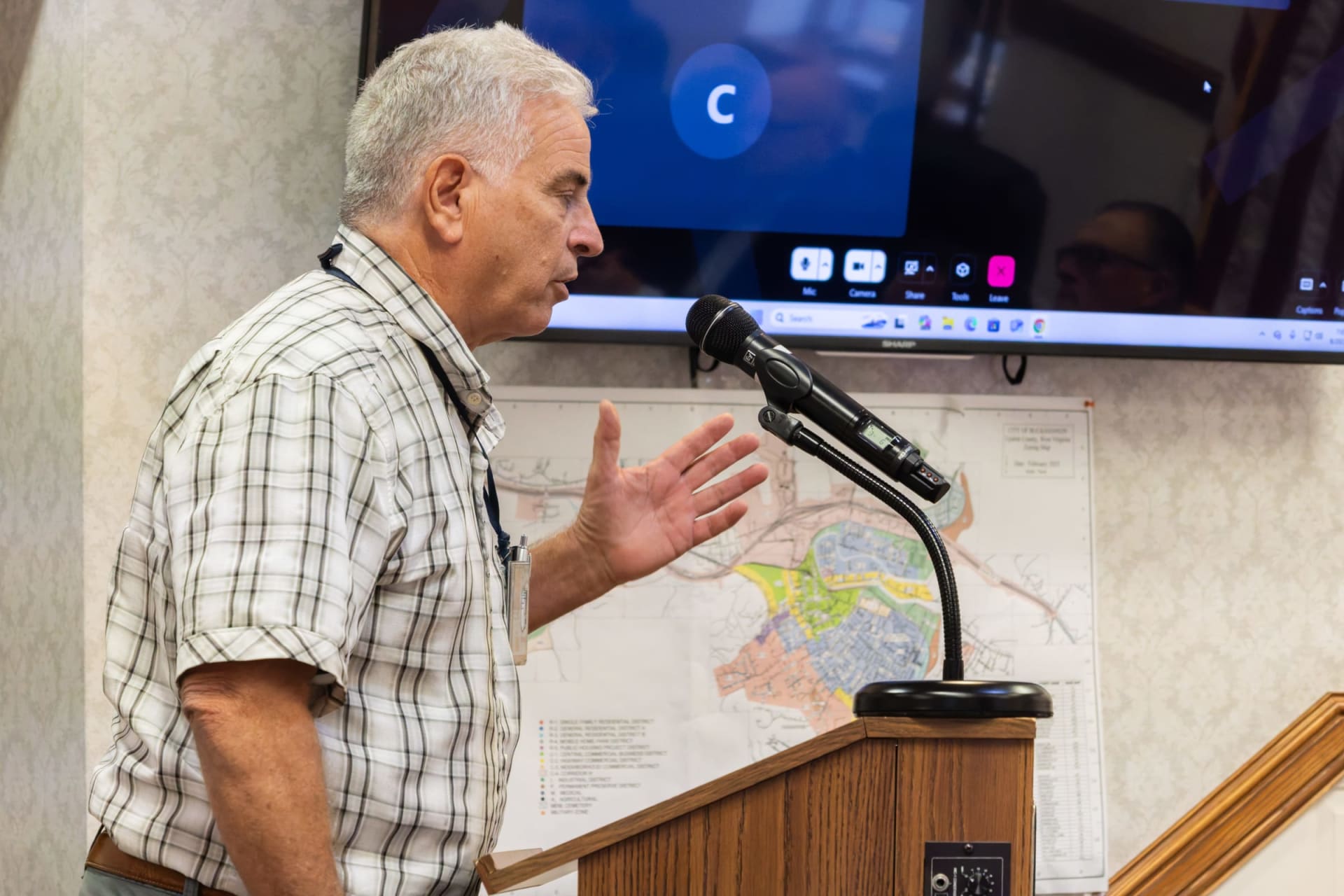
That was the message running through last Thursday’s Buckhannon City Council meeting, where a FEMA representative walked council through the agency’s assistance programs and city leaders urged anyone affected by the July 21 flood to speak to the agency before deciding whether federal help is for them.
Manuel Portela, an intergovernmental affairs specialist with FEMA, told council the agency’s individual assistance program has been active since President Donald Trump approved a major disaster declaration for Upshur and Lewis counties earlier in August. FEMA is in West Virginia at the state’s invitation, he said, supporting the local recovery efforts.
“FEMA was invited here by the state,” Portela said. “We are just supporting the state with the recovery efforts.”
The process starts with a phone call or a visit: survivors should file with their insurance company, if they have one, and register with FEMA. An inspector then visits the home to document damage, and eligible households receive money directly.

“The assistance could be for repair or replacement of your home, rental assistance, or for other needs,” Portela said. “The rental assistance, which is important, is for those individuals who are displaced. They can get assistance wherever they’re staying.”
FEMA pays displaced survivors two months of rental money up front, Portela said. After that, the program becomes a reimbursement process, so survivors must submit receipts. He encouraged displaced residents staying with relatives to find a formal place to rent — family members will not be writing receipts, he noted, and without them the assistance cannot continue.
Survivors can register by calling FEMA at 1-800-621-3362, applying online at DisasterAssistance.gov or visiting the disaster recovery center on the second floor of the Upshur County Development Authority Building, 21 E. Main Street in Buckhannon. City recorder Randy Sanders noted the center is open 7 a.m. to 6 p.m. Monday through Saturday.
FEMA staff at the center can help residents register, review documentation and explain which benefits may be available, according to a press release from local officials.
The release said FEMA may call from an out-of-state area code after an application is filed to schedule an inspection. The agency will attempt to call three times. If it cannot reach the applicant, the application may receive an initial denial, but that decision can be appealed.

The release warned that FEMA will never ask applicants for money, banking details or credit card information over the phone. Residents should read all FEMA correspondence carefully. Those approved for assistance may accept or decline the award.
FEMA assistance is provided as grants, not loans. Small Business Administration specialists are also available at the recovery center to discuss low-interest disaster loans. FEMA and the SBA are separate agencies offering different forms of assistance.
Portela said the agency will remain in town as long as needed.
“If we have survivors coming in, we are still going to be there,” Portela said.
A second FEMA program — public assistance, which covers damage to government infrastructure — is still awaiting presidential approval, Portela said, though the governor has signed off on the request.

The strongest pitch for applying for aid came during council comments at the end of the night.
“There are misconceptions out there. Oh, I don’t want to deal with FEMA. I don’t want to have to go by these regulations and so on,” Sanders said.
He urged residents to visit the recovery center, meet with representatives, complete a case and read the terms before making up their minds.
“If you decide you don’t want to participate, that’s your decision to make,” Sanders said. “But you may lose out on some significant funding, significant help.”
Sanders said a report he read put FEMA’s average payout to applicants at more than $11,000 per person or family — a number he expected had already grown.

He also pushed back on the idea that turning down help leaves more for harder-hit neighbors. National FEMA representatives who met with local officials told them, “Look, we’ve been instructed to disseminate money. That’s what we’re here for,” Sanders said.
The money comes directly from the U.S. government.
“They’re not going to run out of money,” he said.
Mayor Robbie Skinner said he has confirmed with First Community Bank, Citizens Bank and People’s Bank that FEMA payments are flowing.
“Checks are already hitting bank accounts,” Skinner said. “There isn’t a lot of red tape with this. You apply, you qualify, you receive it. It’s just that simple.”