Community Bulletin
A run of power outages across central West Virginia in recent months has homeowners weighing backup options. Crites Electric, a Buckhannon Generac dealer of more than 45 years, installs automatic standby generators that restore power within seconds — no cords, no switches. Read more →
This story brought to you paywall-free, courtesy of the My Buckhannon team and our community partners
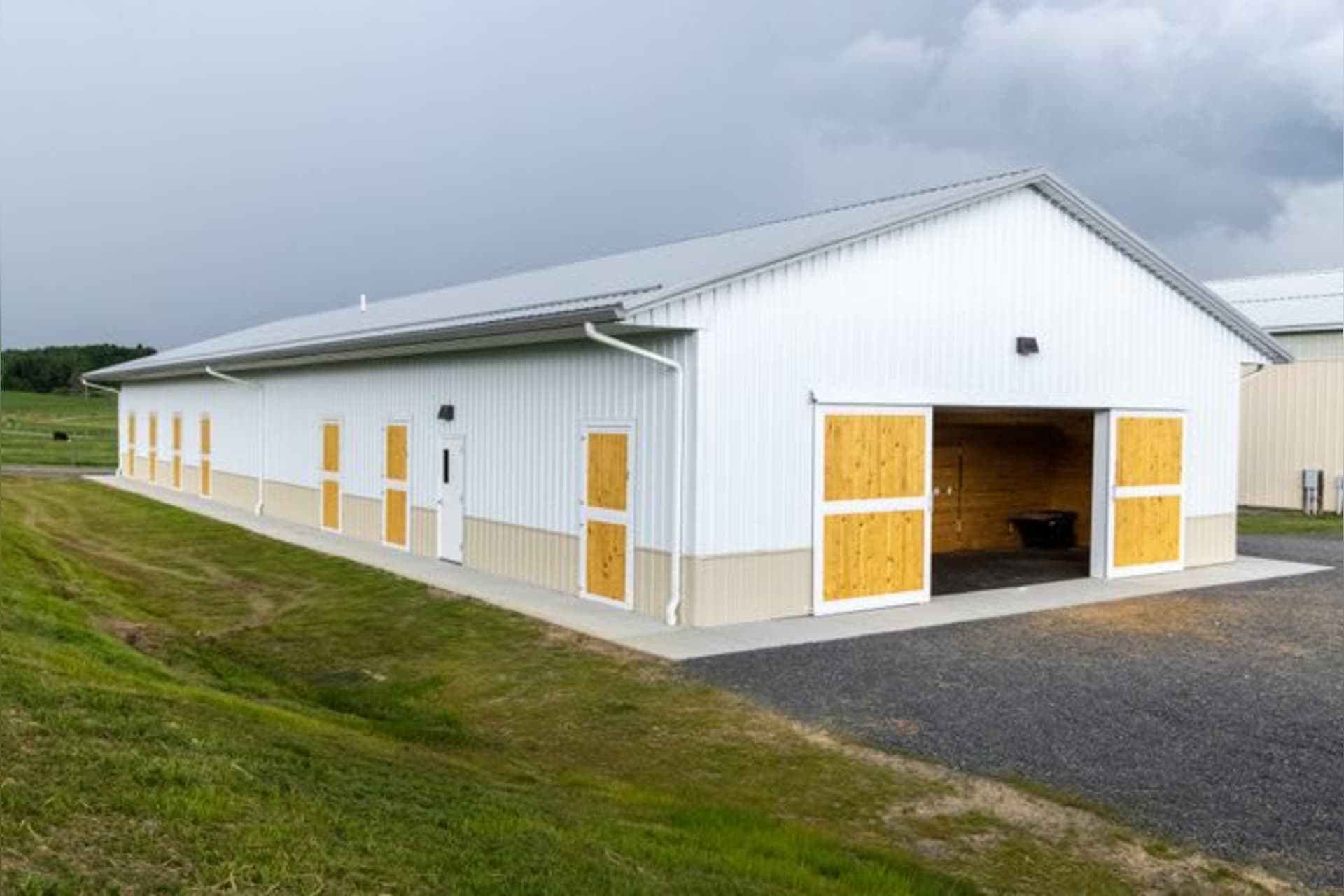
After a devastating equipment fire destroyed the horse barn at the West Virginia University J.W. Ruby Research Farm, a new and improved structure now stands in its place.
Far more than a replacement, the beautiful new horse barn that sits on the 1,000-acre farm is now a welcoming home for the horses and a dynamic classroom for students.
The newly constructed 10-stall horse barn, storage building and multi-use lot are just part of the equine studies program’s home at the WVU J.W. Ruby Research Farm. The complex also includes a previously constructed educational center with a 48-seat classroom, laboratory, office and living space for students, a multi-purpose building with 48 portable stalls for horse shows, spacious indoor and outdoor riding arenas and camper hookups.
Crystal Smith, teaching professor for the WVU Davis College of Agriculture and Natural Resources’ equine studies program, led the rebuild effort. Smith has envisioned a facility like this since joining WVU in 2011. Her ability to build relationships and secure private donations from generous supporters over the years has transformed the J.W. Ruby Research Farm into the innovative teaching, research and outreach center it is today.
Following the fire, students, alumni, parents and the community rallied around the rebuild effort. Students helped transport supplies needed to temporarily house the horses, while supporters contributed through Day of Giving and other fundraising campaigns. The WVU Collegiate Horsemen’s Association also raised money during its summer horse shows, helping purchase supplies for the new barn. Additional private donations, grants, in-kind support and pro bono services from local businesses helped stretch insurance funds and ultimately allowed the program to build back better.
Even before the rebuild, students found classes on the farm were some of the best spaces to learn, and their excitement has not gone unnoticed by Smith.
“Doing a design-build project gave me the opportunity to involve students in the process,” Smith said. “Working directly with horses and learning to manage facilities is so important to our students’ success during college and in their careers. We talked about the design of the barn in class and did exercises with our working students on how classes and daily labor interfaces to make sure we were making good decisions throughout the construction process.”
Throughout the design-build, Smith focused on two goals: creating a safe, comfortable and efficient space for the horses and exposing students to the tools and practices found across the equine industry. The result is a facility that combines modern amenities with practical learning opportunities.
One of the barn’s innovative features is its red-light solariums that are thought to help reduce inflammation and aid in muscle recovery. Smith plans to include the technology in future coursework, giving students opportunities to learn about adjunctive therapies and track the effectiveness of treatment or rehabilitation plans for a horse over the course of a semester.
Beyond the major upgrades, several thoughtful additions help make the barn more comfortable for the horses and more efficient for daily use. A double wash rack is situated in the middle of the barn across from a large tack room, creating an efficient hub for daily operations. The barn also includes a heated feed room, laundry room and bathroom.

Grooming stalls at the rear of the barn provide dedicated space for veterinarians and farriers to work easily out of their vehicles. Each stall has a cushioned mattress system, sliding doors with French yokes that allow the horses to look into the aisle and Dutch-style exterior doors that provide natural light and ventilation. Heated automatic waterers in each stall also ensure horses have reliable access to fresh water throughout the winter months.
“We incorporated features that improve daily life for both the horses and our students while also serving as valuable teaching tools,” Smith said. “No builder’s regret, we love it.”
The excitement surrounding the project was on full display during the Horses and Happy Hour event. WVU President Michael T. Benson joined faculty, staff, students and community members at the WVU Ruby Research Farm to celebrate the barn’s completion. The event provided Smith and her students an opportunity to showcase the new facility and demonstrate how it will support equine education, research and outreach for years to come.