MORGANTOWN, W.Va. – According to the American Association for Cancer Research (AACR), four out of 10 cancer cases in the U.S. are associated with preventable risk factors. The WVU Cancer Institute is joining the AACR to encourage everyone to do their part to reduce their cancer risk.
The most common cancers in West Virginia – lung, breast, cervical, and colorectal – can all be caught and treated early through routine screening tests. Yet, West Virginians continue to die from these cancers at rates that are often higher than the national average.
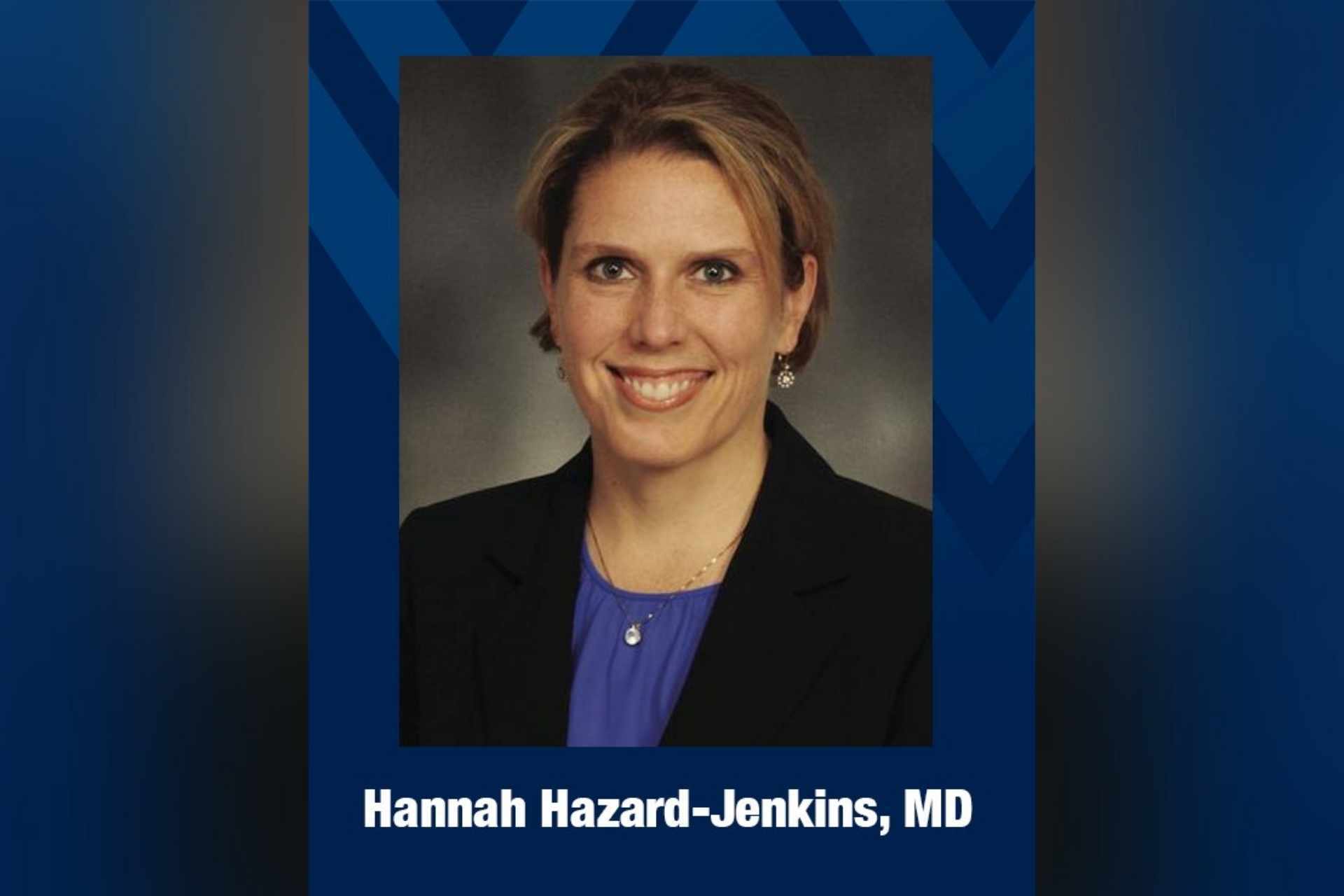
“In a state like West Virginia, where many people are unable to get cancer screenings and access to prevention without significant travel, we bring resources closer to home,” Hannah Hazard-Jenkins, M.D., director of the WVU Cancer Institute, said. “Whether we accomplish this through a mobile screening unit – like Bonnie’s Bus, our mobile mammography unit, or LUCAS, our lung cancer screening unit – individual education, community outreach, or helping rural health clinics implement improved screening protocols, the goal is the same: to prevent and control cancer throughout Appalachia.”
The AACR recommends seven steps to reduce a person’s risk of developing cancer:

- Eliminate tobacco use. – Not using tobacco is one of the most effective ways a person can prevent cancer from developing.
- Maintain a healthy weight, eat a healthy diet, and stay active. – Nearly 20 percent of U.S. cancer diagnoses are related to excess body weight, alcohol intake, poor diet, and physical inactivity.
- Limit alcohol consumption.
- Protect the skin from UV exposure. – Many cases of skin cancer could be prevented by protecting the skin from ultraviolet radiation from the sun and indoor tanning devices.
- Prevent and eliminate infection with cancer-causing pathogens, such as HPV and hepatitis. – Nearly all cases of cervical cancer, as well as many cases of head and neck and anal cancers, could be prevented by HPV vaccination, but more than 41 percent of U.S. adolescents have not yet received the recommended doses of the vaccine.
- Be cognizant of reproductive and hormonal influences, such as breastfeeding and hormone replacement therapies.
- Limit exposure to environmental carcinogens, including radon, arsenic, asbestos, lead, radiation, and benzene.
“Most importantly, I cannot overemphasize the importance of screening tests. Mammography for breast cancer, Pap smears for cervical cancer, colonoscopy or stool based tests for those at average risk of colorectal cancers, low-dose computed tomography (LDCT) to detect lung cancer in current and former smokers, and annual checks with a dermatologist to detect skin cancer can help us detect cancer in its earliest stages when it is most treatable,” Dr. Hazard-Jenkins said. “The earlier we can treat cancer, the better the chances of survivability are. Our goal is to help you have the tools necessary and the resources available to reduce the cancer burden and improve survival through early detection.”
For more information on the WVU Cancer Institute, visit WVUMedicine.org/Cancer.