Community Bulletin
Medicare open enrollment runs Oct. 15 to Dec. 7, and local independent insurance agent Jeff Barnhart is offering appointments to help residents review their 2027 coverage options. He reviews plans one-on-one to provide the best options for clients. Read more →
This story brought to you paywall-free, courtesy of the My Buckhannon team and our community partners
Lung cancer is the leading cause of cancer death in the United States, largely because it is often caught too late. While new immunotherapies offer hope, early diagnosis remains the most effective tool to increase survival rates.
To bridge this gap, WVU Medicine J.W. Ruby Memorial Hospital’s Pulmonary Medicine has opened a Lung Nodule Clinic designed to streamline care, accelerate evaluation and achieve earlier diagnoses that significantly improve patient outcomes.
Patients diagnosed with a lung nodule or lung mass often require a biopsy to determine if the growth is cancerous. However, under standard referral processes, patients often face long wait times to see a specialist, delaying both diagnosis and treatment.
Haroon Ahmed, M.D., a pulmonologist at Ruby Memorial Hospital, said the Lung Nodule Clinic opened specifically to eliminate this delay in treatment.
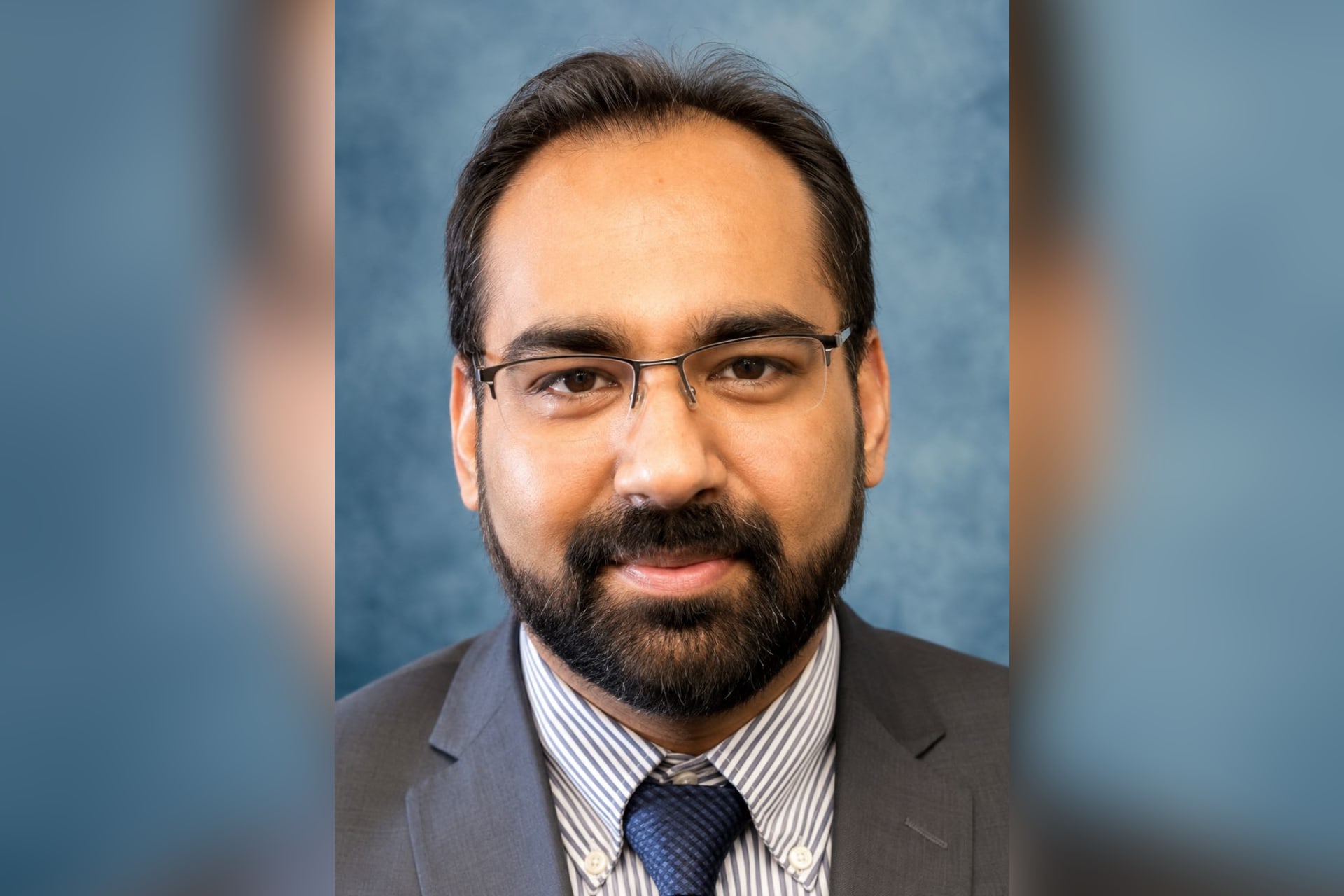
“If you wait three-or-four months, your stage 1 cancer might turn into stage 2 or 3, limiting your treatment options and worsening your prognosis,” Ahmed said. “We wanted to streamline all those things for patients to get the care they need as soon as possible. That was the big goal.”
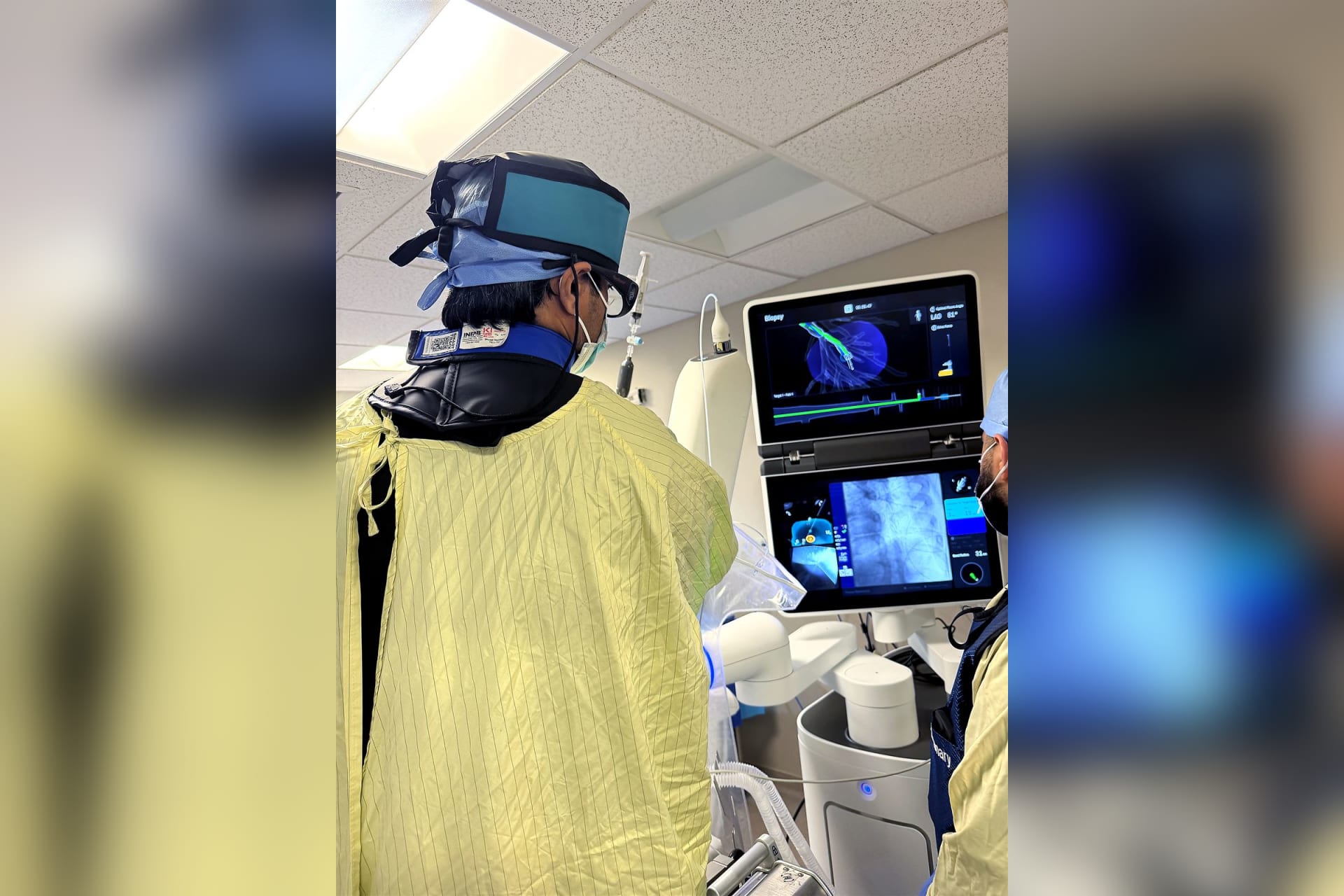
In keeping with the Clinic’s forward-thinking nature, robotic navigational bronchoscopy is used for most procedures. This advanced technology addresses the limitations of a traditional bronchoscope, which is typically restricted to the central one-third of the lungs.
Instead, the robotic system uses a CT scan to create a 3D map of the patient’s airway. Ultra-thin tubes with sensors are inserted through the patient’s mouth or nose and tracked in real-time by a computer, operating much like GPS navigation. Physicians then follow this computer-generated path directly to the suspicious nodule to obtain a biopsy.
“What this allows us to do is reach nodules that are smaller and further away from the center of the lung, and that allows us to diagnose or biopsy nodules at an earlier stage,” Ahmed said.
Robotic navigational bronchoscopy allows surgeons to sample lymph nodes in the central chest during the same biopsy procedure — another advantage that can speed up treatment options for patients.
The minimally invasive, same-day procedure also has a lower complication rate than other methods of biopsy and results in less pain and discomfort for the patient.

Combining 3D CT scanning with robotic navigational bronchoscopy is an advancement that has revolutionized lung cancer diagnosis. Not only does Ahmed believe it will improve diagnostic yield and accuracy, but it will also shorten procedure time and make it safer for the patient.
Overall, he’s hoping the Lung Nodule Clinic can help shift lung cancer diagnoses to early stages, since more than half of all cases are stage 3 or 4 when diagnosed.
“We want to have more people diagnosed at an earlier stage, where the treatment outcomes are much, much better,” Ahmed said. “For us, that’s the most important thing — that the patients we have diagnosed were at an earlier stage. That’s been really rewarding.”
The Lung Nodule Clinic, staffed by four board-certified pulmonologists, including Ahmed, sees patients via referral every Friday in the Pulmonary Clinic at Ruby Memorial.
In addition, the WVU Cancer Institute offers lung cancer screenings throughout the region via a self-referral option, as well as screenings on LUCAS, a mobile unit that travels to West Virginia communities.

For more information about Pulmonary Medicine, visit WVUMedicine.org/Pulmonary.