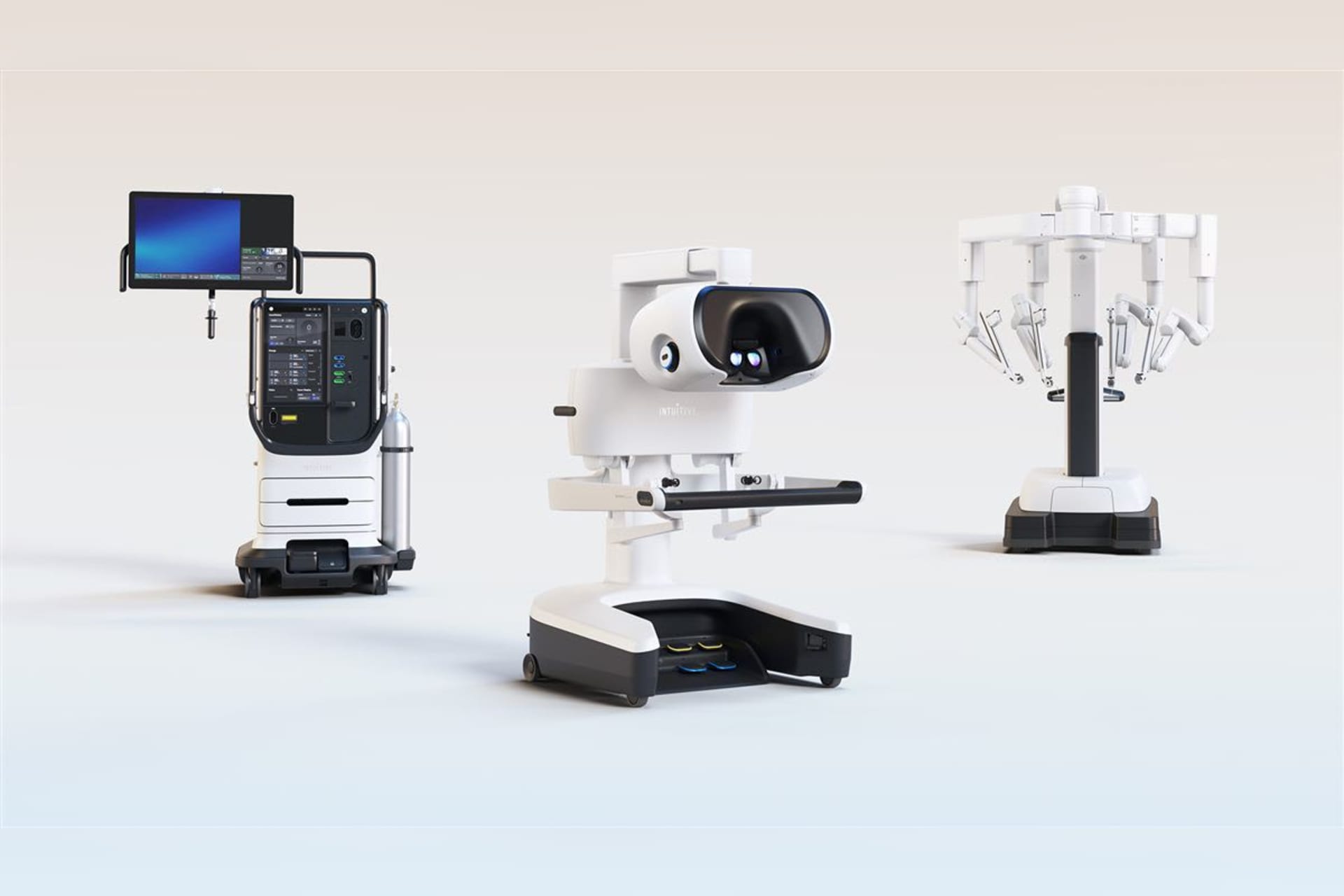
MORGANTOWN, W.Va. — With its recent acquisition of 17 additional Intuitive da Vinci 5 surgical systems, WVU Medicine is now home to the largest fleet of surgical robots in the region.
Da Vinci 5 is the newest entry to the da Vinci portfolio of systems, which also includes da Vinci X, da Vinci Xi and da Vinci SP. It is Intuitive’s most advanced and integrated platform, which is designed to transform minimally invasive surgery to enable better outcomes, efficiency and actionable insights.
With more than 150 new design innovations, da Vinci 5 expands upon core da Vinci system features, including improved visualization, the sense of feel and the ability to connect with peers through telepresence.
WVU Medicine now has a total of 35 da Vinci 5 surgical systems at:
- Berkeley Medical Center in Martinsburg
- Camden Clark Medical Center in Parkersburg
- Jefferson Medical Center in Ranson
- J.W. Ruby Memorial Hospital in Morgantown
- Princeton Community Hospital
- Reynolds Memorial Hospital in Glen Dale
- St. Joseph’s Hospital in Buckhannon
- Thomas Memorial Hospital in Charleston
- Uniontown Hospital in Pennsylvania
- United Hospital Center in Bridgeport
- Weirton Medical Center
- Wheeling Hospital
Four hospitals — Barnesville Hospital in Ohio, Garrett Regional Medical Center in Maryland, Jackson General Hospital and WVU Medicine Golisano Children’s Hospital — employ the da Vinci Xi system, and two hospitals — Ruby Memorial and United Hospital Center — have the da Vinci SP system for single-port surgery, bringing the total to 41 da Vinci robots across WVU Medicine.
WVU’s David and Jo Ann Shaw Center for Simulation Training and Education for Patient Safety at the Health Sciences Center in Morgantown is also home to a dedicated Xi robot, which is used to train Ruby Memorial surgical residents and surgeons from across the region.
With all da Vinci surgical systems, the surgeon is 100 percent in control of the robotic-assisted da Vinci system, which translates their hand movements into smaller, more precise movements of tiny instruments inside the patient’s body.
“Robotic surgical systems help our surgeons deliver precise, minimally invasive care while prioritizing patient safety and recovery, which helps our patients return to their daily lives sooner,” Kristy Ward, M.D., M.A.S., director of Gynecologic Oncology at the WVU Cancer Institute, chair of the Ruby Robotics Committee and the Health System’s robotic surgery physician champion, said.
“Expanding our robotic surgery capabilities allows us to bring highly specialized, minimally invasive care closer to home.”
At WVU Medicine, da Vinci robots are used for bariatric surgery; gynecologic, liver, lung, pancreatic and thoracic cancer surgery; colon and rectal surgery; general surgery (adult); cardiac and thoracic surgery; gynecologic surgery; otolaryngology surgery; pediatric general surgery; pediatric urological surgery; trauma surgery and urological surgery (adult).
“We are fortunate to have a world-class surgeon in Dr. Ward, who is committed to leading a robotic surgery program that, in partnership with Intuitive, brings top clinical expertise and cutting-edge technology to patients across all the rugged and rural communities we serve,” Nick Barcellona, senior vice president and chief financial officer for the WVU Health System, said.
“This is another great example of how our Health System is improving the health trajectory of West Virginians and all those we serve.”
For more information on robotic surgery at WVU Medicine, visit WVUMedicine.org/RoboticSurgery.
WVU Medicine St. Joseph’s Hospital
WVU Medicine St. Joseph’s Hospital is a critical access community hospital in Buckhannon, West Virginia, operating as part of WVU Medicine. Originally established by the Pallotine Sisters, it offers 24-hour emergency care along with inpatient and outpatient services, including women’s health, for the central West Virginia region. For more information, call 304-473-2000 or visit wvumedicine.org.
This story brought to you courtesy of our community partner