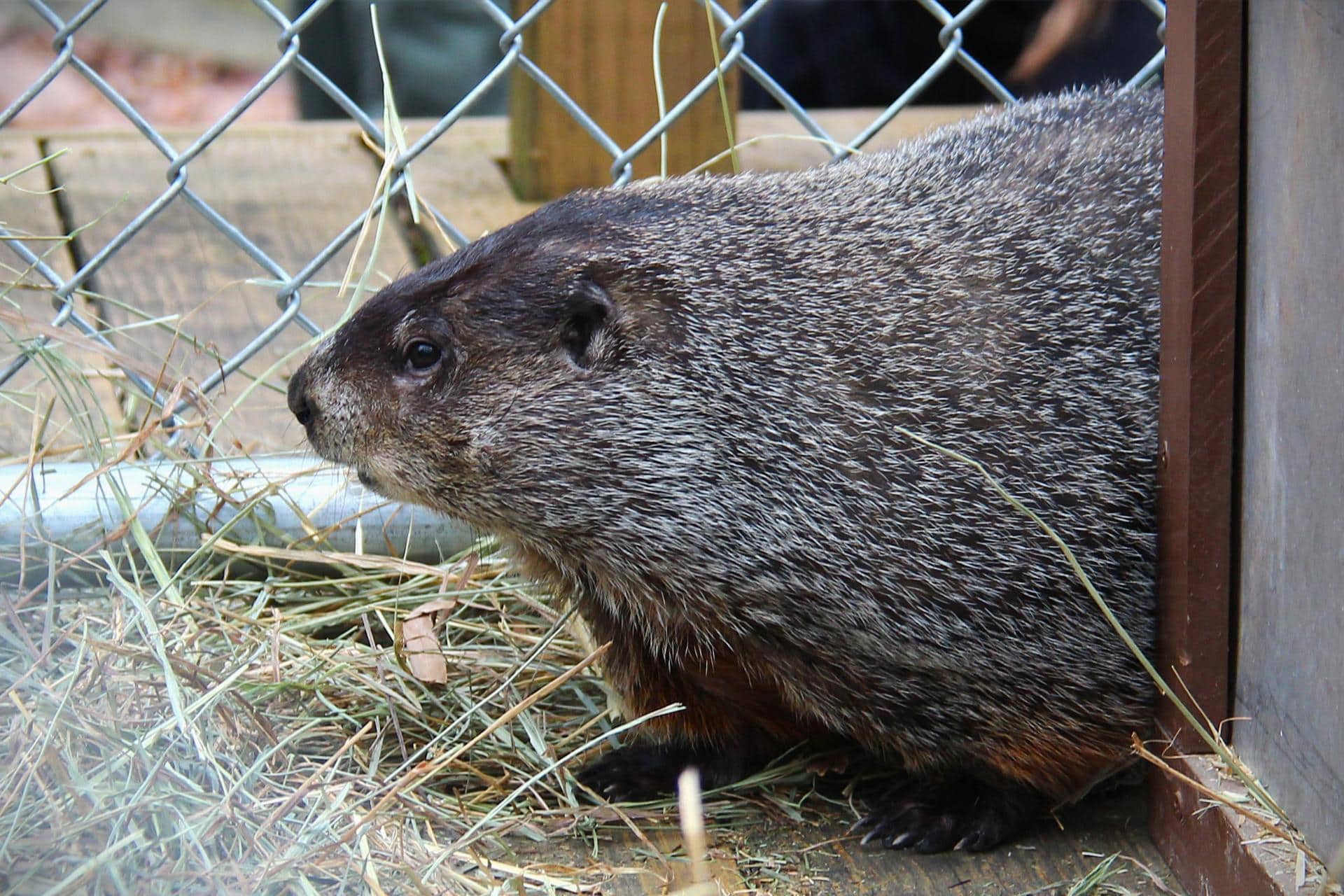
West Virginia has had enough. Enough snow, enough cold, enough scraping windshields in the dark. And on Monday, the state’s collective hopes for an early spring rest on the furry shoulders of French Creek Freddie.
The West Virginia Wildlife Center will host its 49th annual Groundhog Day Celebration on Monday, February 2, when Gov. Patrick Morrisey will help lead the ceremony and announce Freddie’s annual forecast.
The free event begins with an opening ceremony at 9:30 a.m. at the amphitheater. Gates will open at 8 a.m., and guests are encouraged to arrive early to get a good seat.
“Groundhog Day is a cherished tradition here at the West Virginia State Wildlife Center, and we’re excited to welcome back Freddie’s adoring fans,” said Mark Biller, wildlife biologist at the center. “In addition to providing a fun event for families to enjoy, we will be announcing that the loop trail through the animal viewing area is being named an official Mountaineer Mile Trail.”

At 10 a.m., Freddie will emerge from his dwelling to announce whether West Virginia will get an early spring or if winter will continue for another six weeks.
Following the ceremony, guests are encouraged to take photos with the Freddie mascot, participate in the 14th annual wood chucking contest at 10:30 a.m. and explore the Wildlife Center, which features nearly 30 different species of native mammals, birds and reptiles.
Refreshments including hot chocolate, cookies and biscuits and gravy will be served at the gift shop.
Last year, Freddie did not see his shadow and predicted an early spring.

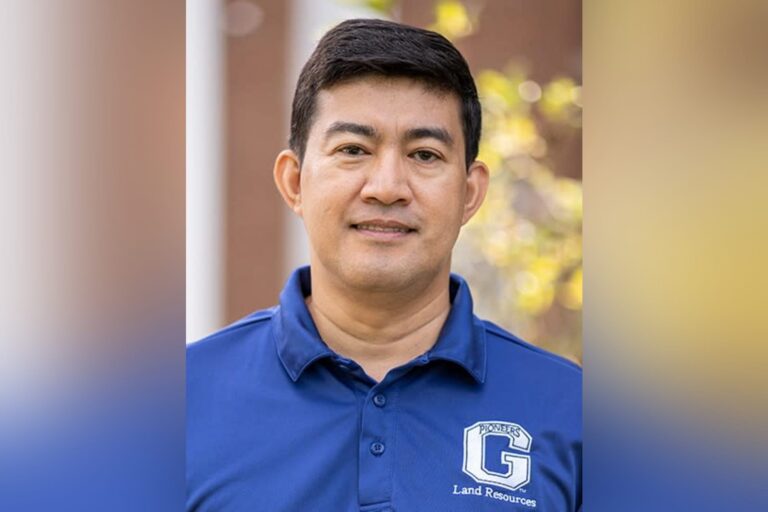
Groundhog Day has deep roots in American culture, according to Sheldon Owen, associate professor and wildlife specialist with WVU Extension.
“The groundhog has had an important place in American culture since 1886, when the original Punxsutawney Phil was crowned,” Owen said. “The first Groundhog Day celebration was held the following year on February 2, the midpoint between the winter solstice and spring equinox and a significant day in early European festivals and religious celebrations.”
German immigrants brought the tradition to America.
“Germans in Europe used wild animals like badgers and hedgehogs to predict spring weather, and when German immigrants settled in Pennsylvania during the 18th and 19th centuries, they continued the custom, choosing the groundhog as their weather forecaster,” he said.

While the shadow-seeing tradition may be folklore, Owen said there is some biology behind using groundhogs to determine when spring might arrive.
“It’s not based on whether a groundhog sees its shadow, but on whether a mate for spring breeding can be found,” Owen said. “Male and female groundhogs hibernate in different dens, so a male has to go in search of a female to find a mate for the spring breeding season. If the females are still hibernating when the males emerge from hibernation, then spring will likely be delayed a bit.”
Groundhogs — also known as woodchucks or whistle pigs — are true hibernators, spending three to six months underground depending on winter conditions. They lose about 50 percent of their body weight during hibernation after spending summers building up fat reserves.
“Found throughout West Virginia and across North America along the brushy edges, woodlots and grassy banks of old fields, groundhogs are the largest of the ground squirrels, weighing five to 13 pounds,” Owen said. “Though groundhogs are most often seen on the ground, they’re actually good climbers. They’re also great diggers, creating different burrows for summer and winter.”

To get to the Wildlife Center from I-79 North, take Exit 99 and follow US-48/US-33 East for 12 miles to Buckhannon, then follow WV-20 South for 12 miles. From I-79 South, take Exit 67 at Flatwoods and follow US-19/WV-4 North approximately 30 miles to Rock Cave, bearing right to stay on WV-4 North at the US-19/WV-4 junction. From Rock Cave, follow WV-20 North for two miles to the Wildlife Center.
For more information, visit WVdnr.gov/west-virginia-wildlife-center.