Community Bulletin
A run of power outages across central West Virginia in recent months has homeowners weighing backup options. Crites Electric, a Buckhannon Generac dealer of more than 45 years, installs automatic standby generators that restore power within seconds — no cords, no switches. Read more →
This story brought to you paywall-free, courtesy of the My Buckhannon team and our community partners
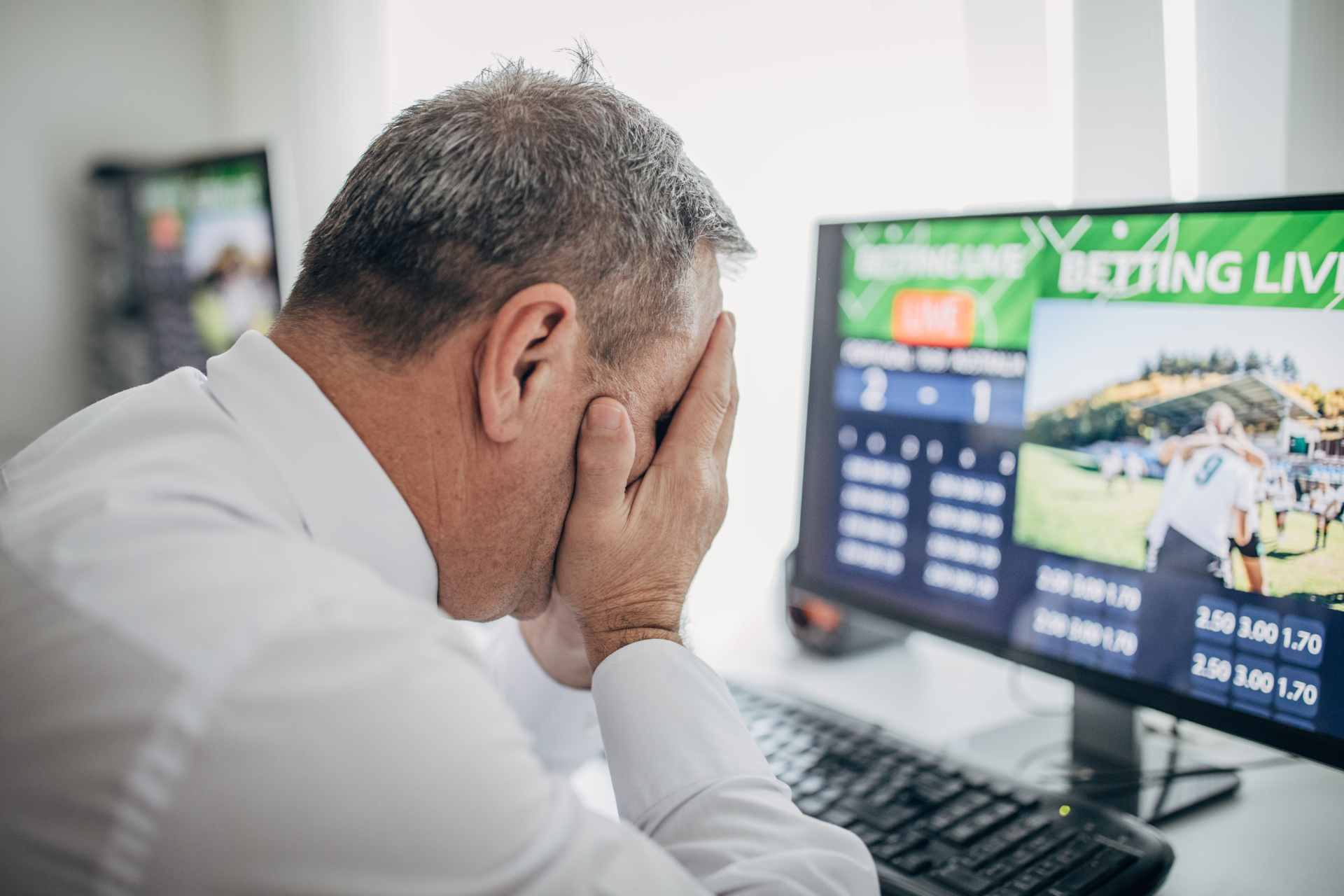
The Super Bowl is the most bet-on single-day sporting event in the United States. As Super Bowl LX approaches on February 8, betting activity is expected to surge. Along with it, experts warn, may come increased financial and emotional harm for some bettors and their families.
A 2025 Credit Karma study highlights the growing impact of sports betting:
- Nearly a quarter (22%) of sports bettors — and partners of bettors — report financial hardship and emotional distress related to betting.
- Almost one in four bettors (23%) say they struggle with sports betting addiction, a figure that rises to 37% among Gen Z bettors.
- Nearly half (48%) of bettors and their partners report experiencing mental health issues, such as depression, linked to sports betting.
Sheila Moran, Director of Marketing and Communications for West Virginia’s Problem Gambling Help Network, said calls from West Virginians to the 1-800-GAMBLER helpline have continued to rise alongside the growth of mobile gambling.
“We’re seeing a clear shift in who is reaching out,” Moran said. “Historically, callers were more likely to be middle-aged women playing slots or video lottery. While we still hear from them, we’re now hearing far more often from younger people, particularly young men, who are gambling constantly on their phones.”
Moran added that the expansion of prediction markets raises additional concerns. “Because these platforms often resemble stock trading apps, many users do not realize they are gambling,” she said. “What is especially troubling is that some do not clearly provide responsible gambling information or connect users to help, such as 1-800-GAMBLER. These apps can also be more accessible to younger users, including children.”
For those who plan to bet on the Super Bowl or participate in prediction markets, the Problem Gambling Help Network encourages the following safer-gambling guidelines:
- Treat money lost as the cost of entertainment; any winnings are a bonus.
- Set money and time limits in advance — and stick to them.
- Expect to lose. Most bettors do.
- Never gamble with money you can’t afford to lose or with borrowed funds.
- Maintain balance; gambling should not interfere with work, school or relationships.
- Avoid chasing losses, which often leads to greater harm.
- Don’t use gambling to cope with stress, anxiety or loss — seek support instead.
- Learn the warning signs by taking the confidential quiz at 1800GAMBLER.net.
If you or someone you know is struggling with gambling, help is available. Call or text 1-800-GAMBLER to connect with free, confidential support. Services include appointments with trained counselors, either in person or via telehealth, as well as support groups, financial counseling and gambling-blocking tools.