Community Bulletin
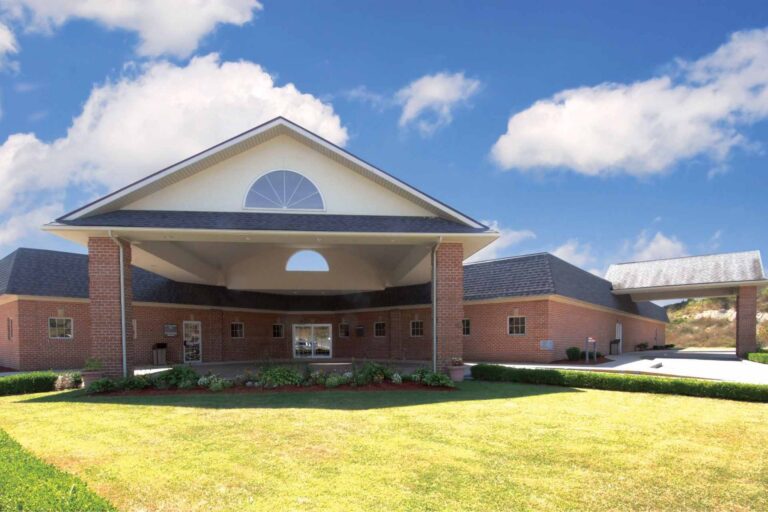
Fred W. Eberle Technical Center in Buckhannon is enrolling students in its commercial driver’s license (CDL) training program, an accelerated course that can be completed in five to seven weeks. Both daytime and limited evening sessions are available. Read more →
This story brought to you paywall-free, courtesy of the My Buckhannon team and our community partners
Charleston WV – The following events happened on these dates in West Virginia history. To read more, go to e-WV: The West Virginia Encyclopedia at www.wvencyclopedia.org.
Dec. 24, 1852: The last spike was driven on the Baltimore & Ohio Railroad between Baltimore and the Ohio River. The event occurred at Rosbys Rock near Moundsville. To mark the spot where the final spike was driven, the following words were carved upon the rock: Rosbbys [sic] Rock Track Closed Christmas Eve 1852.
Dec. 24, 1942: The Committee on Fair Employment Practices ordered that Jehovah’s Witnesses be reinstated to their jobs at Pittsburgh Plate Glass in Clarksburg. The workers had been fired for refusing to participate in union-sponsored flag-salute ceremonies at the plant.
Dec. 25, 1887: Folk artist James Tyree Rexrode was born in Pendleton County. He created a visual record of rural West Virginia life in the early 20th century. He died in 1976.
Dec. 26, 1917: Instrument maker Harold M. Hayslett was born in Putnam County. Hayslett’s violins, violas and cellos have received awards for tone and workmanship, and are cherished by collectors and players alike.

Dec. 27, 1797: The county seat of Ohio County was moved from West Liberty to Wheeling.
Dec. 27, 1923: Businessman and Point Pleasant native Michael Owens, who revolutionized the glass industry through automation, died at age 64.
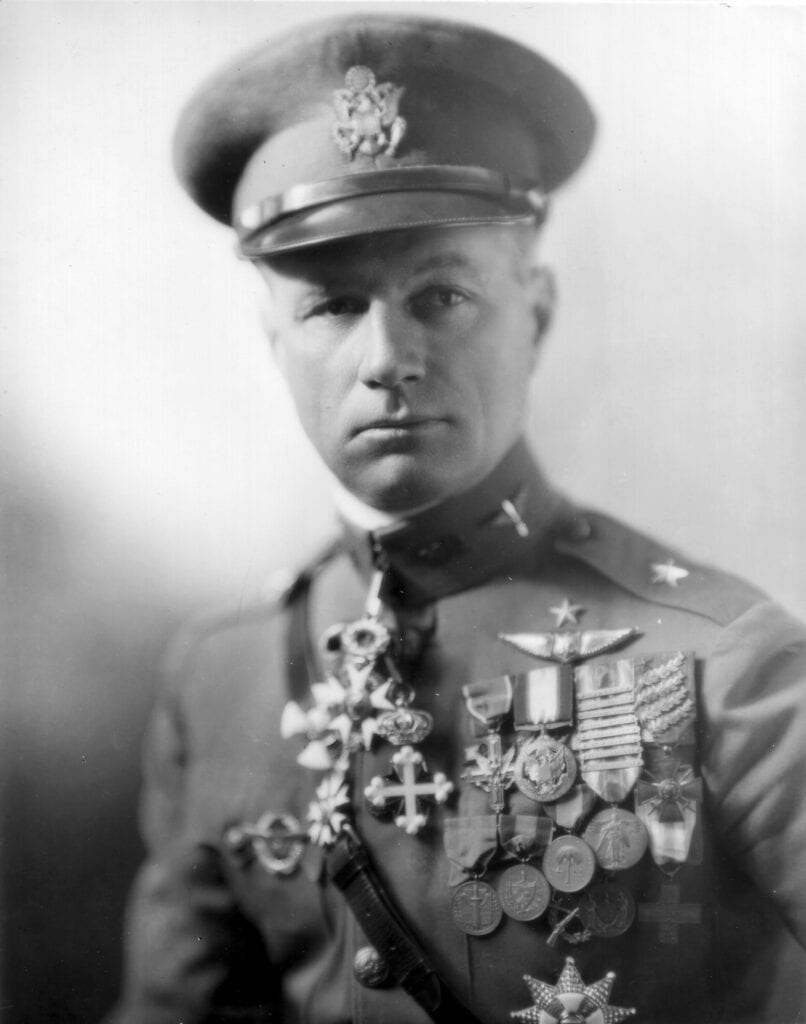
Dec. 28, 1879: Brigadier General Billy Mitchell was born in France. As chief of the Army Air Service, Mitchell ordered aircraft of the 88th Squadron to perform reconnaissance during the 1921 Miners’ March on Logan.
Dec. 28, 1978: The last trains ran on the Greenbrier Division, a branch line of the Chesapeake & Ohio Railway. Unlike most C&O branches in West Virginia, the Greenbrier Division was not a coal-hauling line but served the valley’s timber industry.
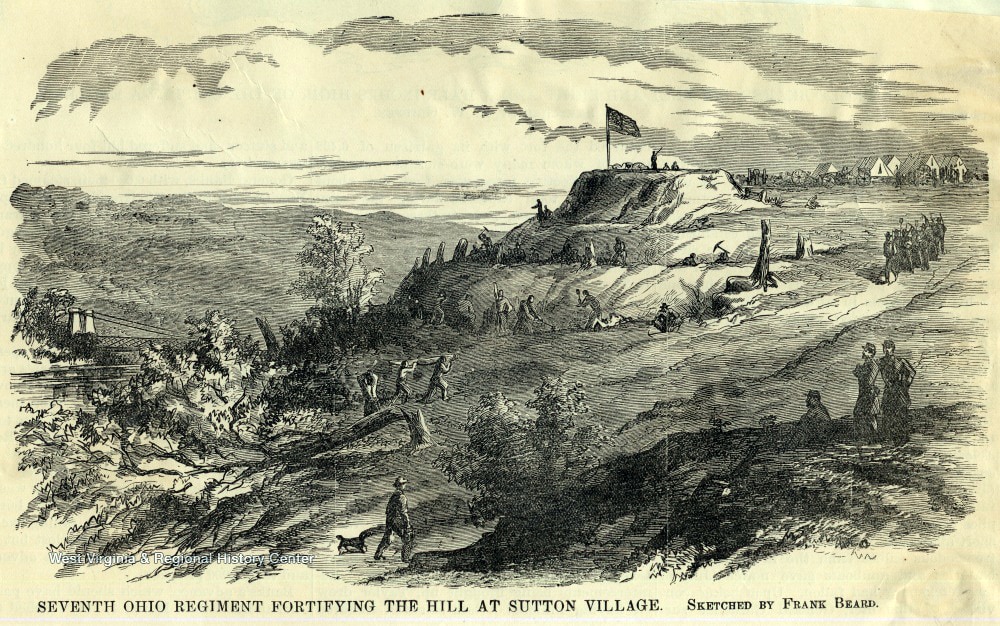
Dec. 29, 1861: Confederate soldiers burned most of downtown Sutton. The town slowly rebuilt but remained small until the local timber industry boomed in the 1890 to 1920 period.

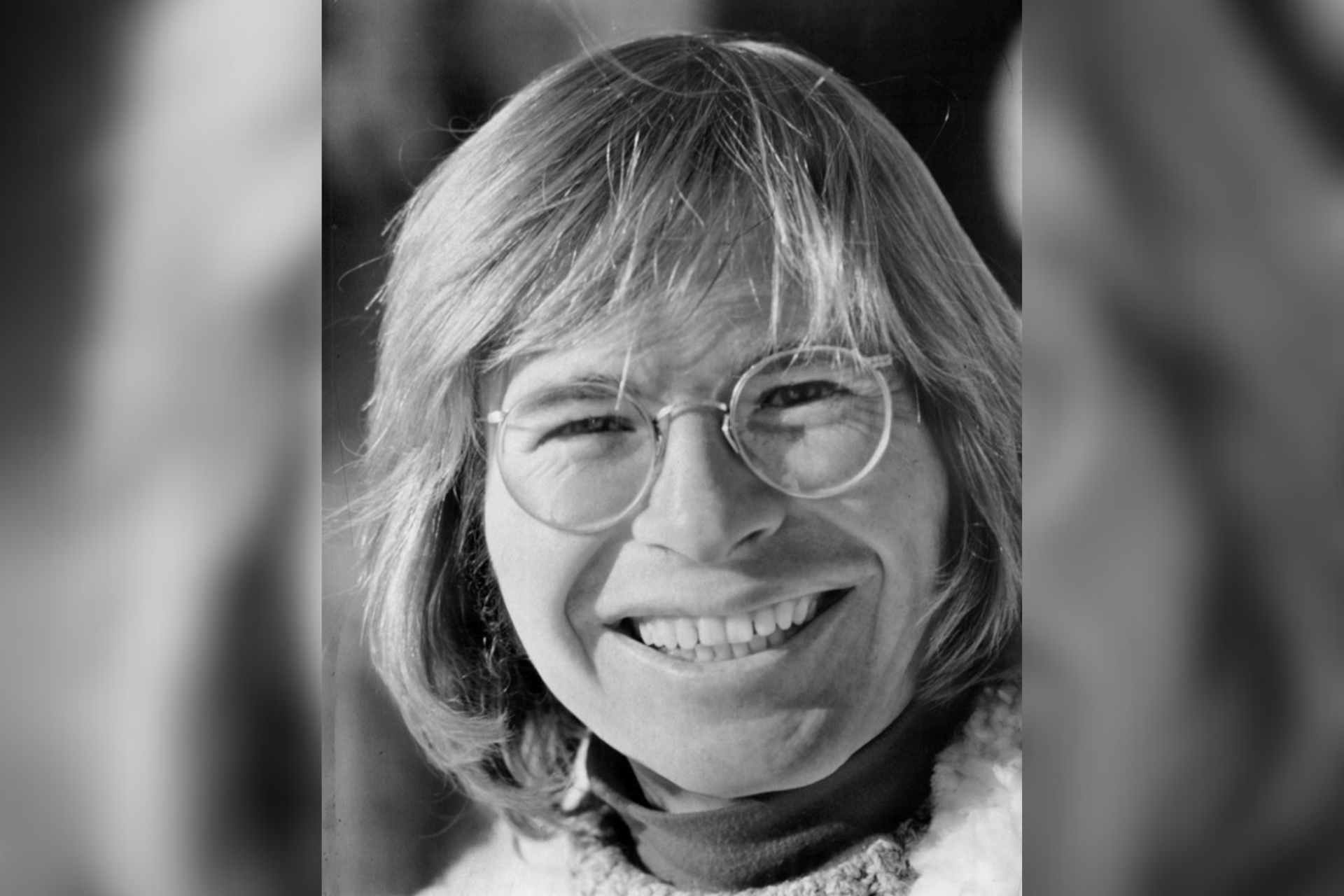
Dec. 29, 1970: John Denver and two friends completed the song “Take Me Home, Country Roads.” Denver performed “Country Roads” in West Virginia on several occasions, notably for the opening of the new Mountaineer Stadium in Morgantown in 1980.
Dec. 30, 1917: The temperature in Lewisburg dropped to 37 degrees below zero. It is the coldest official temperature on record for the state.