Community Bulletin
WVU Medicine St. Joseph's Hospital — the Buckhannon hospital the Pallottine Sisters opened in 1921 — has launched an updated website, putting providers, services and bill pay a click away. Read more →
This story brought to you paywall-free, courtesy of the My Buckhannon team and our community partners
The five-year survival rate for pancreatic cancer has remained at only 13% for the third consecutive year, according to the American Cancer Society’s Cancer Facts & Figures released in January.
No other major cancer has a five-year survival rate below 20%. For patients diagnosed with the most common type — pancreatic adenocarcinoma — the survival rate is just 8%.
“When I first started volunteering with PanCAN, the five-year survival rate was only 6%,” said Annette Fetty-Santilli, the Pancreatic Cancer Action Network’s community partner for West Virginia. “Even though the 5-year survival rate was increasing gradually in the previous decade, it has stalled. We must continue to work to raise the survival rate.”
Fetty-Santilli lost her brother Jim Fetty in 2007 to the disease. He was diagnosed with pancreatic adenocarcinoma just 18 months before he passed away at age 38.

The report also projects that more people than ever will be diagnosed with pancreatic cancer in 2026 — an estimated 67,530 Americans. While it is currently the 11th most commonly diagnosed cancer in the United States, it remains the third-leading cause of cancer-related deaths. Approximately 52,740 Americans are expected to die from the disease this year — 144 every single day.
PanCAN has published data predicting pancreatic cancer will become the second-leading cause of cancer-related deaths before 2030.
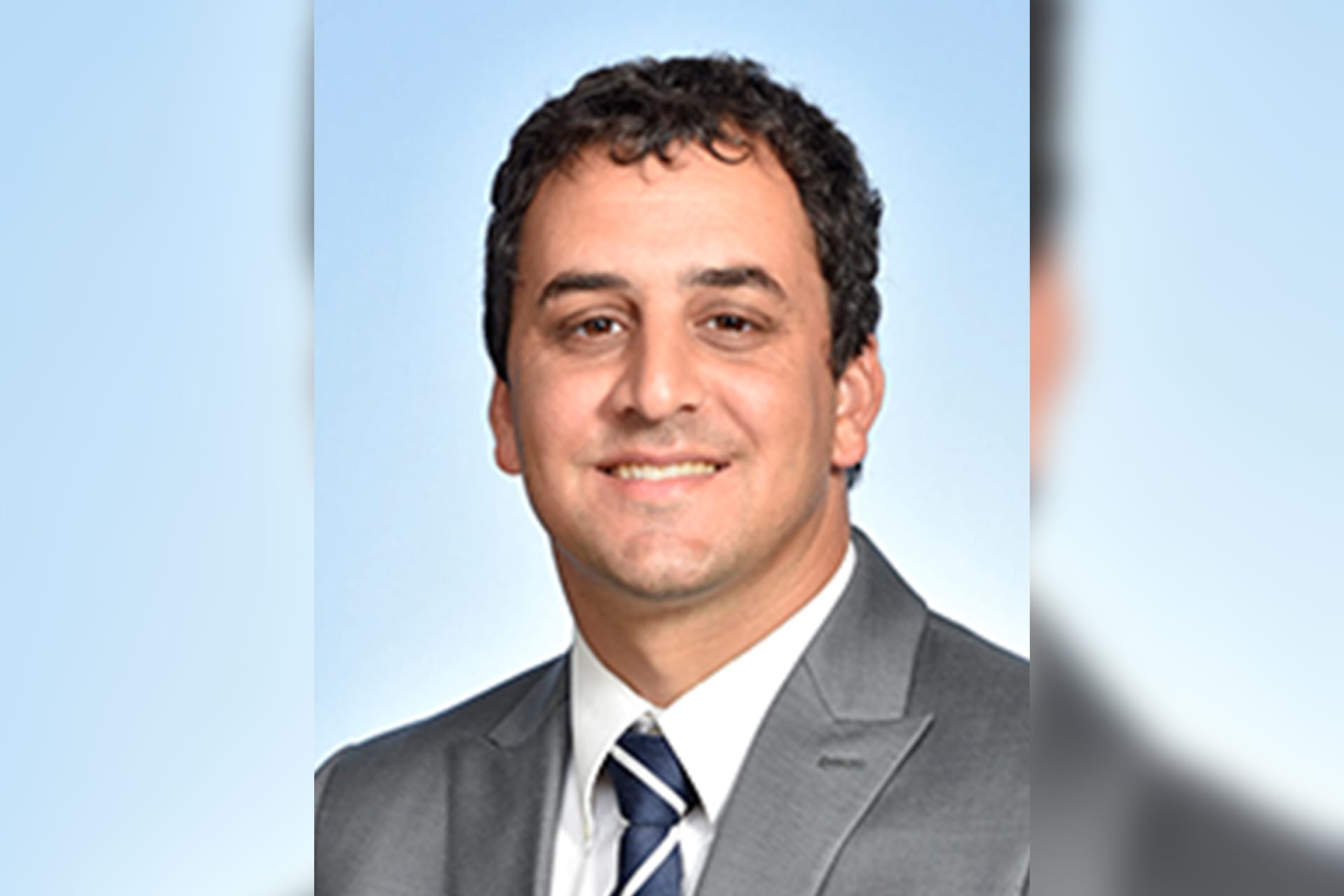
Dr. Brian Boone, a pancreatic surgeon and researcher at West Virginia University, sees the recent plateau in survival rates as a call to action.
“For several years, research resulted in treatment improvements that slowly increased the survival rate,” Dr. Boone said. “The recent report from the American Cancer Society emphasizes that now, more than ever, we need to prioritize this deadly disease. Funding of groundbreaking research is desperately needed to improve efforts for early detection and develop better treatments.”

Dr. Boone and colleagues at WVU are working to improve patient outcomes through basic, translational and clinical research efforts. The WVU pancreatic team was recently recognized by Castle Connolly as a National Gold Standard in pancreatic surgery, placing them among the top 25 programs in the country for patient outcomes.
“Treatment advances are made possible by patients participating in clinical trials,” said Julie Fleshman, CEO of the Pancreatic Cancer Action Network. “PanCAN strongly recommends clinical trials at diagnosis and during every treatment decision.”
January was Pancreatic Cancer Clinical Trials Awareness Month.
For more information, visit pancan.org or the West Virginia PanCAN Facebook page.