Community Bulletin
Foot and ankle pain no longer means a long drive. Vandalia Health Foot & Ankle now treats patients in four central West Virginia towns — Buckhannon, Cowen, Elkins and Philippi — part of the network long known as Davis Health System. Read more →
This story brought to you paywall-free, courtesy of the My Buckhannon team and our community partners
BUCKHANNON — The Upshur-Buckhannon Health Department will offer free vaccines Friday to people who waded into floodwater or plan to help with cleanup, part of the county’s response to this week’s catastrophic flooding.
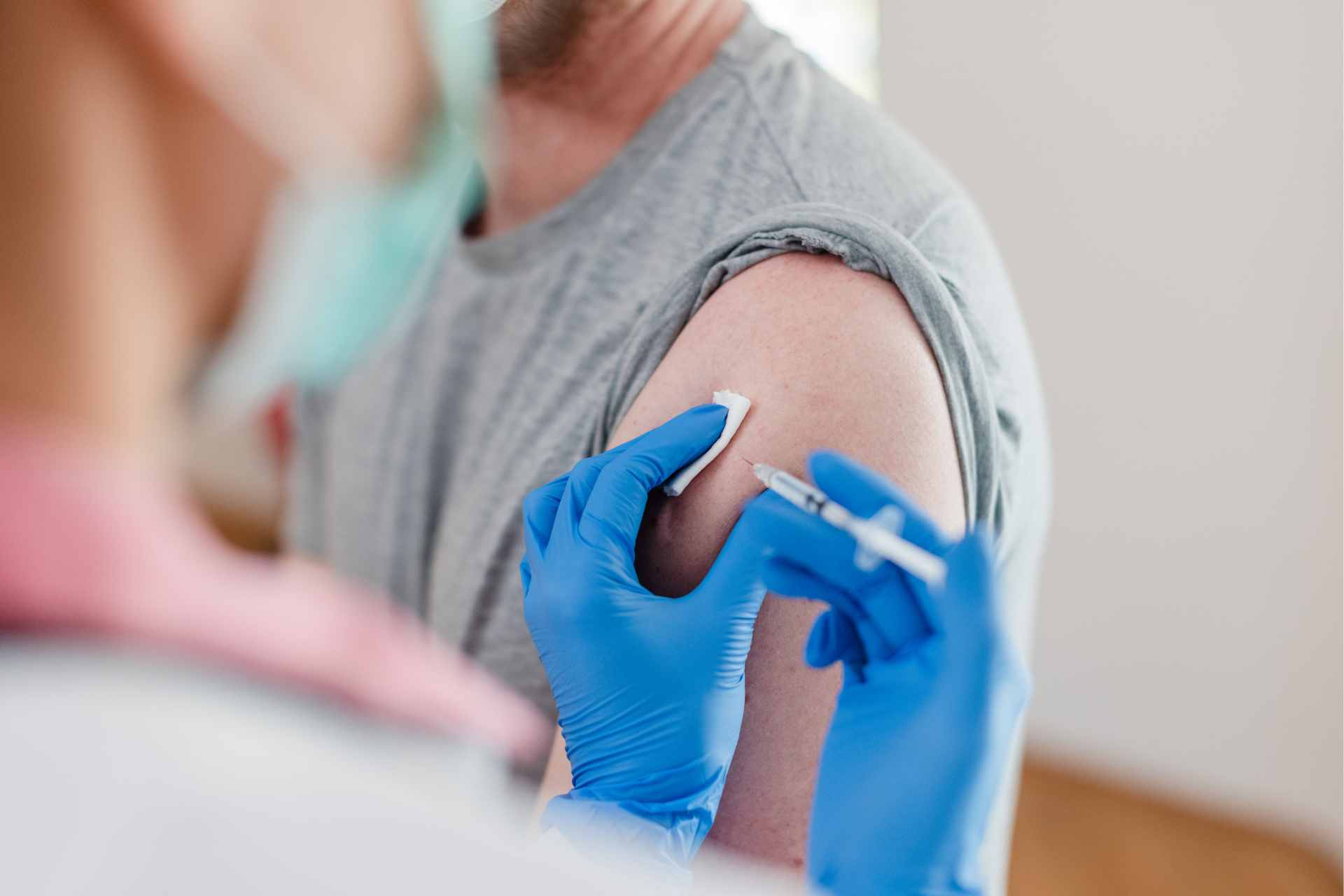
The department will give Tdap shots — which protect against tetanus, diphtheria and pertussis — along with hepatitis A vaccines beginning at 10 a.m. Friday, July 24, at the administration loop at West Virginia Wesleyan College on College Avenue. The clinic will run until the doses are gone or people stop coming.
The department said it will have 150 adult Tdap doses and 150 adult hepatitis A doses on hand, plus 50 pediatric doses of each.
People whose tetanus vaccination is current do not need to come, the department said, but anyone who has not had the vaccine in the past seven to 10 years is welcome. Staff will not check the state immunization registry to determine who is due.
“This is a get shots in arms so people are protected,” the department said, adding that all vaccinations will be recorded in the state registry afterward.

Anyone coming to the clinic will be handed a clipboard with paperwork asking for their name, address, birthdate and phone number, and is asked to complete it while waiting in line.
The clinic follows warnings from the department’s medical director, Dr. Catherine (Mindy) Chua, who urged caution around floodwater this week and explained why the shots matter.
“The waters are murky, you can’t really see what’s going on under your feet, also there can be pieces of metal that are being washed downstream that might go by and hit you in the leg,” Chua said. “The thing with tetanus is that it’s one of those vaccines that you really must have the vaccine in your system before you get exposed, so if you know you’re going to be out cleaning up, specifically cleaning up around the flood waters, it’s a good idea to get that tetanus shot before you get started, just in case you do get some kind of a cut from a piece of infected metal or something.”
Chua said hepatitis A is another concern because floodwater can carry sewage.
“That is a virus that’s spread through fecal-oral contact, and floods tend to cause backup of sewage systems. You can see in some of the pictures, there are porta potties floating down the waters,” Chua said. “There’s a potential exposure to hepatitis A if you’re walking in those kinds of contaminated waters.”

She said even people who are up to date on their shots should clean any wounds and shower thoroughly after wading into floodwater.
“Make sure you take a really good shower. If you do get a cut, make sure that you clean it out really well with soap and water,” Chua said. “If you have some antibacterial salve or something, it probably wouldn’t hurt to put some of that on there. Make sure you have good hand washing. Don’t go and eat after you’ve been in the water.”
The department is also inspecting restaurants to make sure power outages did not spoil food.
“With extensive power outages, you have a risk of contaminated foods and things like that, so the health department will be going into restaurants and checking out that kind of stuff to make sure their refrigeration has been okay,” Chua said. “Obviously, we won’t go to individual homes to check for spoiled food, but it is something to be aware of.”
It will also test wells for residents worried about bacteria, after floodwater picked up contaminants from across the area.

“It’s not your normal river water because it came so quickly, and when there’s a flood like that, you’re getting all kinds of foreign material,” Chua said. “For example, somebody’s barn gets flooded, and they have animals in that barn that have feces; that’s going to be going into the river again. If somebody’s porta potty gets turned over, that’s going into the water, so it’s not just your typical river water. It’s going to have all these other contaminants in it that are coming from places that got in the way of the flood waters.”