Community Bulletin
A longtime State Farm agent on Buckhannon's Main Street, Kelley Tierney offers home, auto, life and renters insurance — plus State Farm financial services — under the company's "Here For What Matters" approach. Read more →
This story brought to you paywall-free, courtesy of the My Buckhannon team and our community partners
By Henry Culvyhouse, Mountain State Spotlight
This story was originally published by Mountain State Spotlight. Get stories like this delivered to your email inbox once a week; sign up for the free newsletter at mountainstatespotlight.org/newsletter.
In 2014, then-Senate President Jeff Kessler proposed an ambitious plan: Set aside some of the tax money from gas, oil, and coal, so the state would continue to reap the benefits long after the last stream of gas was sucked out of the state’s wells and the last cart of coal was hauled out of the mines.
The Democrat from Marshall County said the idea, called the West Virginia Future Fund, was simple: save back a portion of the state’s severance tax from coal and natural gas extraction and use the interest from that fund to invest in projects the state needs.
“It’s things that would lead to long-term sustainable development,” Kessler said. “Improving the education, the infrastructure, and the opportunities to help the welfare of the people of the state and to give them an even better standard of living.”

The Future Fund was then just the latest in these kinds of funds set up around the country by resource extraction states. New Mexico, an oil producer, has one. Oil-rich Alaska set up its fund after a major pipeline ended construction. North Dakota’s fund was introduced after a major oil boom. That fund, Kessler said, became the model for West Virginia’s fund.
Since then, New Mexico has used a portion of its fund to make child care available for all families, regardless of income. Alaska offers a stipend ranging from $800 to $3,000 to every man, woman and child in the state. North Dakota parlayed some of its fund into a low-interest loan program for water, electricity and natural gas infrastructure.
West Virginia didn’t do any of that. The state never made a deposit.
During the 2014 session, Kessler’s bill went through the legislative process, and lawmakers added a number of amendments. The result was a variety of conditions that had to be met before a deposit could be made.
There couldn’t be a hiring freeze in the state government. The governor couldn’t use the Rainy Day Fund to shore up the budget. The Rainy Day Fund had to be a certain size relative to the state budget.
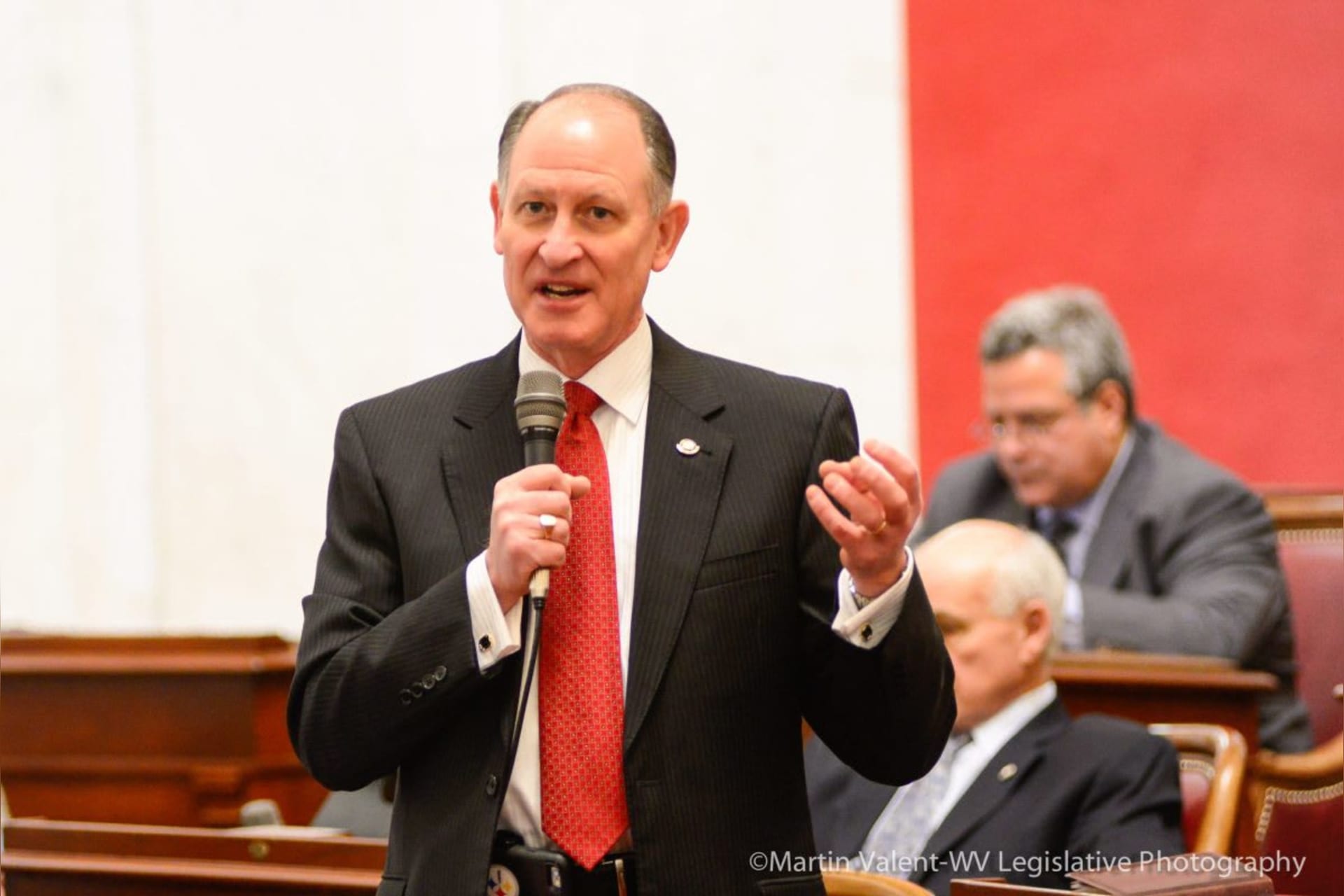
Kessler said he wasn’t happy with the conditions, but he supported the legislation.
“I said we’re going to set up the framework. I’ll accept it this year as is. Next year, ain’t a damn bill gonna pass this damn Senate until we get this thing fixed,” he said.
But next year never came for Kessler. The 2014 election tossed Democrats out of power, and Kessler became the minority leader, not the president of the Senate.
The conditions for funding remained. Even if all the hurdles had been cleared, only 3% of the state’s severance tax per year would’ve been deposited in the account. At 6% annual interest, there would be around $219 million in that fund today.
While each year, the state failed to make deposits in the fund, state revenues soared due to increased funding from the federal government during COVID and a spike in gas production caused by Russia’s invasion of Ukraine. Those two factors were used to justify a massive income tax cut instead.

Today, New Mexico’s fund, which has been around since prior to statehood in 1912, is valued at more than $30 billion. Alaska’s fund, started in 1976, is valued at $91 billion. North Dakota is a late comer, starting theirs in 2010, but they already have an estimated $15 billion in the bank.
Had West Virginia committed 30% to the fund — the rate North Dakota does — it would’ve had $572 million in interest alone to address issues such as the state’s water crisis and closing schools.
“We estimate it would only take $28 million to keep the current list of schools open that are slated for closure,” said Sean O’Leary, budget analyst for the West Virginia Center on Budget and Policy.
“That kind of money could’ve been an additional amount used for any discussion in changing the school aid formula,” he added.
Had lawmakers committed 100% of oil, gas and coal taxes to the Future Fund instead of using it for general budgets, the state would have about $1.9 billion in available funds to fix the state’s most pressing needs.

“Something like that means fixing roads, water in a serious way,” O’Leary said. “We could start cutting checks like they do in Alaska.”
But funds like the Future Fund don’t just serve immediate needs. Rachel Jacobson, with the Center on Budget and Policy Priorities in Washington, D.C., said these funds should be used for long-term budget planning.
She said states should use these funds to transition from relying on severance taxes as markets get away from oil, gas and coal for energy needs.
“It’s important for states to take a range of actions to support their fiscal health amidst the energy transition, and sustainable, equitable use of fossil fuel revenues is one of those things that states need to do,” she said.
In 2023, the West Virginia State Senate revisited the Future Fund. Rather than fixing it, they killed it with little debate.

Kessler said he hopes someone down the road will revisit the topic.
“You got to start somewhere,” he said. “Better late than never. If you start your 401k when you’re 50 years old instead of 20, you’re not going to be able to save as much. But at least you started something.”
Reach reporter Henry Culvyhouse at henry@mountainstatespotlight.org.