Students at the Benjamin M. Statler College of Engineering and Mineral Resources at West Virginia University will benefit from enhanced hands-on learning opportunities with the opening of a state-of-the-art EQT Petroleum and Natural Gas Engineering Lab. The facility serves as a hub for teaching, research and workforce development within the Petroleum and Natural Gas Engineering (PNGE) Department.
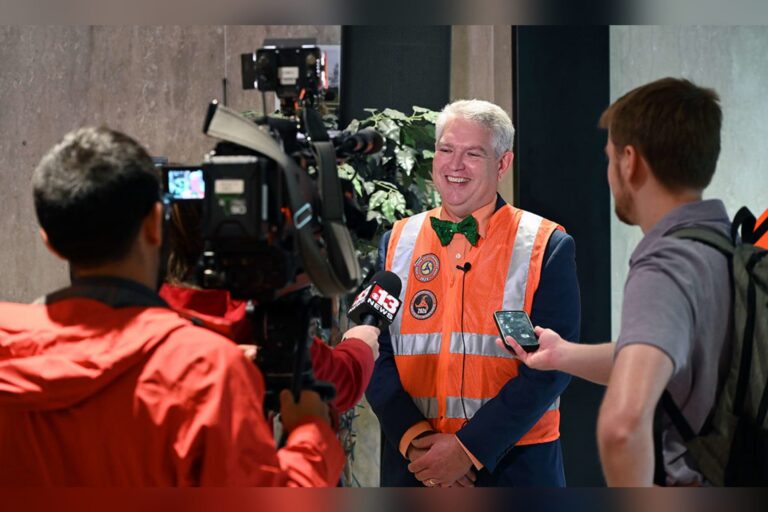
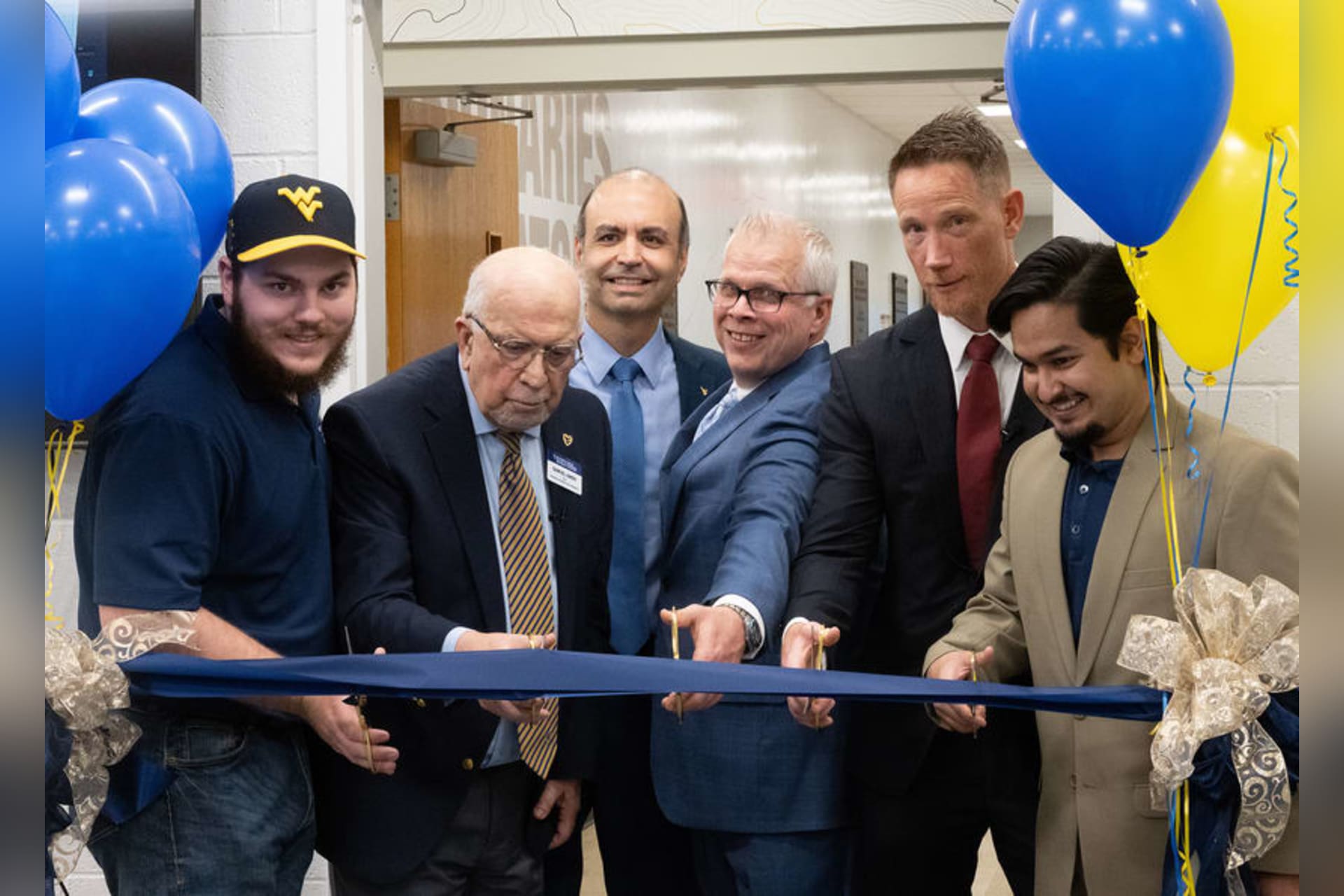
The EQT Petroleum and Natural Gas Engineering Lab, located in the Mineral Resources Building, was officially unveiled during a ribbon-cutting ceremony on April 17. University leadership, faculty, students and representatives from EQT gathered to mark the opening of the facility, highlighting the continued importance of industry partnerships in preparing students for careers in the evolving energy sector.
The lab was made possible through generous support from the EQT Foundation, which funded the construction, renovation, equipment and furnishings needed to transform two existing laboratories into a single, dynamic learning environment. In recognition of this commitment, the newly renovated space will serve as a central hub for petroleum and natural gas engineering education at WVU.
“The creation of this midstream-focused petroleum engineering curriculum is directly aligned with a growing need in our industry,” said J.E.B. Bolen, executive vice president of operations at EQT Corporation. “Demand is rising for engineers and operators who understand gathering systems, compression, transmission and the technologies that support safe pipeline operations.”

The facility supports foundational learning through an introductory undergraduate course in midstream petroleum engineering, with a focus on the processing, transportation and storage of oil and natural gas. It also supports WVU’s online master’s degree and certificate programs, helping to prepare students to meet growing workforce demands as the energy industry continues to expand and experienced professionals approach retirement.
Students in the program will have the opportunity to engage directly with industry-grade equipment and real-world applications, strengthening their technical skills and field readiness through hands-on experience.
“The EQT Lab represents a transformative step forward for advanced energy research, providing the tools and environment needed to develop and apply complex, data-driven solutions,” said Ali Salesian, a doctoral candidate in PNGE. “For students working in areas like midstream systems and AI-based modeling, this kind of infrastructure is essential for translating research into real-world impact.”
The EQT Petroleum and Natural Gas Engineering Lab also reinforces WVU’s position as a leader in energy education. The University is one of only four institutions in the nation offering a PNGE program accredited by the Accreditation Board for Engineering and Technology, providing students with a distinctive and highly competitive academic pathway.

Samuel Ameri, professor and chair of the WVU PNGE department, said the new lab will play a critical role in advancing both student learning and research within the program.
“It is an honor to recognize EQT’s generous support, which strengthens our ability to provide high-quality education and meaningful opportunities for our students,” said Ameri. “The EQT Midstream Engineering Lab enhances hands-on learning, exposes students to advanced technologies and supports capstone projects, while enabling the application of AI in pipeline monitoring and midstream research. We are grateful for EQT’s continued partnership and commitment to the future of our program.”
The dedication of the lab reflects the ongoing collaboration between WVU and industry partners like EQT, creating opportunities for innovation, experiential learning and workforce development. Through investments like this, the Statler College continues to attract top students, expand academic offerings and strengthen its role in supporting the future of the energy industry in West Virginia and beyond.