Community Bulletin
Twin Oaks Home Sales is now renting newly set-up manufactured homes at its Meadowlands community near Buckhannon — a quiet country setting close to town and schools. Good credit and references required; no homes are currently for sale at Meadowlands. Read more →
This story brought to you paywall-free, courtesy of the My Buckhannon team and our community partners
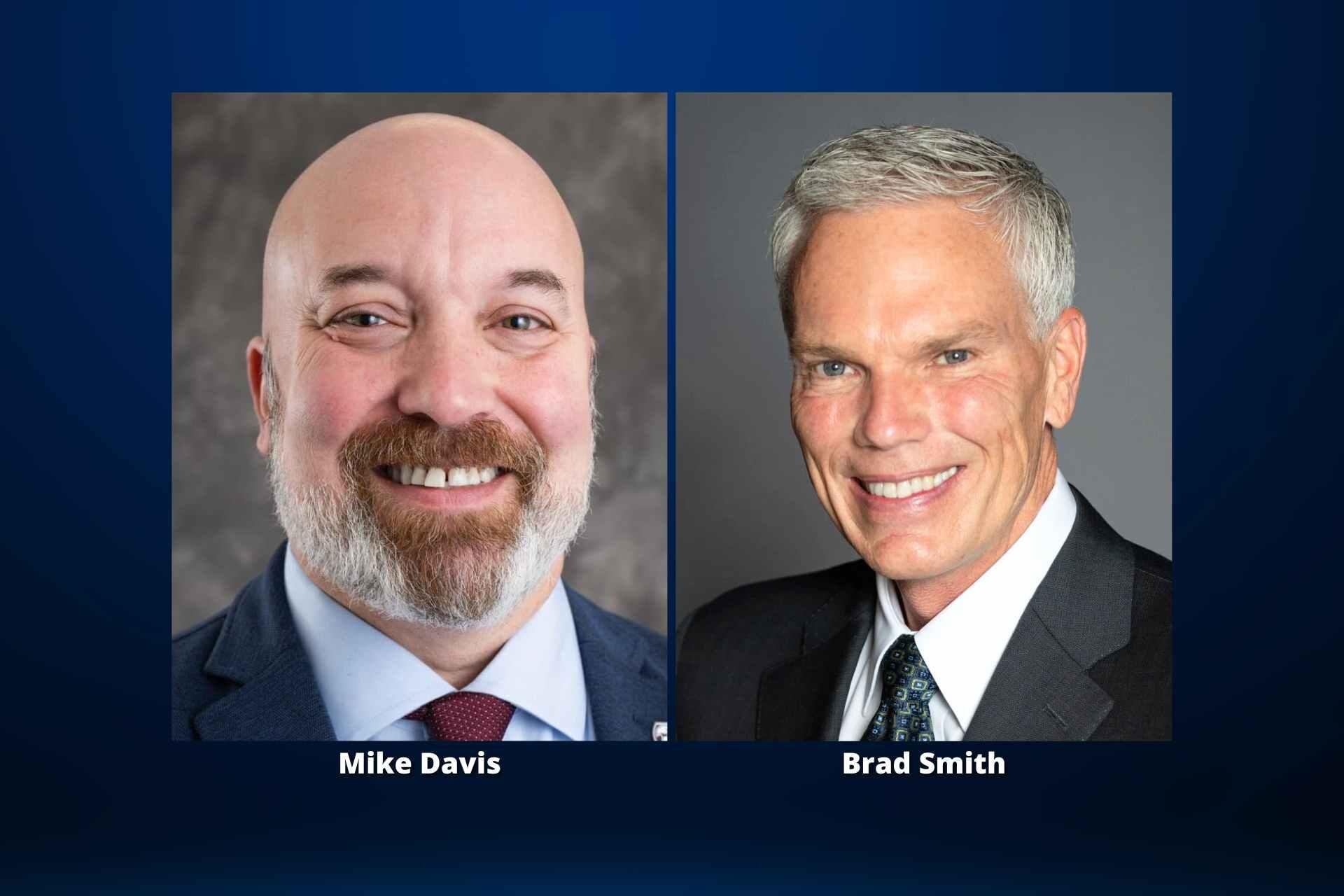
Op-ed by Dr. Mike Davis, President of Fairmont State University and Brad D. Smith, President of Marshall University
In higher education, competition among institutions is often assumed to be a zero-sum game — one university’s gain is another’s loss. As presidents of two West Virginia public universities, we can tell you that nothing is further from the truth. In fact, we believe that when West Virginia’s higher education institutions work together, the entire state benefits.
Marshall and Fairmont State are very different universities. Marshall enrolls approximately 12,000 students and Fairmont State around 3,000. Marshall has a medical school and dozens of graduate programs, while Fairmont State serves mostly undergraduate students (although graduate programs are an emerging strength).
The two of us are quite different, too. Brad comes from the private sector and Mike has worked on a college campus for his entire adult life. Brad was born in West Virginia, while Mike has only lived here for the past two years. However, as is often the case, we discovered we have more commonalities than differences.
Through ongoing collaboration with one another — and with our fellow university presidents — we’ve identified common ground in tackling the urgent challenges confronting higher education: rising costs, changing workforce demands, and concerns about the value of a degree. These pressures are real, but they also present powerful opportunities for partnership, innovation, and progress.

For many students, the cost of a college education has become a significant barrier. Despite efforts to keep tuition affordable, the reality is that students and their families are bearing an increasingly heavy financial burden. In response, our institutions (and others across the state) have promoted affordable, and in some cases zero, tuition. But we can do more.
By sharing resources, streamlining processes, and collaborating on programs, we can reduce costs for students while maintaining the high standard of education that our state needs. Partnerships between universities — whether for joint research, shared programming, or academic exchanges — will allow us to pool resources and make higher education more affordable for West Virginians.
Collaboration can also make college more accessible. West Virginia, like many states, has a high percentage of first-generation college students, many of whom come from economically disadvantaged backgrounds.
Ensuring that these students have access to the resources they need to succeed is crucial — not just for their future, but for our state. This means expanding scholarships, providing robust academic support, and developing campus cultures that welcome and support all students. Both of our institutions are also reaching beyond the traditional college-aged population to enroll more adult learners and working professionals.
West Virginia’s workforce is changing, and so too must our educational offerings. With industries like energy, cyber security and technology, healthcare, and tourism developing rapidly, universities are tasked with preparing students for a job market that demands specialized skills and adaptability. The pace of technological change alone means that graduates must be both experts in their chosen fields and equipped with critical thinking and problem-solving skills.

This challenge presents an opportunity for our universities to collaborate more closely with industries and local communities. By aligning our academic programs with the current and future needs of the workforce, we can provide students with relevant, practical education that ensures they are ready for their first job as well as the challenges they will face throughout their careers.
Internships and co-ops in our communities help bridge the gap between academic learning and real-world experience, giving students a leg up when entering the workforce. These experiences can often lead to full-time employment, and increase the likelihood that students stay in West Virginia upon graduation.
Higher education leaders must also unite our voices, speak up, and passionately reaffirm the value of a college degree. The average West Virginian will see a seven figure increase in their lifetime income by completing college. The investment students and families make in their education is worth it and it is our duty to stress that value every day.
And if we truly believe in the value of higher education for West Virginians, then we must ensure the programs that increase student retention and graduation rates are not treated as propriety resources but instead are shared with other institutions, to improve the lives of all West Virginians. As we increase access for students and work to ensure their success, our enrollments will rise, and the state will thrive.
This collaboration activates innovation. By joining forces, we are not only tackling our current challenges but also positioning ourselves to anticipate future needs. Our universities are incubators of ideas, and together, we can lead the way in developing solutions that not only help West Virginia’s higher education institutions thrive but also establish a model for other states grappling with similar challenges.

We are optimistic about the future of higher education in West Virginia. We face significant challenges, but West Virginians know how to rise to meet the moment. With a united approach, shared resources, and a commitment to the students and communities we serve, we can overcome these obstacles and ensure that higher education remains a powerful force for good in our state.
Our partnership demonstrates what’s possible when institutions unite around common goals — and we’re far from alone in this effort. Working alongside our colleagues at other state universities, we are building a higher education system that is more accessible, affordable, and impactful. In the years ahead, our shared commitment will help create a stronger, more resilient West Virginia — one where education drives prosperity for all.