Community Bulletin
Wilson Martino Dental's Buckhannon office at 19 E. Main Street says a patient with a dental emergency will be seen within 24 hours of calling, and most of the time the same day. Its "We Cater to Cowards" approach features everything from gentle-injection options to drill-less fillings for anxious patients. Read more →
This story brought to you paywall-free, courtesy of the My Buckhannon team and our community partners
MORGANTOWN, W.Va. – For patients recovering from injury or adjusting to life with chronic conditions, everyday tasks can become significant challenges. At WVU Medicine, occupational therapists help people rebuild the skills needed to navigate daily life with confidence and independence.
Occupational therapists across WVU Medicine work with patients of all ages who are recovering from injury, managing chronic conditions or adapting to new physical or cognitive challenges. Their focus extends beyond treatment to helping people navigate everyday tasks, from getting dressed and preparing meals to returning to work or school.
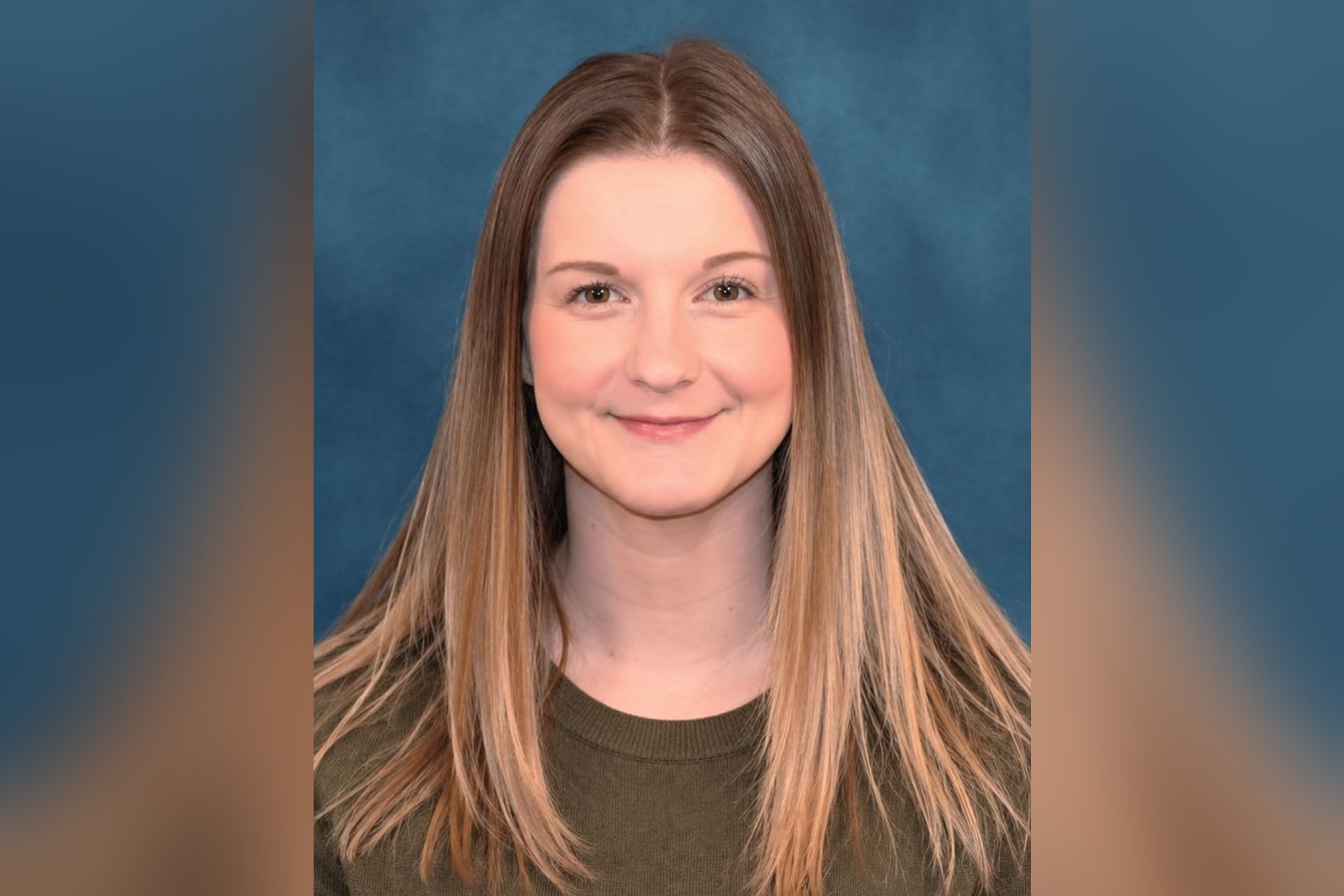
“Occupational therapy is about meeting patients where they are and helping them get back to living their lives,” Bethany Phillips, O.T., WVU Medicine occupational therapist, said. “It’s not just about recovery. It’s about restoring a sense of purpose and independence.”
From inpatient rehabilitation units to outpatient clinics and home health settings, WVU Medicine occupational therapists are part of a coordinated care team that supports patients throughout recovery. They use a range of techniques, including therapeutic exercises, adaptive equipment training and environmental modifications, tailored to each patient’s needs and goals.
For stroke survivors, occupational therapy can mean relearning daily routines. For children, it may involve developing fine motor skills needed for school. For older adults, it can help prevent falls and maintain independence at home.

“Every patient’s goals look a little different,” Phillips said. “Our job is to listen, understand what matters most to them, and build a plan that helps them get there safely and confidently.”
WVU Medicine continues to expand access to occupational therapy services across its network, allowing more patients to receive personalized, functional care close to home.
For more information about rehabilitation services at WVU Medicine, visit WVUMedicine.org.