Community Bulletin
Wilson Martino Dental's Buckhannon office at 19 E. Main Street says a patient with a dental emergency will be seen within 24 hours of calling, and most of the time the same day. Its "We Cater to Cowards" approach features everything from gentle-injection options to drill-less fillings for anxious patients. Read more →
This story brought to you paywall-free, courtesy of the My Buckhannon team and our community partners
WEST VIRGINIA (September 29, 2026) – The West Virginia First Foundation (WVFF) is recognizing National Recovery Month this September by celebrating West Virginians in recovery and the families, friends, professionals and communities who support them along the way.
Observed each September, National Recovery Month celebrates the gains made by those in recovery and recognizes the people and communities that help make recovery possible. This year’s national observance emphasizes the role of community and connection, reducing stigma through storytelling and recognizing that there are many pathways to recovery.
For WVFF, those messages are personal. Across the Foundation’s Board of Directors, Expert Panels and staff are many individuals whose lives have been directly impacted by substance use disorder and recovery. While the voices shared here represent only a few of those experiences, lived experience is deeply represented throughout WVFF and brings an important perspective to the Foundation’s work. It is also a reminder that behind every statistic, program and investment is a person, a family and a story.
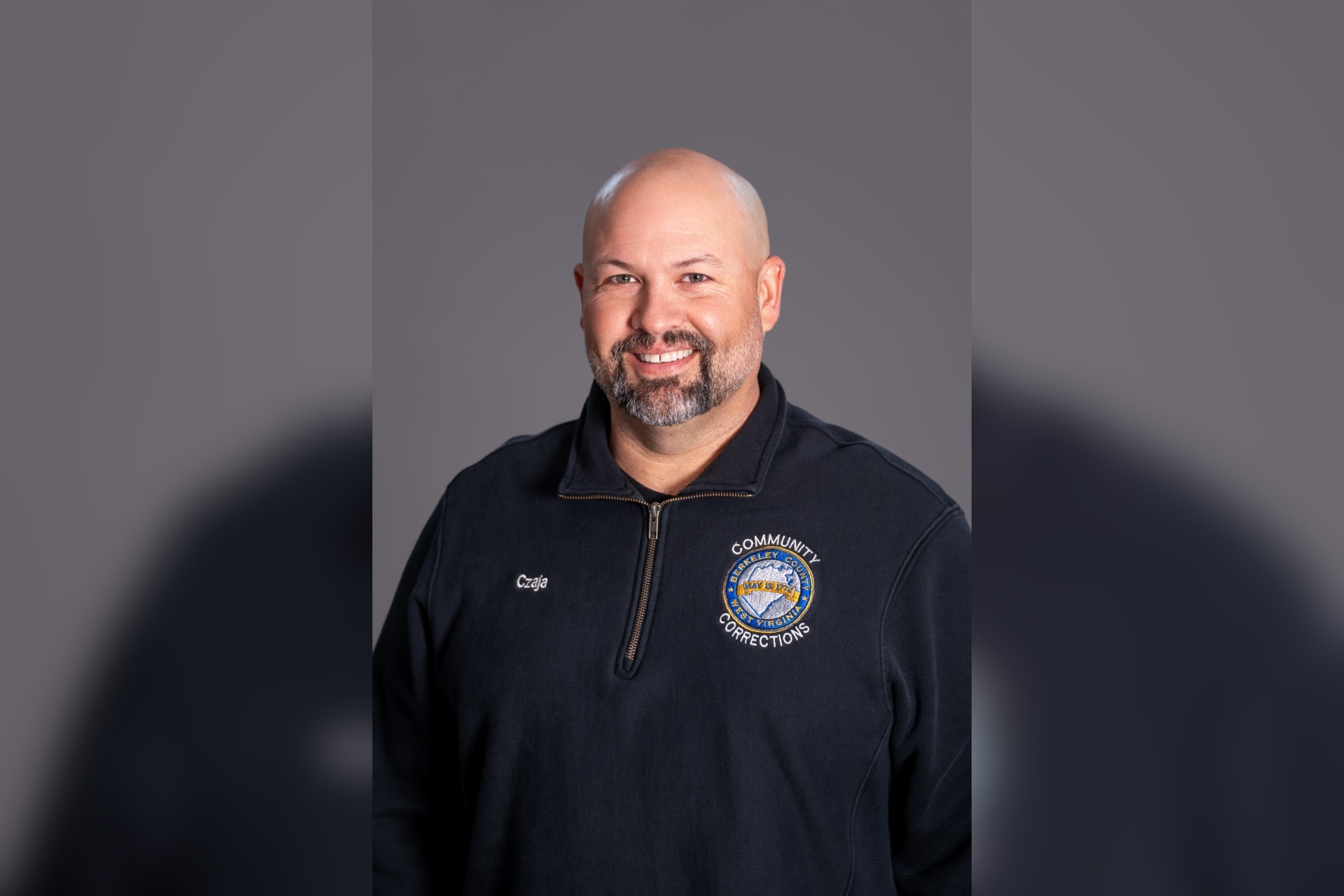
Board members Tim Czaja (Region 2) and Jon Dower (Region 4) know firsthand what it means to build a life in recovery.
“It’s difficult to explain the misery and hopelessness that active addiction brought into my life. I became unrecognizable to my family. This was NOT who I was!!!” said Czaja. “I found freedom from addiction through a faith-based program called Teen Challenge back in 2001, and I’ve never looked back. I’ve spent the last 25 years not only free from the slavery of addiction, but also working in this field in an attempt to point others who suffer from addiction in the same direction. It is my purpose, and I’m truly grateful for the opportunity.”

“Recovery is not about the absence of using substances, but instead, for me, about finding a life where substances are not a factor. Recovery has afforded me the opportunity to be a present father, son, spouse, friend, capable employee, college professor, homeowner, and, some might even say, a productive member of society,” said Dower. “However, the untold story of recovery is the ability to give myself grace, have a sense of self-worth, live with integrity, and help other people avoid some of the pain my addiction caused me and those I care about the most. Recovery isn’t a finish line; it is a starting point that made my wildest dreams become possible. I am not alone, nor am I special; recovery is available to anyone who wants it, and I appreciate those who celebrate with us. Because we sure didn’t get here alone.”
Across West Virginia, recovery takes many forms. It can mean rebuilding relationships, returning to work, finding stable housing, reconnecting with family or simply waking up each day and choosing to keep moving forward. There is no single path to recovery, but connection, support and opportunity can make a meaningful difference. That perspective is also represented for WVFF Expert Panelists, where lived experience helps inform conversations about the needs facing West Virginia communities.
“Recovery has given me the opportunity to turn lived experience into genuine purpose,” said WVFF Statewide Expert Panelist for Recovery and Lived Experience Emily Birckhead. “With the right support, the hardest parts of our stories can uniquely prepare us for a life of service to others. Healing is possible, and our past does not have to define our future. Every person deserves the opportunity to recover with dignity and respect, and to build a life worth staying in recovery for. Data can tell us what is happening, but lived experience helps us remember the human beings behind the numbers. I’m honored to bring that perspective to the West Virginia First Foundation and help ensure that the voices of people with lived experience shape recovery efforts across West Virginia.”
National Recovery Month provides an opportunity to reduce the stigma that can prevent people from seeking help. Sharing lived experiences can help others better understand recovery while reminding those who may still be struggling that they are not alone. For WVFF Director of Program Operations Rachel Thaxton, that message is especially meaningful.
“Behind every conversation about recovery is a real person and a family whose lives have been impacted by substance use disorder,” said Thaxton. “Through my own experience, I’ve learned that stigma can be one of the biggest barriers to recovery, and that compassion, understanding, and meeting people where they are can make a meaningful difference. I carry that perspective with me in my work at WVFF, and it keeps the people we serve at the heart of what we do.”

Through its work across West Virginia, WVFF invests opioid settlement funds in efforts focused on substance use disorder prevention, treatment and recovery. Lived experience, alongside data, community input and evidence-based practices, continues to provide valuable perspective as the Foundation works to understand needs and support solutions across the state.
This National Recovery Month, WVFF encourages West Virginians to celebrate those in recovery, recognize those who support them and continue creating communities where people feel supported in asking for help. Learn more about WVFF at wvfirst.org or more about Recovery Month at https://www.samhsa.gov/.
Recovery is possible. And every recovery story is worth celebrating.