Community Bulletin
A longtime State Farm agent on Buckhannon's Main Street, Kelley Tierney offers home, auto, life and renters insurance — plus State Farm financial services — under the company's "Here For What Matters" approach. Read more →
This story brought to you paywall-free, courtesy of the My Buckhannon team and our community partners
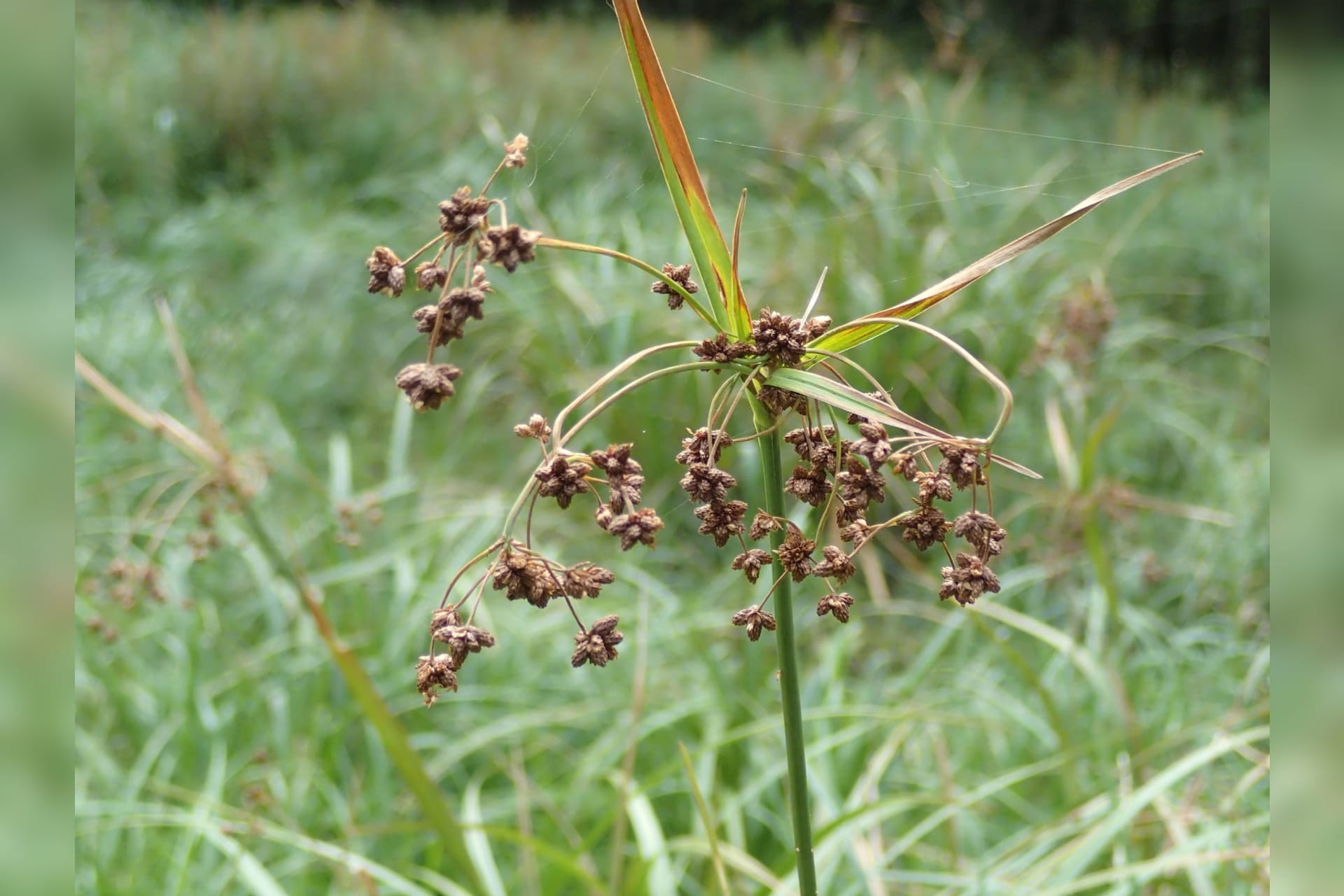
The U.S. Fish and Wildlife Service is removing the northeastern bulrush from the federal List of Endangered and Threatened Plants due to recovery. This decision is based on the best available scientific and commercial information and reflects ongoing conservation efforts led by the Service and partners to recover this perennial wetland plant.
Since the beginning of President Donald J. Trump’s first term in 2017, the Service has delisted 40 species from the Endangered Species Act due to recovery. These delistings reflect successful conservation partnerships and the administration’s focus on results-driven management that returns recovered species to state and tribal stewardship.
When the northeastern bulrush was listed as endangered in 1991, there were only 13 known populations in six states. Today there are 148 known populations in eight states — Maryland, Massachusetts, New Hampshire, New York, Pennsylvania, Vermont, Virginia and West Virginia — a more than elevenfold increase.
“Our partners were instrumental in this recovery success story, leading the way in the effort to better understand and survey for this species,” said U.S. Fish and Wildlife Service Director Brian Nesvik. “The delisting of the northeastern bulrush demonstrates the value of cooperative conservation and our commitment to using the best science to reduce unnecessary regulatory burden and celebrate success by delisting when species are recovered.”
Since the species was listed in 1991, state agencies and partners have conducted surveys for northeastern bulrush in every state in its known range, informed by the knowledge that this plant may not appear in the same spot every year. If environmental conditions are unfavorable, northeastern bulrush may be absent aboveground for many years, re-emerging when conditions improve.

Partners also took on targeted efforts to advance recovery, including controlling invasive species, protecting its habitat, conducting long-term monitoring, and propagating and transferring northeastern bulrush to establish a new population in New York. To learn more about northeastern bulrush, visit the species profile page on the Service’s Environmental Conservation Online System.