Community Bulletin
Bundling home and auto can lower your premiums — and at Jen Kesling State Farm in Buckhannon, a full-service agency with a 4.9-star Google rating across 300-plus reviews, a bundled quote is a phone call away. Read more →
This story brought to you paywall-free, courtesy of the My Buckhannon team and our community partners
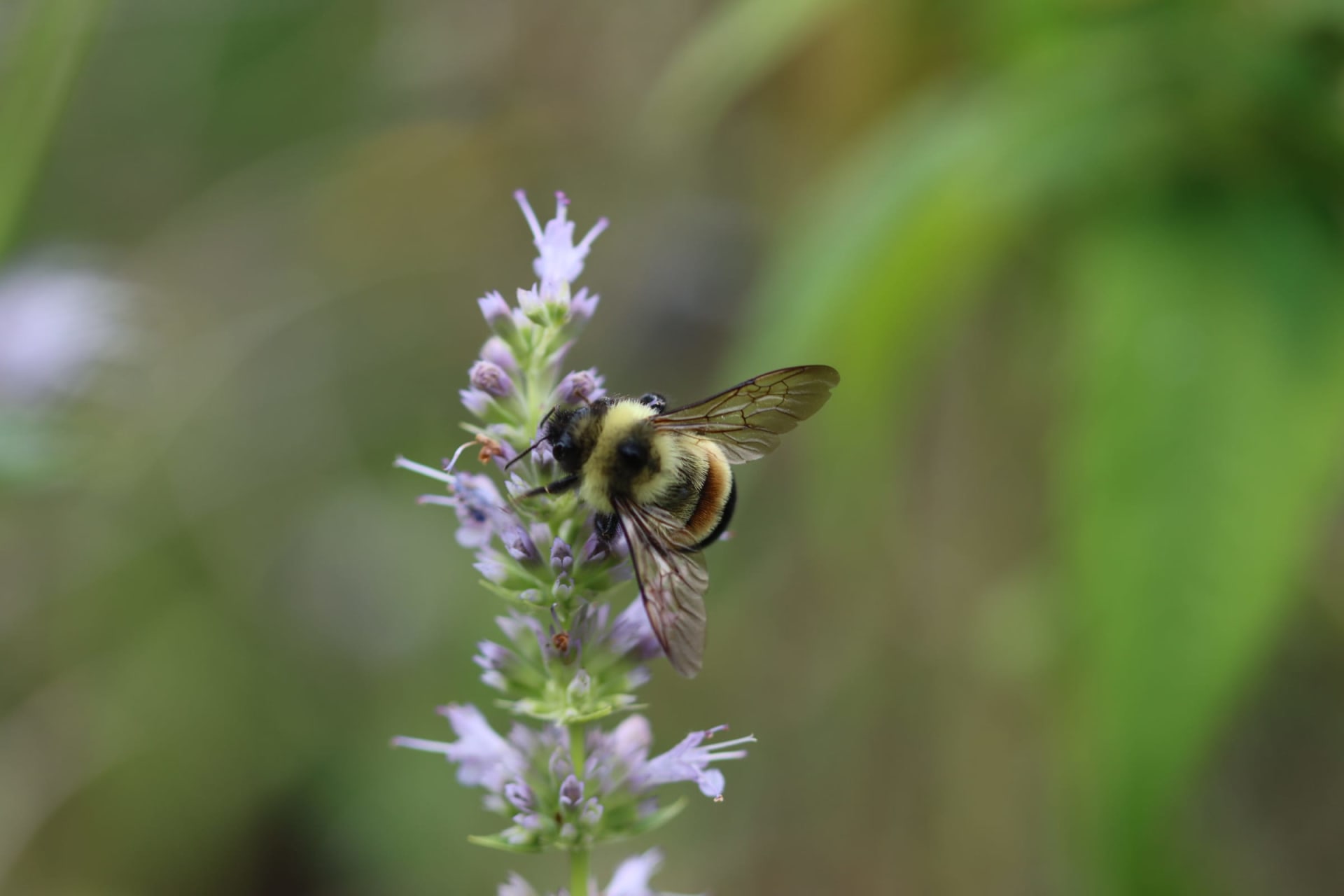
The U.S. Fish and Wildlife Service is designating approximately 1.5 million acres of occupied critical habitat under the Endangered Species Act for the endangered rusty patched bumble bee. This designation covers 33 counties in Illinois, Iowa, Minnesota, Virginia, West Virginia and Wisconsin. The bumble bee is found primarily in urban and suburban areas in the Midwest, including greater metropolitan areas such as Minneapolis and St. Paul, Minnesota; Chicago, Illinois; Iowa City, Iowa; and Milwaukee, Wisconsin.
Bumble bees, including the rusty patched, are important pollinators, particularly of vegetable crops. Conservation of native bumble bees is important economically and promotes food security nationwide. Critical habitat designations allow the Service and partners to support the continued conservation of imperiled species by guiding cooperation within the federal government.
Critical habitat does not affect land ownership nor create reserves or protected areas. Designation also does not authorize government or public access to private land. However, designations may affect development or other actions that involve federal agencies in planning, permitting or implementation of those actions. Federal agency involvement in actions that would affect the rusty patched bumble bee’s critical habitat is typically limited in urban and suburban settings.
Listed as endangered in 2017, the rusty patched bumble bee became the first bumble bee species to receive federal protection. Historically widespread across its range, the species experienced a significant and rapid decline before its listing. Studies suggest introduced pathogens are the primary cause of the declines. Other synergistic threats include pesticides, particularly insecticides and fungicides, the effects of drought and extreme temperatures and challenges associated with small population size.
The Service collaborates with tribes, federal and state agencies, academic institutions and non-governmental organizations to fund and carry out conservation efforts for the rusty patched bumble bee. Numerous partners across the bee’s range are involved in surveys, monitoring, habitat improvements and other research. Much of this work takes place on private lands with the support of local landowners.

Creating a habitat with a diverse mix of flowering plants that bloom throughout the growing season can support the rusty patched bumble bee and other native pollinators. Visit the U.S. Fish and Wildlife Service website to learn more about how to contribute to their conservation.
The final rule and supporting materials are available at regulations.gov under Docket No. FWS-R3-ES-2024-0132.