Community Bulletin
My Buckhannon's free weekly football pick 'em is back for 2026 with a rebuilt page, pick stats that go public once they lock and a leaderboard that crowns a season champion. Seven high school and college games a week, no entry fee and no password to sign in. Read more →
This story brought to you paywall-free, courtesy of the My Buckhannon team and our community partners
CHARLESTON, W.Va. — The following events happened on these dates in West Virginia history. To read more, go to e-WV: The West Virginia Encyclopedia at www.wvencyclopedia.org.
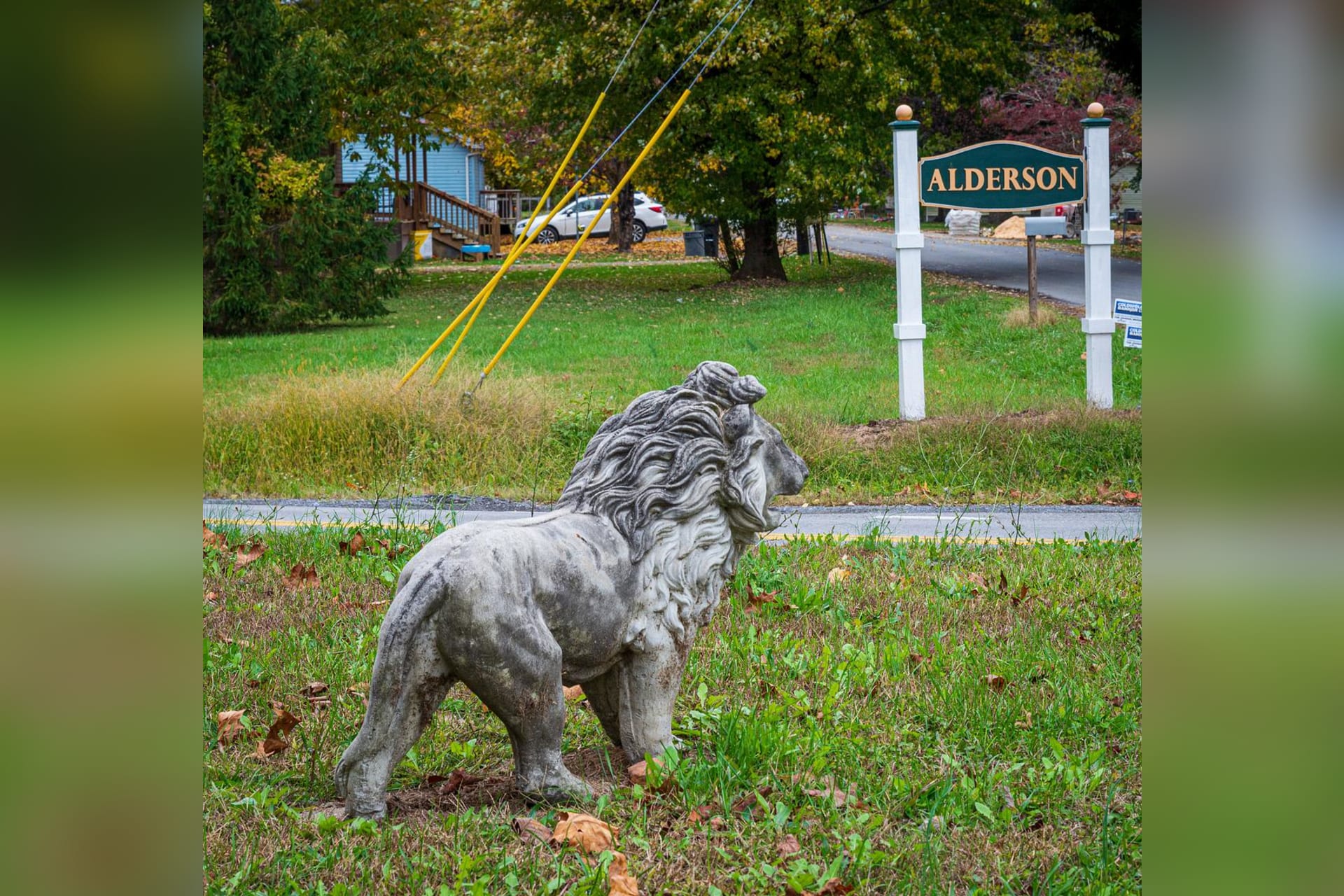
Oct. 4, 1890: A traveling circus arrived in Alderson. While in town, the show’s lioness gave birth to cubs. Susan Bebout, wife of a local blacksmith, raised one of the rapidly growing cubs in her backyard. Its regular escapes led the town to pass an ordinance requiring all lions to be kept on leashes.
Oct. 4, 1934: Sam Huff was born at Edna, near Morgantown. Huff was part of a fearsome defense that led West Virginia University to a 38-7 record between 1952 and 1955, including three consecutive wins over rival Penn State.
Oct. 4, 1967: Basketball player Vicky Bullett was born in Martinsburg. While starring at the University of Maryland, she helped lead the U.S. women’s basketball team to a gold medal in the 1988 Olympics.
Oct. 6, 1928: Traditional musician William “Frank” George was born in Bluefield. The multi-instrumentalist and his wife, Jane George, were leaders in the old-time folk and music revival of the 1960s and 1970s.

Oct. 7, 1747: Pioneer Ebenezer Zane, the founder of Wheeling, was born on the South Branch of the Potomac River near present Moorefield in Hardy County.
Oct. 7, 1763: England’s King George III issued a proclamation banning all settlement west of the Alleghenies. In present-day West Virginia, the line ran along the divide between eastern rivers and the Ohio watershed, leaving only the Eastern Panhandle and a fraction of Monroe County open to settlement.
Oct. 7, 1900: Poet Roy Lee Harmon was born in Boone County. He founded the West Virginia Poetry Society and served as the state’s poet laureate for 38 years.
Oct. 7, 1947: Musician Mike Morningstar was born in Parkersburg. He has performed across West Virginia in small bands and as a solo act since the 1960s. His heartfelt songs about our state have earned him the nickname of “West Virginia’s Troubadour.”
Oct. 7, 1957: Musician Michael W. Smith was born in Kenova, Wayne County. One of the top-selling artists in gospel music history, he has recorded 37 albums (selling 18 million), had 35 number-one songs and written over a dozen books.

Oct. 8, 1764: Harman Blennerhassett was born in England. He and his wife Margaret settled on an island near Parkersburg in 1798 and built an elaborate mansion. In 1805, they joined the Aaron Burr Conspiracy, leading to Harman’s arrest on treason charges. Although released after Burr’s acquittal, Blennerhassett died in poverty in 1831.
Oct. 8, 1909: Harry Brawley was born in Charleston. As a history teacher, he pioneered the use of radio in classrooms and later broadcast shows for schools. He was also instrumental in founding what is now West Virginia Public Broadcasting.
Oct. 8, 1993: The Rev. Bernard Coffindaffer died unexpectedly of a heart attack. Starting in 1984, Coffindaffer began erecting clusters of crosses in West Virginia and other states. He was buried in Nicholas County, just across the highway from a set of his crosses.
Oct. 9, 1877: The Episcopal Church created the Diocese of West Virginia. The initial convention of the new diocese met at St. John’s Episcopal in Charleston, with 14 clergy and 16 lay delegates.
Oct. 9, 1918: Lucinda Rose died. During World War I, the Doddridge County native and Clarksburg resident was dispatched overseas as a nurse with the Red Cross. She contracted influenza on the transport and died after reaching England. She is the only West Virginia woman to lose her life overseas during the war.

Oct. 9, 2014: Following court rulings and announcements by the governor and the attorney general, same-sex marriage was effectively legalized in West Virginia.
Oct. 10, 1774: Shawnee warriors led by Cornstalk were defeated by Virginia militia at the Battle of Point Pleasant. It was the only major engagement of Dunmore’s War and the most important battle ever fought in present West Virginia.
Oct. 10, 1872: Architect H. Rus Warne was born in Parkersburg. Warne designed many notable buildings in Charleston, including City Hall and the Masonic Temple.
Oct. 10, 1878: Blanche Lazzell was born in Maidsville, Monongalia County. She was one of West Virginia’s most notable artists and is recognized as one of America’s leading abstract painters and printmakers.
Oct. 10, 1904: Author W. E. Blackhurst was born in Arbovale, Pocahontas County. As a teacher at Green Bank High School, he developed the state’s first conservation classroom course. His 1954 novel Riders of the Flood is a classic tale of the timber boom era in the Greenbrier Valley.

Oct. 10, 1948: During a boat-racing event in Charleston, Chuck Yeager flew a Lockheed P-80 Shooting Star under the South Side Bridge, surprising boaters, audience and news media at the event.