Help Wanted
Sam's Pizza, a family-owned fixture in Upshur County since 1991, is adding delivery drivers to its team of more than two dozen at its Buckhannon location. Applicants are asked to apply in person at 9 Southfork Plaza Drive. Read more →
This story brought to you paywall-free, courtesy of the My Buckhannon team and our community partners
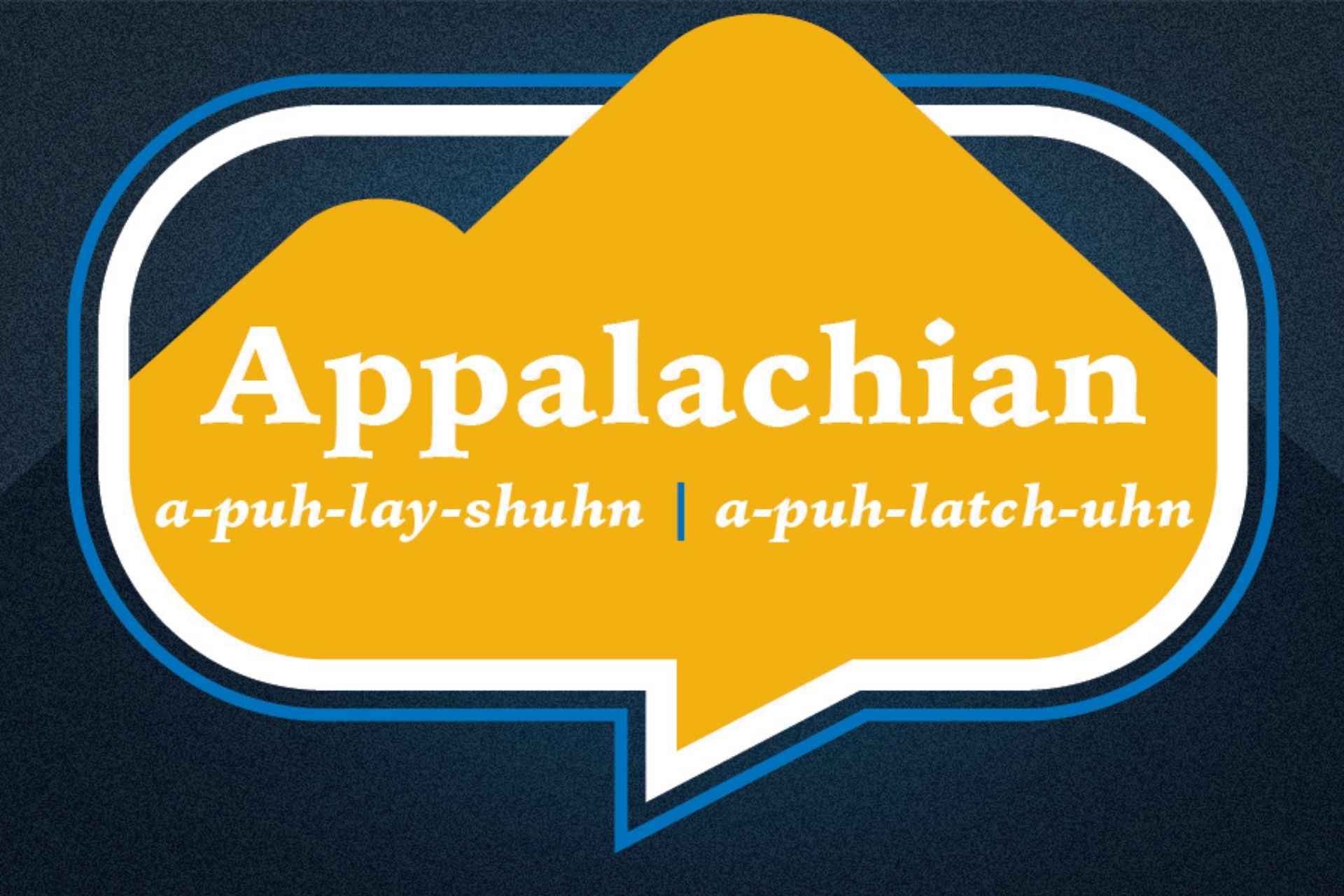
Language and the way we use it is important for more than communicating. According to two West Virginia University researchers, language has, in part, defined the way people in Appalachia are perceived—and judged—in other regions of the U.S.
In turn, Appalachians, or people from an eight-state area that stretches from southern New York to north Georgia, have either stood their ground and continued using the vowel sounds that give away their linguistic roots or adapted their speaking patterns to fit into new places or situations.
Kirk Hazen, director of the West Virginia Dialect Project and professor of linguistics in the Department of English, said Appalachians are stigmatized for their speech and may be marginalized in school or the job market because of that stigma. And therein lies the linguistic choices that the region’s speakers make—those who choose to maintain their use of stigmatized language features—like their accents—because of a sense of connection to that identity and those who choose to use language features that are less stigmatized.
“Teachers who are more proactive can help create those classrooms where we interrupt stigmas whether those were about language or racial or social class identities,” Hazen said. “When we do not disrupt the social stigmas that are limiting to people’s ability to envision a broader future, then that’s a serious problem educationally.”
Enter “Shayla,” a Kentucky coal fields high school student who was selected for a summer arts academy in Lexington where her speech was ridiculed and one of her peers offered to be “an interpreter.” “Shayla” said that it wasn’t her language, but their perception that was the problem, telling them, “You need to get your ears checked.”

“And that made her never want to go back, and not go to college outside her region,” according to Audra Slocum, a professor of English education. “She doubled-down on staying home and holding on to those vernacular features.”
Slocum, also the co-director of the National Writing Project at WVU, notes that the language features associated with the region are not “right or wrong.” Society has assigned the meaning to the variations.
“There isn’t a singular Appalachian English,” she said. “There’s not just one set of patterns. It’s a whole host that people pick and choose from in different contexts for different purposes and there are social consequences attached to those choices.”
Hazen said any time people interact, the language and linguistic nuances are exchanged. In fact, the evolution of language and shifts in vowel sounds happen only in two-way encounters, whether they are face-to-face or online.
And while Appalachia, in reality, is no more isolated than any other region in the U.S., that description fit the goals some writers in the late 19th and early 20th centuries had for the region’s representation—rural, pristine, pastoral. Other.
Slocum said an Appalachian “othering” is still taking place, the myth of an Appalachian exceptionalism that says it’s somehow different from the rest of the country. That myth, when laminated onto the language, she said, means people, Appalachians included, will look for differences and maintain certain elements to sort people according to those differences.
Standard or not, Hazen finds beauty in the iterations of Appalachian Englishes, and he believes that if both the regional speakers and those who judge them discover how language works, it may give them hope.
“We might be able to foster understanding of their own society and of themselves, but also for other people and their variety of language,” he said.