Community Bulletin
A run of power outages across central West Virginia in recent months has homeowners weighing backup options. Crites Electric, a Buckhannon Generac dealer of more than 45 years, installs automatic standby generators that restore power within seconds — no cords, no switches. Read more →
This story brought to you paywall-free, courtesy of the My Buckhannon team and our community partners
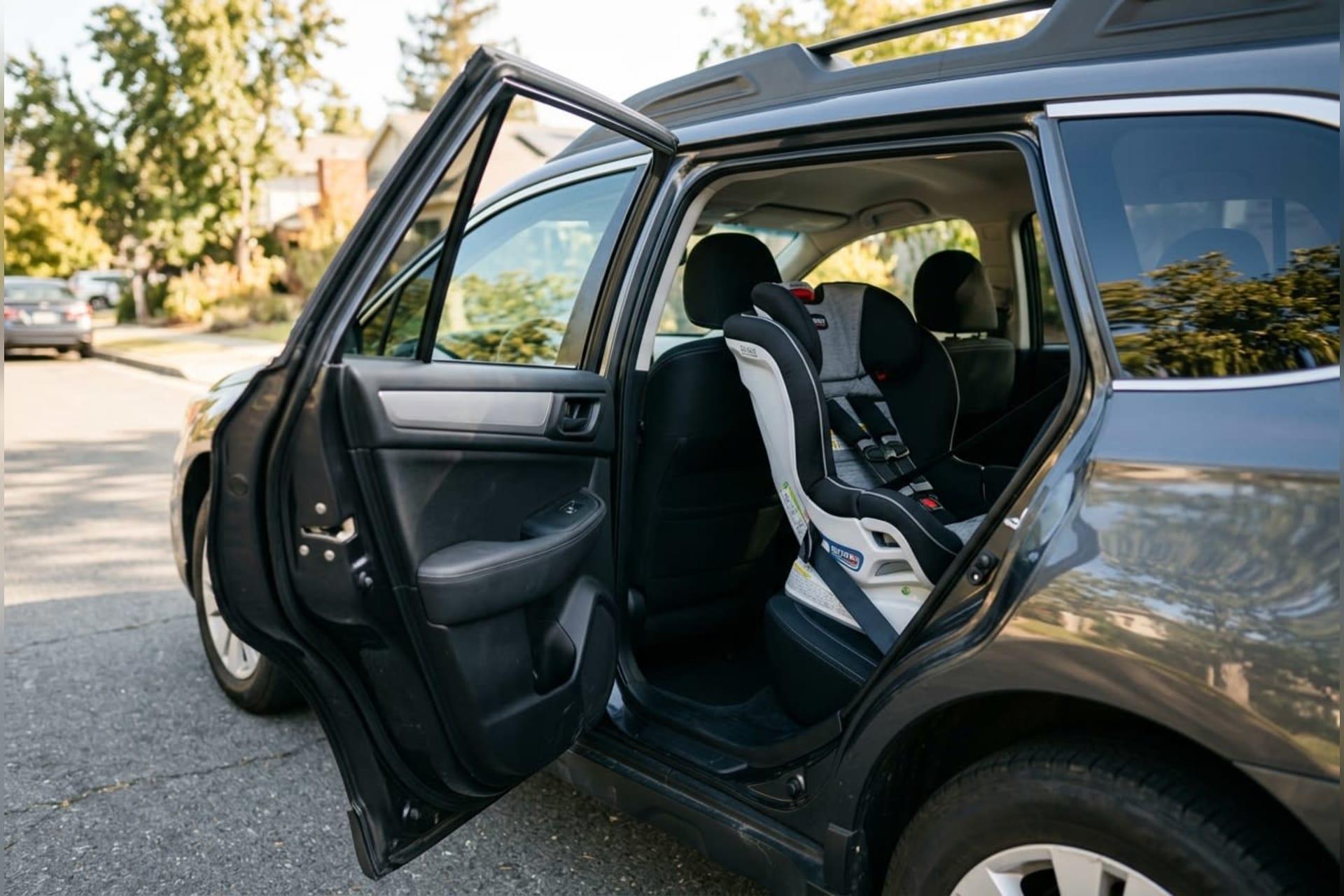
CHARLESTON — Vehicular heatstroke is the leading cause of non-crash, vehicle-related deaths for children 14 and younger in the United States, according to the West Virginia Governor’s Highway Safety Program.
The Governor’s Highway Safety Program is partnering with the U.S. Department of Transportation’s National Highway Traffic Safety Administration to urge parents and caregivers to learn and share information about the dangers of leaving children alone in hot vehicles.
Since 1998, vehicular heatstroke has killed more than 1,000 children. On average, one child dies from heatstroke every 10 days in the United States after being left in a vehicle or getting into an unlocked vehicle. While hot vehicle deaths can happen in any month, there is typically an increase from May through September.
Internal vehicle temperatures can quickly rise up to 50 degrees warmer than outside temperatures. Because a child’s body temperature increases three to five times faster than an adult’s, even a cool day outside may still pose a threat to a child.
In 2025, 31 children died due to vehicular heatstroke, down from 39 children in 2024. On average, 37 children die each year as a result of vehicular heatstroke.

Toddlers and young children are more likely to climb into a vehicle and become trapped, unable to get out. Children “gaining access” to a vehicle account for nearly one-quarter of hot vehicle deaths. Parents and caregivers are encouraged to teach children that vehicles are not playgrounds and that playing in and around one is dangerous.
“Parents and caregivers think this sort of tragedy could never happen to them,” said Jack McNeely, director of the Governor’s Highway Safety Program. “Sadly, ‘never’ does happen. Anyone can forget no matter who is taking care of the child, what their background is, or where they come from: Routines are often upended. It is during these moments of hurriedness and change in routine that many of these tragedies occur. Once You Park, Stop, Look, Lock.”
Parents and caregivers are urged to check the entire vehicle, especially the back seat, every time they get out; never leave a child unattended in a vehicle, even for one minute; and always lock the vehicle and put keys out of reach.
More information on vehicular heatstroke is available at NHTSA.gov/Heatstroke, and current data is available at noheatstroke.org.