Fairmont State University’s aviation program continues to advance, strengthened by new leadership and significant investments that position it for lasting growth, expanded enrollment and an even greater impact on West Virginia’s aviation workforce, according to a press release from the university.
“The Board of Governors has complete confidence in the direction of Fairmont State University’s Aviation program,” said Jason Pizatella, BOG Chairman. “The investments being made in new leadership, aircraft, and infrastructure are delivering clear results and laying the foundation for long-term success. This is a program with a clear vision, strong leaders, and a very bright future. We are very proud to support its continued growth.”
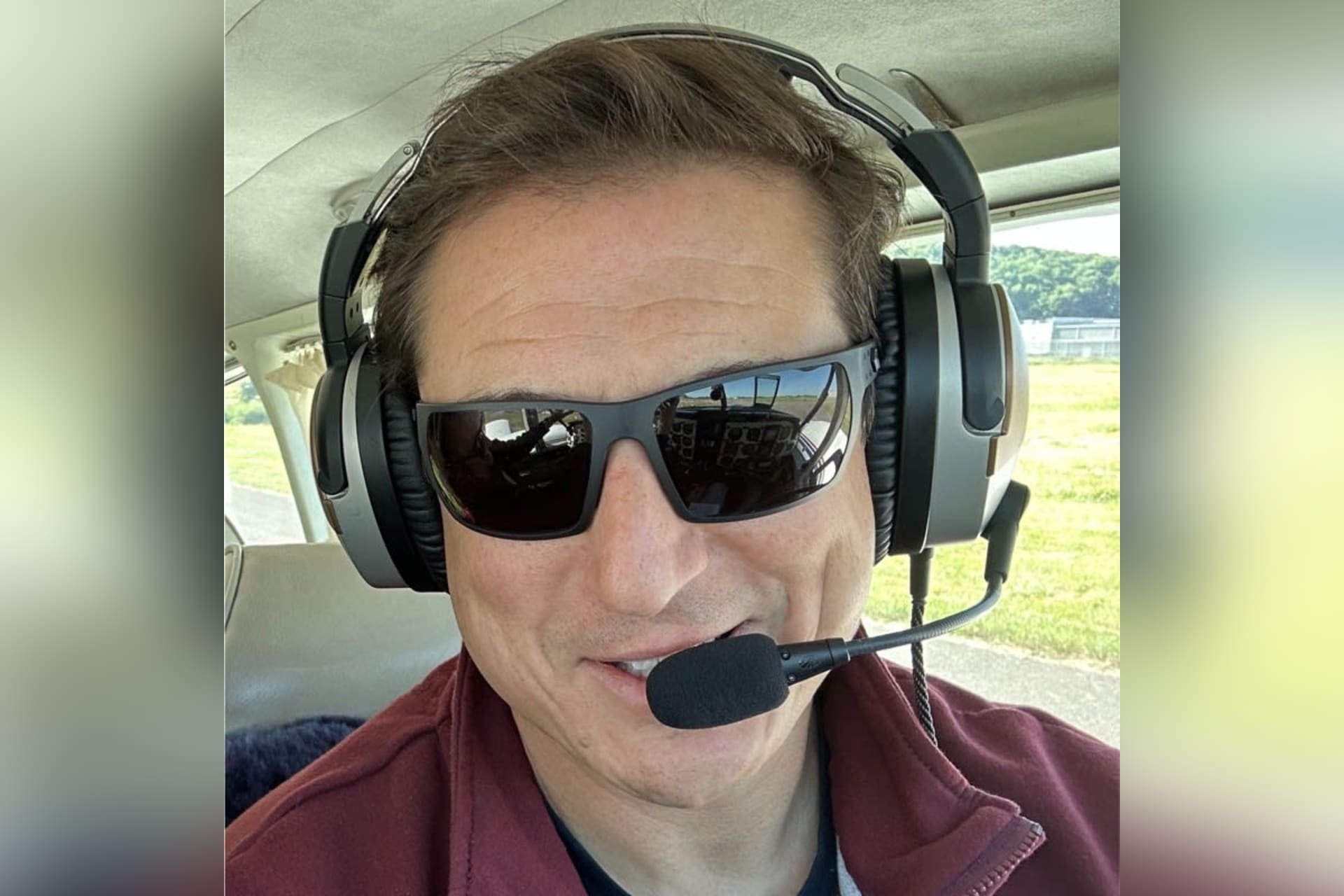
Beginning April 6, Jeremy Griffin will assume leadership of flight operations as the program’s new Chief Flight Instructor. Oversight of the program will remain with Aviation Department Chair Joe Ferguson. Together, Griffin and Ferguson will continue guiding the program toward a comprehensive educational experience that blends technical excellence with real-world experience.
Griffin brings more than 30 years of aviation experience to Fairmont State. A retired U.S. Army Chief Warrant Officer 5, he primarily served as a pilot flying AH-64 Apache and UH-60 Blackhawk helicopters. His background includes extensive experience as a special operations evaluator and instructor pilot, and he is among a select few U.S. pilots rated in Russian helicopters.

In addition to his military career, Griffin is a certified Airline Transport Pilot (ATP), Multi-Engine Instructor, Certified Flight Instructor (CFI) and Certified Flight Instructor-Instrument (CFII) in both rotary-wing and fixed-wing aircraft. He also holds a degree in aviation from Liberty University.
“Chief Flight Instructor Griffin represents exactly the kind of leadership and expertise that defines Fairmont State University,” said President Mike Davis. “His extensive military background, instructional depth, and devotion to student success — paired with Aviation Department Chair Ferguson’s strong academic leadership — create a powerful foundation for our Aviation Program.”
Fairmont State’s aviation program has also received a significant boost through recent funding. The university was awarded $1.65 million in Fiscal Year 2026 Congressional Directed Spending to expand its flight operations capacity. These resources will support the purchase of additional aircraft for the Fairmont State Flight Center, enabling the program to serve more students and satisfy growing regional and national demand for professionally trained pilots.
The university will also add two additional aircraft through a $2 million contribution from the Governor’s Civil Contingency Fund in January 2025. This funding will support the acquisition of two Cessna Skyhawks — one of which was delivered on March 26 and the other scheduled for delivery next year — along with critical engine rebuilds to enhance fleet reliability and longevity.

The university operates a Federal Aviation Administration (FAA) Part 141 flight training center and currently produces approximately a dozen commercial pilot graduates each year. With the addition of new aircraft, Fairmont State will be able to increase operations, creating greater access for aspiring aviators while supporting the North Central West Virginia aerospace workforce.
Fairmont State’s aviation program is also helping address the current national pilot shortage by expanding and diversifying the pipeline of future aviators. While women comprise only 8-9% of pilots nationwide, Fairmont State’s aviation program is nearly 25% female — well above the national average.
To learn more about Fairmont State University’s aviation program, visit www.fairmontstate.edu/academics/programs/aviation-administration.