Help Wanted
Central West Virginia Aging Services is hiring caregivers to serve elderly and disabled residents across the state. The nonprofit organization, which has been providing in-home services since 1974, has seven offices throughout West Virginia. Read more →
This story brought to you paywall-free, courtesy of the My Buckhannon team and our community partners
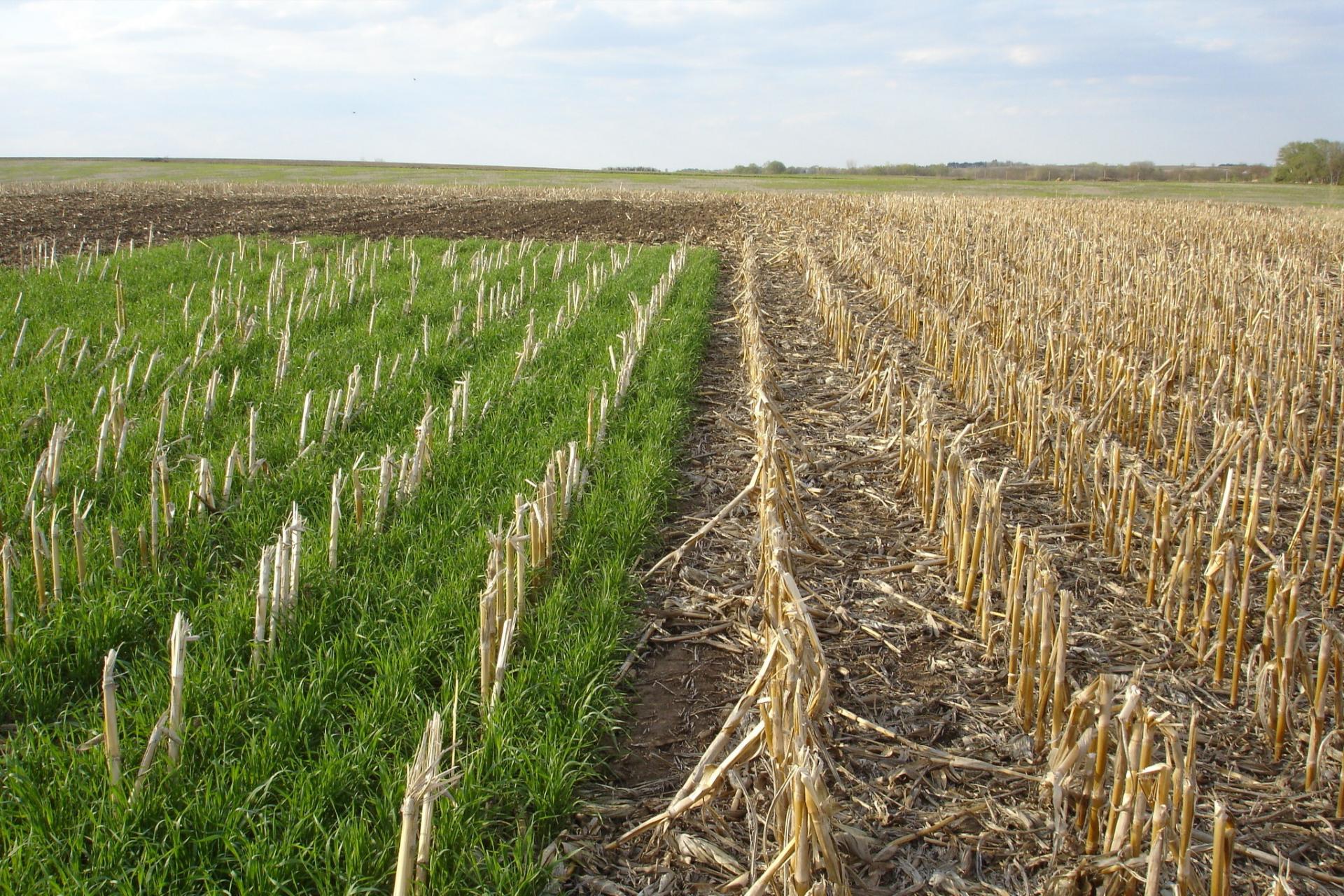
As you pass by farm fields this autumn season, you may wonder why farmers are planting again, even though the harvest has come and gone. This time of year, they are probably planting cover crops.
So, what exactly are cover crops? According to WVU Extension, “cover crops are plants grown to cover soil for specific purposes rather than for harvest. They protect the soil during the period between when one crop is harvested and the next is planted”.
Cover crops are typically planted early October through mid November, dependent on weather and timing of the previous crop’s harvest. Unlike primary crops, they are typically not grown for production or direct consumption. However, they can sometimes serve as cash crops or food sources for livestock and humans.
The earliest findings of cover crop use date back to around 6000 B.C.E. During this time, Greek and Roman farmers utilized legumes as cover crops to enhance soil quality. In the 15th century, farmers in England began experimenting with crop rotation, which included the use of cover crops.
The primary purposes of planting cover crops are to provide nutrients to the soil and improve its overall health, leading to higher yields for the main crop. In West Virginia, farmers usually terminate cover crops while they are still green, which enriches the soil with organic material.

Leaving crop ground bare can present several issues, such as increased pressure of weeds and pests, runoff of topsoil, and lack of water retention.
Cover crops are not limited to large agricultural practices; they can also be beneficial in backyard gardens. There are many types of cover crops available for your farm or garden. For example, Brassica cover crops, such as mustard, can help control soil-borne pathogens like root-knot nematodes and verticillium wilt.
Flowering cover crops like clover benefit pollinators, and some legumes have bacteria that convert nitrogen from the air into a form that plants can use.
If you have more questions about cover crops, what to use in your operation, or inquiries related to agricultural conservation, feel free to reach out to the Tygarts Valley Conservation District, or your county’s extension agent for more information.