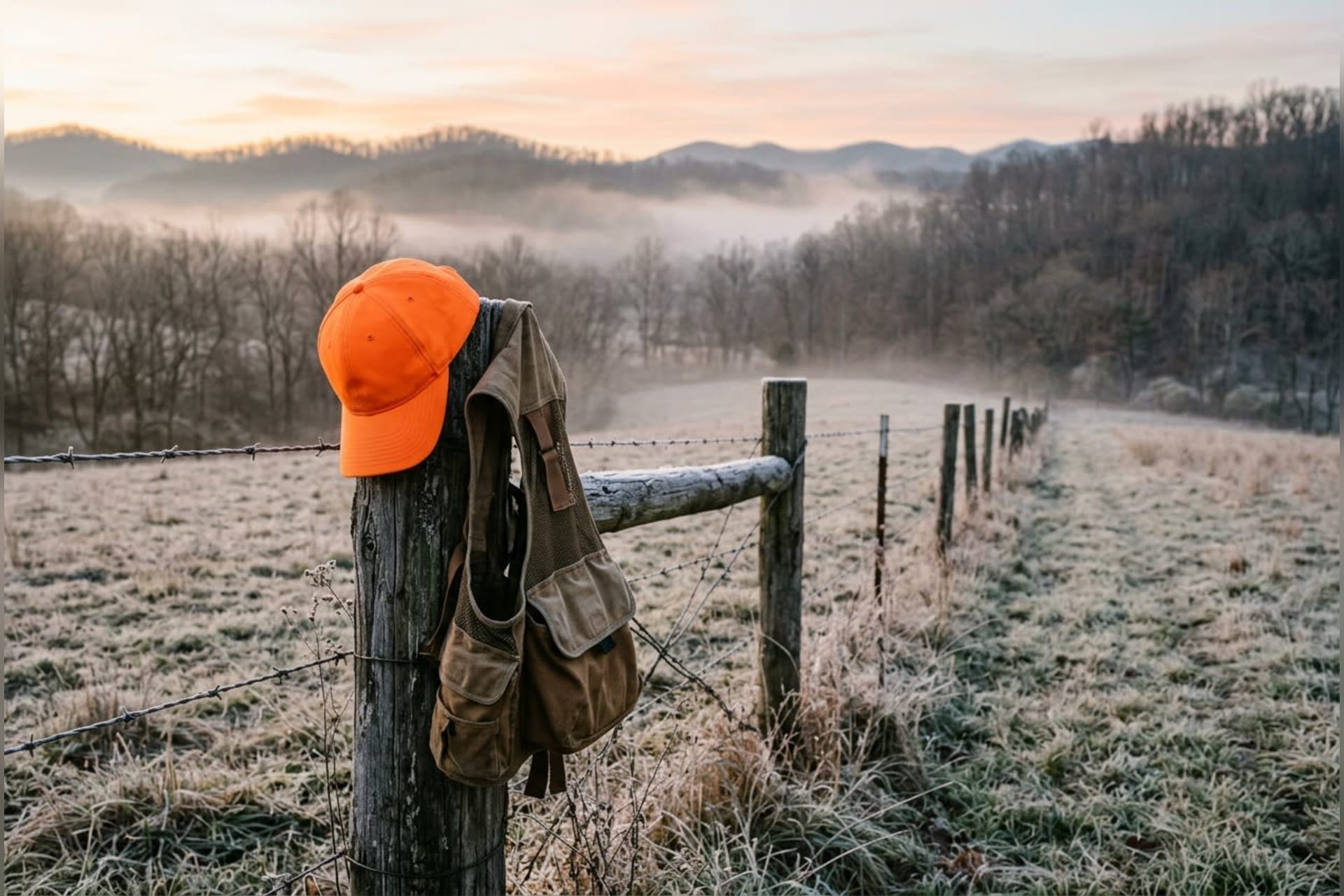
West Virginia hunters can pursue bobwhite quail, cottontail rabbits, snowshoe hares and male ring-necked pheasants starting Saturday, November 7, when several furbearer hunting and trapping seasons also open, according to a release from the West Virginia Division of Natural Resources. Rabbit and hare seasons run through February 28, 2027, and quail and pheasant seasons close January 2, according to the agency’s season listing.
Red fox, gray fox and bobcat may be hunted or trapped. Trapping also opens for raccoons, mink, muskrat, fisher, beaver, otter, skunk, opossum, coyote and weasel.
Two wildlife areas have exceptions: Tomblin Wildlife Management Area in Logan County is closed to bobwhite quail hunting, and Hillcrest Wildlife Management Area in Hancock County allows ring-necked pheasant hunting only from November 14 through December 5.
“The opening of small game seasons marks the start of many long-held traditions across the Mountain State. Our diverse public lands and abundant wildlife offer fantastic opportunities for both seasoned outdoorsmen and newcomers taking to the fields and woods for the first time. We encourage all hunters and trappers to prioritize safety and enjoy the unmatched natural beauty West Virginia has to offer,” WVDNR Director Brett McMillion said in the release.
Hunters and trappers age 15 and older must carry a valid West Virginia hunting license and identification while hunting, unless they qualify for resident landowner privileges. Licenses are sold at WVhunt.com, and season dates and limits are available from WVDNR.
Beaver, fisher and otter catches must be checked electronically at WVhunt.com, as must bobcats taken by hunters or trappers. For beaver, fisher and otter, the trapper must attach a written record of the WVDNR game check confirmation number, name and address to the pelt or whole animal. It must remain attached until the animal or pelt is sold, tanned, made into commercial fur or mounted.
Hunters and trappers selling bobcat or otter pelts out of state need a Convention on International Trade in Endangered Species (CITES) seal for each pelt. Before licensed fur dealers sell those pelts internationally, each must bear a seal from the state where the animal was harvested. The Elkins Operations Center and local WVDNR district offices issue the seals.
For its ongoing otter research, WVDNR asks trappers who harvest a radio-tagged otter to report the tag number and send the transmitter back to the District 4 office in Beckley. A trapper who brings a legally harvested, electronically registered and skinned otter carcass to a WVDNR district office is eligible for a $20 gift card.
Community Bulletin
A longtime State Farm agent on Buckhannon's Main Street, Kelley Tierney offers home, auto, life and renters insurance — plus State Farm financial services — under the company's "Here For What Matters" approach. Read more →
This story brought to you paywall-free, courtesy of the My Buckhannon team and our community partners