Community Bulletin
Wilson Martino Dental's Buckhannon office at 19 E. Main Street says a patient with a dental emergency will be seen within 24 hours of calling, and most of the time the same day. Its "We Cater to Cowards" approach features everything from gentle-injection options to drill-less fillings for anxious patients. Read more →
This story brought to you paywall-free, courtesy of the My Buckhannon team and our community partners
CHARLESTON, W.Va. — The West Virginia Department of Human Services (DoHS) has received approval from the U.S. Department of Agriculture (USDA) to extend the 10-day reporting period for Supplemental Nutrition Assistance Program (SNAP) recipients to report food losses resulting from the severe storms that began affecting West Virginia July 21, 2026.
The extension applies to current SNAP recipients in all 55 counties who lost food due to the storm system. These storms produced damaging winds and torrential rainfall that resulted in flash flooding, landslides, road closures and other dangerous conditions.
Eligible households now have through August 10, 2026, to report food losses and request replacement SNAP benefits.
Households may qualify for replacement benefits if they:
- Are West Virginia residents
- Currently receive SNAP benefits
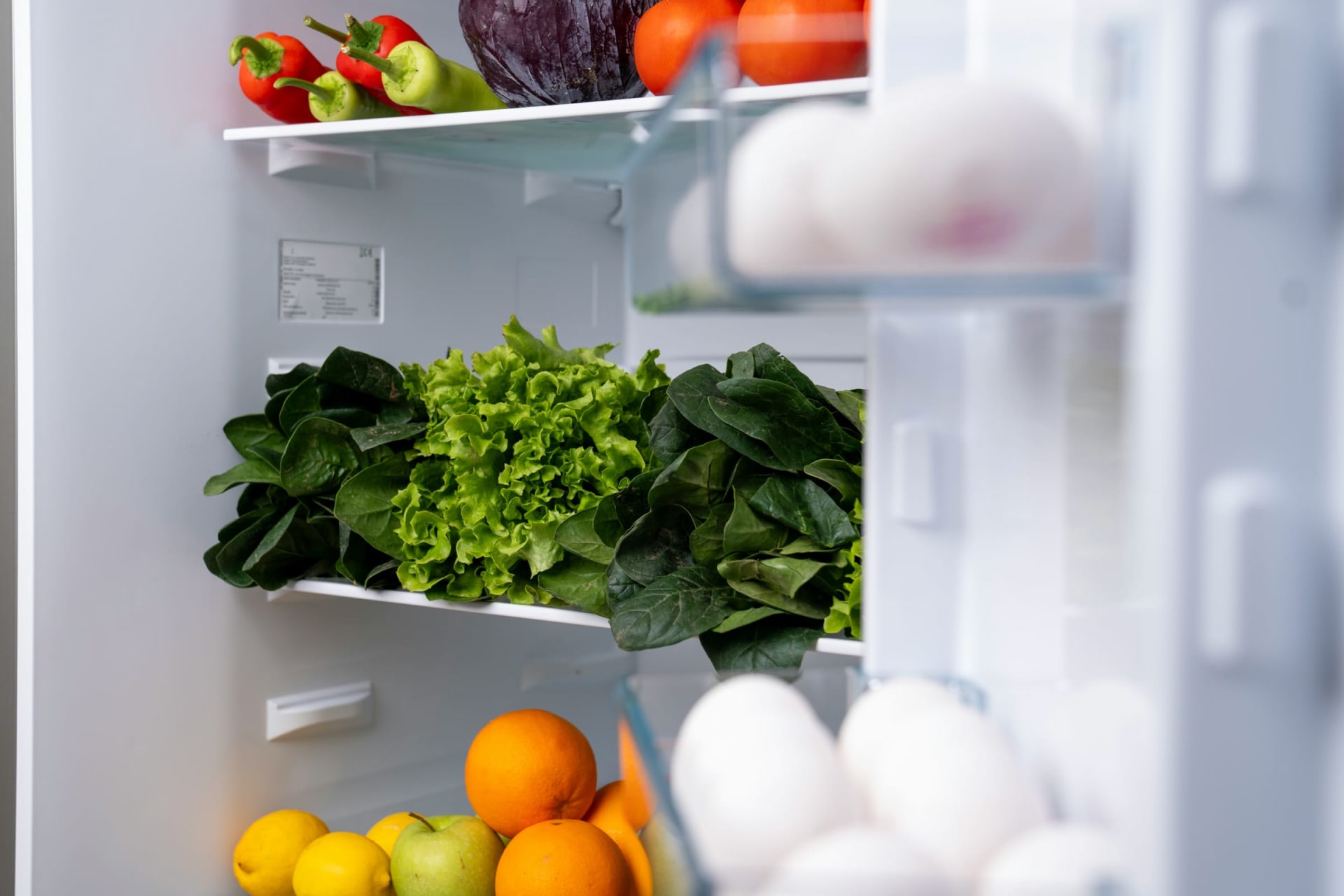
- Lost food due to a household misfortune, disaster or power outage lasting more than four hours
- Submit a signed affidavit
Individuals who believe they qualify are encouraged to report their food loss as soon as possible before the August 10 deadline.

To request replacement benefits or obtain additional information, contact your local DoHS county office or call the Office of Constituent Services’ Customer Service Hotline at 1-877-716-1212.