By Ken Ward Jr., Mountain State Spotlight
This story was originally published by Mountain State Spotlight.
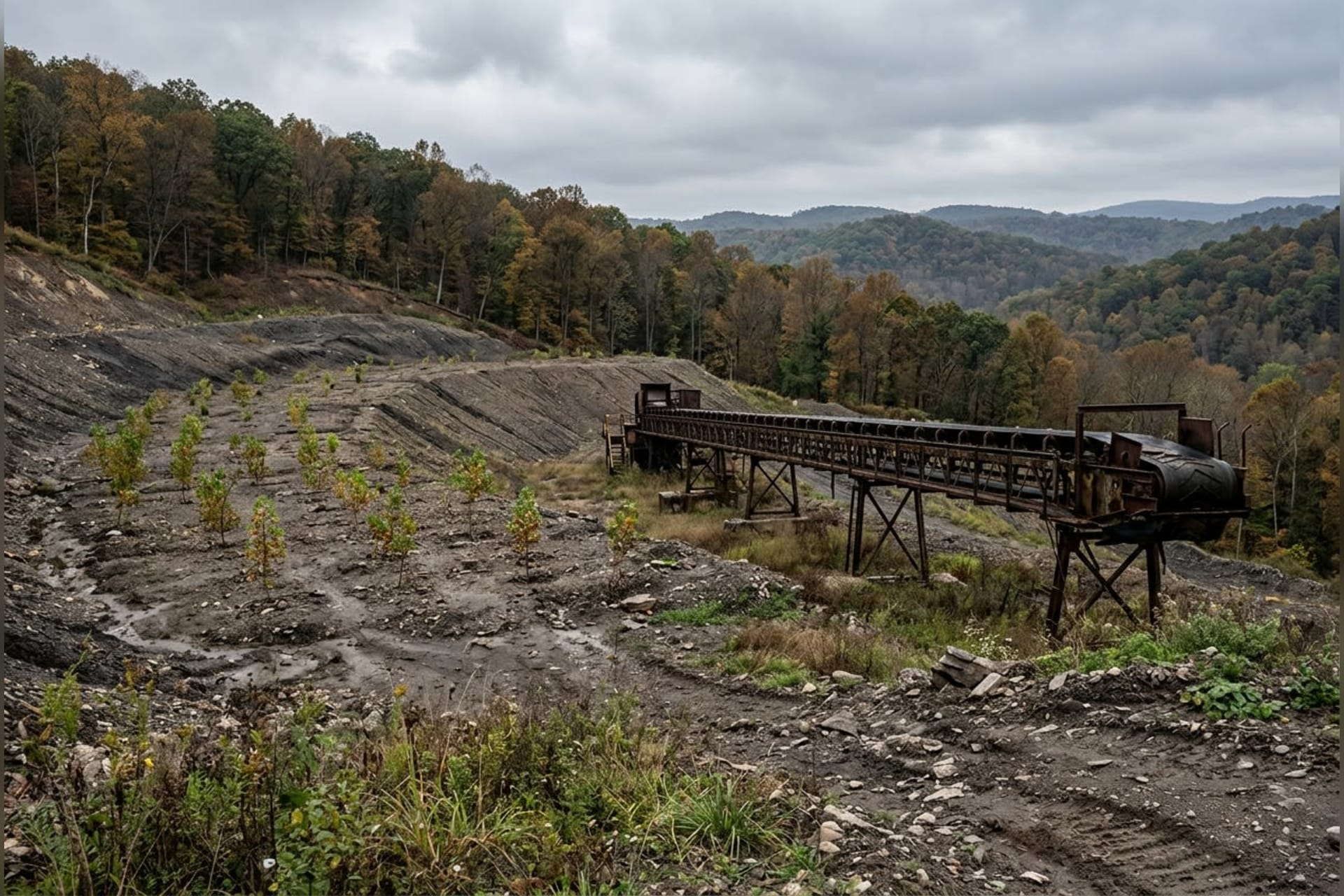
Hundreds of mines across Appalachia haven’t produced a single ton of coal for a quarter-century, but haven’t been cleaned up as required by law, a new federal audit found.
Coal operators haven’t fully reclaimed thousands of acres of these mines. Federal and state regulators haven’t forced action or proposed any systemic effort to remedy the problem, according to the long-awaited audit by the U.S. Government Accountability Office.
GAO investigators warned that impacts and reclamation liabilities of these mine sites are unclear because the federal agency charged with enforcing strip mining rules “does not systemically track or document this information.”
In a 57-page report, the GAO harshly criticized the Interior Department’s Office of Surface Mining, Reclamation and Enforcement for a variety of problems, from not setting clear standards for the timing of mine cleanups to stopping publication in 2020 of a legally required annual report about progress toward meeting mandated environmental standards for the coal industry.
“OSMRE does not fully assess or communicate progress toward meeting its reclamation goals,” the GAO report said. “OSMRE does not have a complete picture of the status of reclamation nationwide.”
Interior and OSMRE officials did not respond to questions about the GAO report.
The GAO findings echo growing concerns of coalfield citizens groups and national environmental organizations. They have been sounding alarms that mines across the country are not being cleaned up, and that operators are taking advantage of lax regulation and bankruptcy system loopholes to stick taxpayers with ballooning cleanup costs.
From the early days of coal mining, companies took what they could from the hills and hollows and moved on to the next mine, often leaving a mess for residents to live with.
In 1977, when President Jimmy Carter signed the Surface Mining Control and Reclamation Act, that was supposed to change. The law required coal companies to clean up after themselves and restore mountains and creeks, a process known as reclamation.
But, as the GAO report outlines, as the nation relies less on coal, operators of nonproducing mines have been delaying reclamation. “Unreclaimed mining sites create risks of environmental, health, and safety hazards, and delay returning lands to other productive uses,” the report said.
The report noted that OSMRE’s staff decreased from 408 to 265 over the last two years, a reduction of 35%.
Multiple members of Congress asked for the GAO investigation three years ago. Democratic members of the House Natural Resources Committee issued a statement saying, “Without adequate measures of reclamation liabilities or regular reporting, Congress lacks the information it needs to judge whether federal oversight is working and whether reforms are needed.”
Reach reporter Ken Ward Jr. at kenwardjr@mountainstatespotlight.org
Help Wanted
Central West Virginia Aging Services is hiring caregivers to serve elderly and disabled residents across the state. The nonprofit organization, which has been providing in-home services since 1974, has seven offices throughout West Virginia. Read more →
This story brought to you paywall-free, courtesy of the My Buckhannon team and our community partners