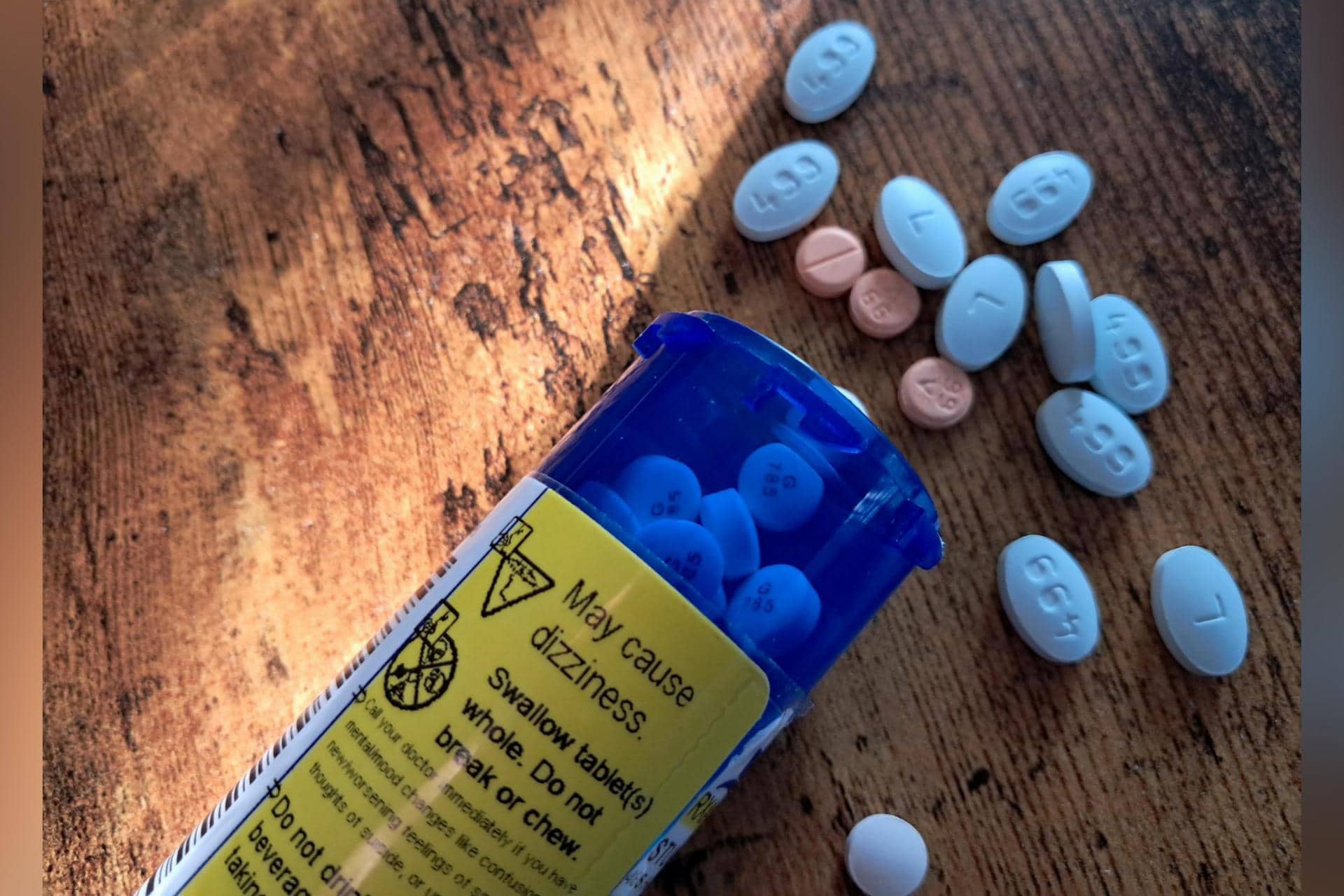
Adults with disabilities are nearly twice as likely to misuse prescription drugs as adults without disabilities, according to West Virginia University research.
Jeanette Garcia, associate professor at the WVU College of Applied Human Sciences, said the findings point to the urgency of curbing prescription misuse among adults with disabilities.
“Almost 10% of the individuals with disabilities in our sample reported misusing prescription drugs within the past year, compared to 4.4% of individuals without disabilities,” Garcia said. “We saw the highest rates of drug misuse among adults with cognitive disabilities and young adults, and pain relievers were the most misused drug.”
Garcia and her collaborators analyzed data from the 2021 National Survey on Drug Use and Health. The data represented 47,100 adults and an estimated 10.9% reported at least one disability, including difficulties with vision, hearing, movement, cognition, self-care and communication.
Comparing different age groups and disability statuses, the researchers tracked misuse of prescription stimulants like amphetamines, prescription tranquilizers like benzodiazepines and prescription pain relievers like opioids — drugs with high addictive qualities and dangerous side effects.
Their results appear in the American Journal of Preventive Medicine.
“Compared to adults without disabilities, adults with disabilities reported more misuse, and those younger than 30 had the highest rates of misuse across all three drug categories — stimulants, tranquilizers and painkillers,” Garcia said.
“That suggests focusing preventive efforts on young adults or even adolescents with disabilities, since adolescents with disabilities, especially cognitive difficulties, may be particularly vulnerable to prescription drug misuse. The fact that adolescent drug misuse increases the risk of cognitive impairment as a young adult underscores the importance of early prevention.”
She noted that individuals with disabilities are more likely than those without disabilities to exhibit prescription drug misuse risk factors like chronic pain, heightened anxiety, major depression and poor physical health.
They’re more likely to receive prescription medications from physicians but less likely to be counseled on the dangers of taking drugs that they haven’t been prescribed or taking them a manner not directed by the prescriber — for example, in greater amounts than prescribed.
And they can find it challenging to communicate their medical needs or identify specialists with the expertise for their complex health conditions.
For every category of prescription drug Garcia examined — stimulants like Adderall, tranquilizers like Xanax and pain relievers like Oxycontin — misuse was highest among those with cognitive and self-care disabilities. The highest rate of misuse, 27%, was for misuse of pain relievers by adults aged 30-49 with cognitive disabilities.
She explained that having both cognitive and self-care difficulties can be indicative of a chronic condition like a traumatic brain injury. People with traumatic brain injuries have increased risk of painkiller misuse due to chronic pain and limited impulse control, and they’re likely to be prescribed opioids.
People with cognitive disabilities often also have sleep issues and mental health disorders like anxiety and depression — all of which have been linked to abuse of tranquilizers.
And cognitive difficulties such as poor concentration and a lack of self-care are primary symptoms of ADHD, a condition correlated with stimulant misuse.
Garcia found misuse rates across age groups and drug types were largely parallel for those with and without disabilities. For example, young adults with disabilities had the highest rates of stimulant and tranquilizer misuse, and so did young adults without disabilities.
However, when it came to misuse of pain relievers, a discrepancy emerged. While pain reliever misuse was fairly low in adults older than 65 who did not have disabilities, the rate shot up when looking at older adults with disabilities.
Garcia speculated that that’s likely the result of pain from chronic disabilities that could worsen with age, along with higher rates of physician-prescribed pain medications for older adults.
Given the significant hike in pain reliever misuse across all age groups in adults with disabilities compared to those without disabilities, Garcia said she believes the research suggests medical providers should consider alternative pain treatments.
“Physicians and policymakers need to be aware of the high rates of prescription drug misuse we’re seeing, especially among adults with cognitive and self-care difficulties. We’ve started to pinpoint some specific disabilities with the highest risks for prescription drug misuse, and an important next step will be exploring the extent to which the severity of someone’s disability or the presence of an additional condition like anxiety affects the likelihood that they’ll misuse uppers, downers or narcotics,” she said.