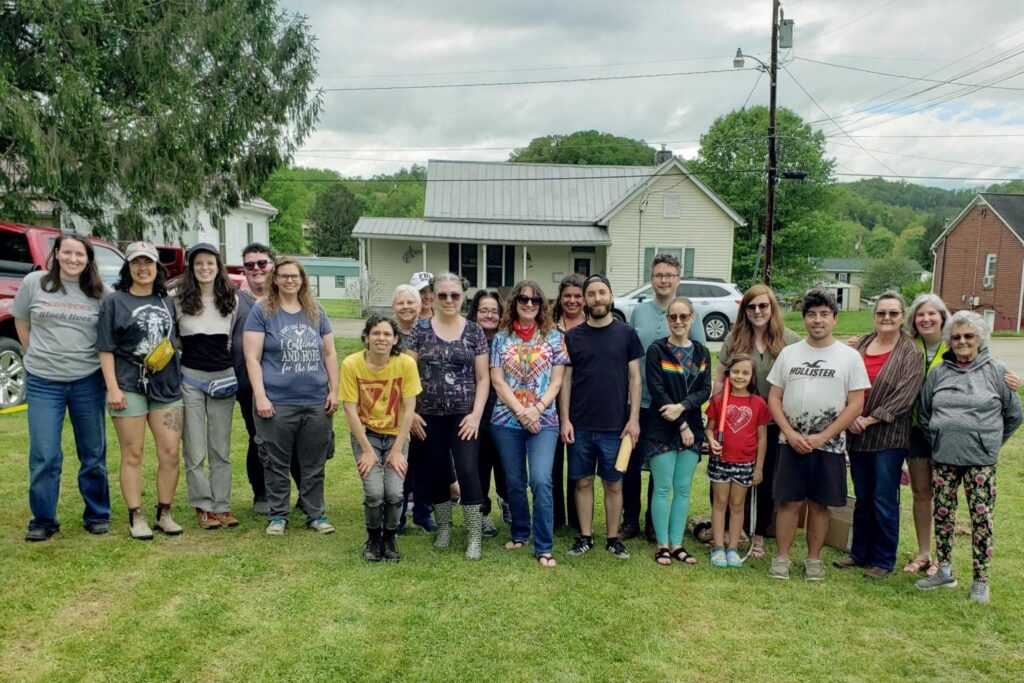
BUFFALO, W.VA. — Private landowners in the Kanawha Valley had a hands-on opportunity to learn how to create a pollinator habitat on their property through a recent workshop hosted by the West Virginia Division of Natural Resources and Toyota Motor Manufacturing West Virginia, Inc.
“About 40 percent of native pollinators in the United States are in decline, so we here at the WVDNR are trying to give landowners the tools they need to help reverse that decline,” said Susan Olcott, pollinator project leader for the WVDNR.
Olcott, who oversaw the pollinator workshop, said planting native flowers and plants is one of the most important things landowners can do to help revive native pollinator populations.
“Not all pollen and nectar are created equal, so when you plant a pollinator garden — like the one we have here at Toyota — you want to plant native species because pollinators thrive on native pollen and nectar,” she said.
Toyota Celebrates Anniversary with Pollinator Workshop
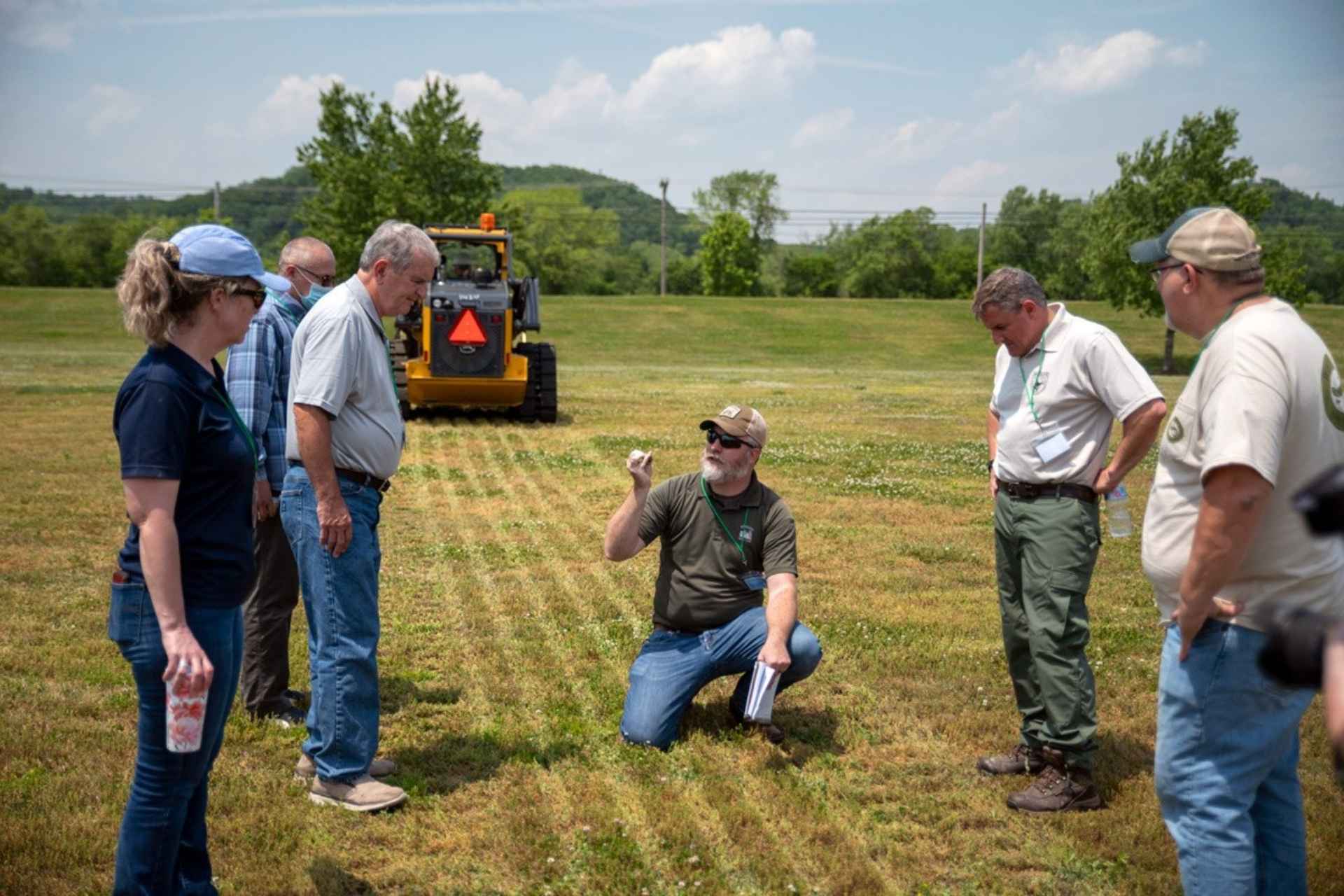
Olcott and wildlife biologists from the WVDNR and representatives from Toyota, the U.S. Fish and Wildlife Service and the U.S. Department of Agriculture Natural Resources Conservation Service met with landowners in May during a pollinator workshop at Toyota’s manufacturing plant in Buffalo.
“This is our 25th anniversary here in West Virginia, so we decided to collaborate with the DNR to host this conference to educate landowners about the importance of pollinators,” said Amanda Williams, an environmental engineer for Toyota. “Our goal at Toyota is to reduce energy consumption and to be an environmentally friendly company.”
Because more than 80 percent of land in West Virginia is privately owned, public-private partnerships are needed to advance the WVDNR’s conservation efforts.
“Private landowners attending today’s workshop had an opportunity to meet with state and federal representatives to learn what technical and financial assistance programs are available to improve their land, which in turn helps our state’s pollinator species,” said Scott Warner, assistant chief of Wildlife Diversity for the WVDNR. “We hope our landowners continue to take an interest in pollinator conservation and that they’ll reach out to our representatives that came to this workshop.”
Pollinators are an integral part of the environment and require diverse habitats to survive. Landowners interested in improving their property by creating habitat for pollinators may contact Lacey Smith, WVDNR/NRCS partner pollinator specialist, by calling 304-368-6909 or sending an email to Lacey.Smith@usda.gov.
To learn more about landscaping for wildlife in general, visit WVdnr.gov/Wildlife/Wildyards.shtm.