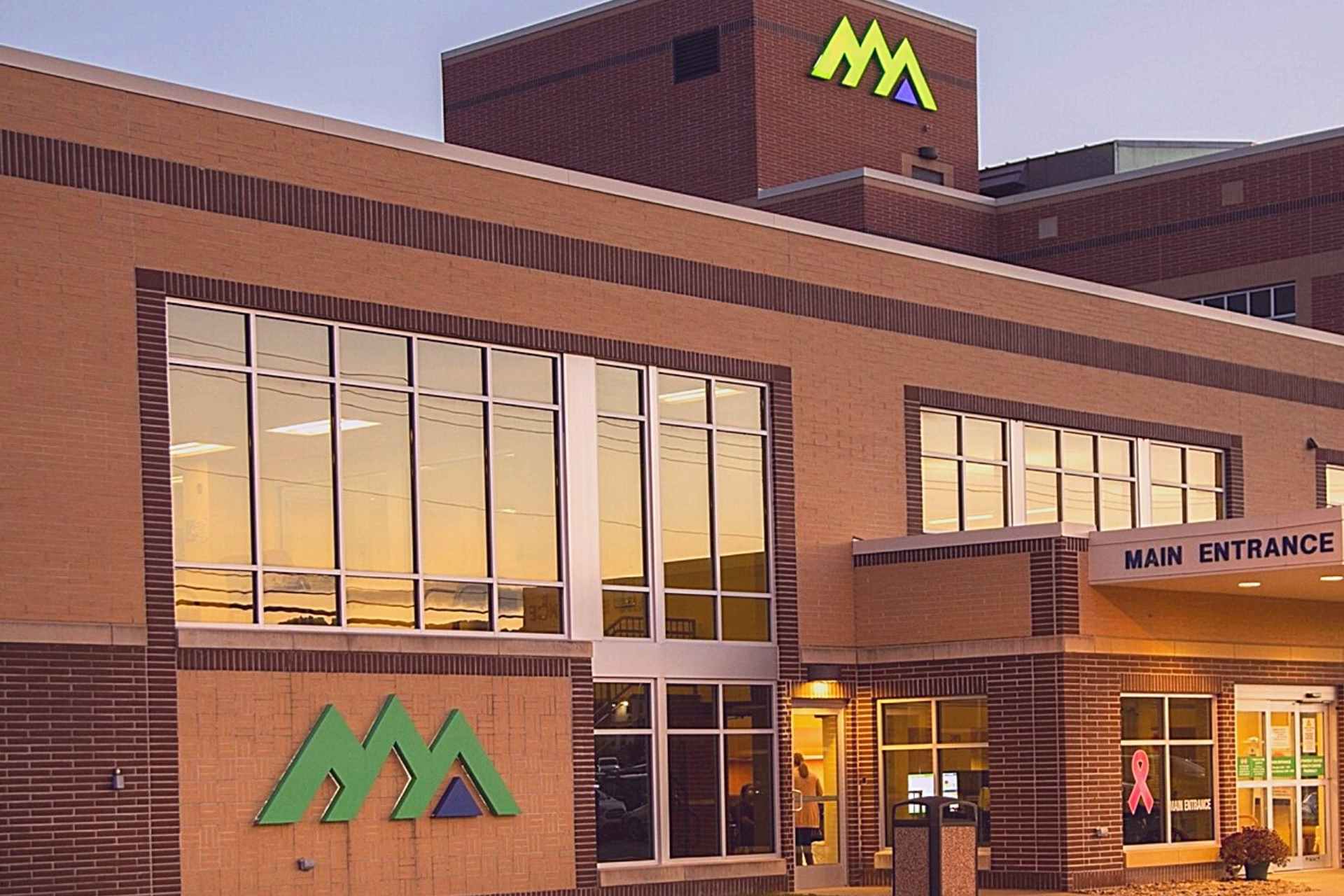
ELKINS, W.Va. — During American Diabetes Month, Davis Medical Center Wound Care and Broaddus Hospital Wound Care want to remind people with diabetes that they are at a higher risk for non-healing foot wounds – and therefore amputations – than most Americans, and that a wound healing center can provide guidance for prevention and treatment.
For most Americans, a blister or cut on the foot is a small inconvenience that a Band-Aid and time will heal. But that’s not the case for the 34.2 million Americans who have diabetes. Some of the complications of diabetes make feet vulnerable to non-healing foot ulcers that can result in infections and even amputations. Sixty to seventy percent of people with diabetes have limited or no feeling in their feet—their early warning systems have been altered or completely shut down by nerve damage. Patients with diabetes who notice any skin changes or red patches on their feet, should visit their primary care provider or call one of DMC’s would healing centers for an evaluation. These centers are here to educate, prevent and provide treatment when necessary.
“It’s much easier to treat a minor foot problem before it becomes serious,” said Josette Batsenikos, FNP-BC of Davis Medical Center Wound Care. “Many patients we see have a diabetic foot ulcer. This type of non-healing wound is the leading cause of hospitalization and amputation for people with diabetes.”
A person with diabetes has impaired immunity and often reduced blood flow to the legs and feet. Both can hamper healing, cause infections and cause damage to underlying structures and bones. In some cases, the damage can lead to a toe, foot or leg amputation.
The World Health Organization estimates that up to 80 percent of all diabetic amputations are preventable. The Davis Medical Center Wound Care and Broaddus Hospital Wound Care will provide the best treatment to help your wound heal. However, in order to prevent a foot ulcer from starting, it is vital that patients with diabetes check their feet daily and get regular foot care from their doctor.
According to the American Diabetes Association (ADA) and Centers for Disease Control (CDC), one adult is diagnosed with diabetes in the United States every 17 seconds. That’s 1.5 million more people each year at risk for non-healing wounds and other complications. What’s more, one in four people who have diabetes today are undiagnosed and don’t know they’re at risk.
The Davis Medical Center Wound Care and Broaddus Hospital Wound Care’s clinical wound healing team combines evidence-based best practices and advanced therapies with individualized treatment plans for faster healing to get their patients back to health and enjoying what they care about most.
For more information, call Davis Medical Center Wound Care at 304.637.3894; or, Broaddus Wound Care at 304.470.4122.