Community Bulletin
General surgeon Avian Pham, MD, has joined WVU Medicine St. Joseph's Hospital, expanding the General Surgery team alongside Dr. Long at the clinic at 10 Amalia Drive in Buckhannon. Appointments: 304-473-2303. Read more →
This story brought to you paywall-free, courtesy of the My Buckhannon team and our community partners
BUCKHANNON – Bobcats are more likely to be heard than seen, but they may be closer than anyone thinks.
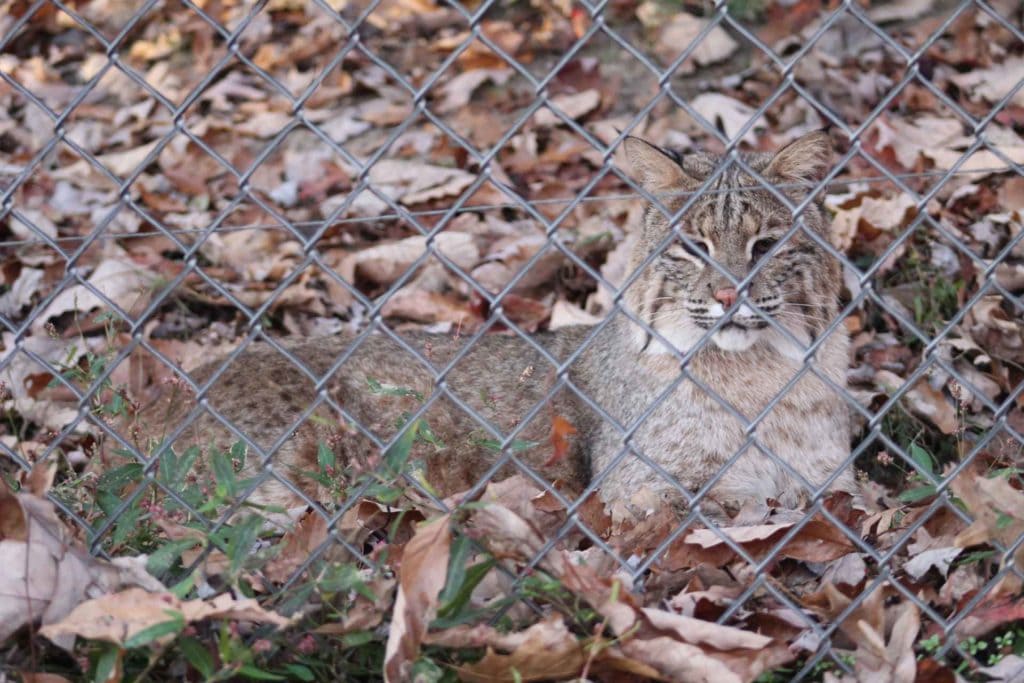
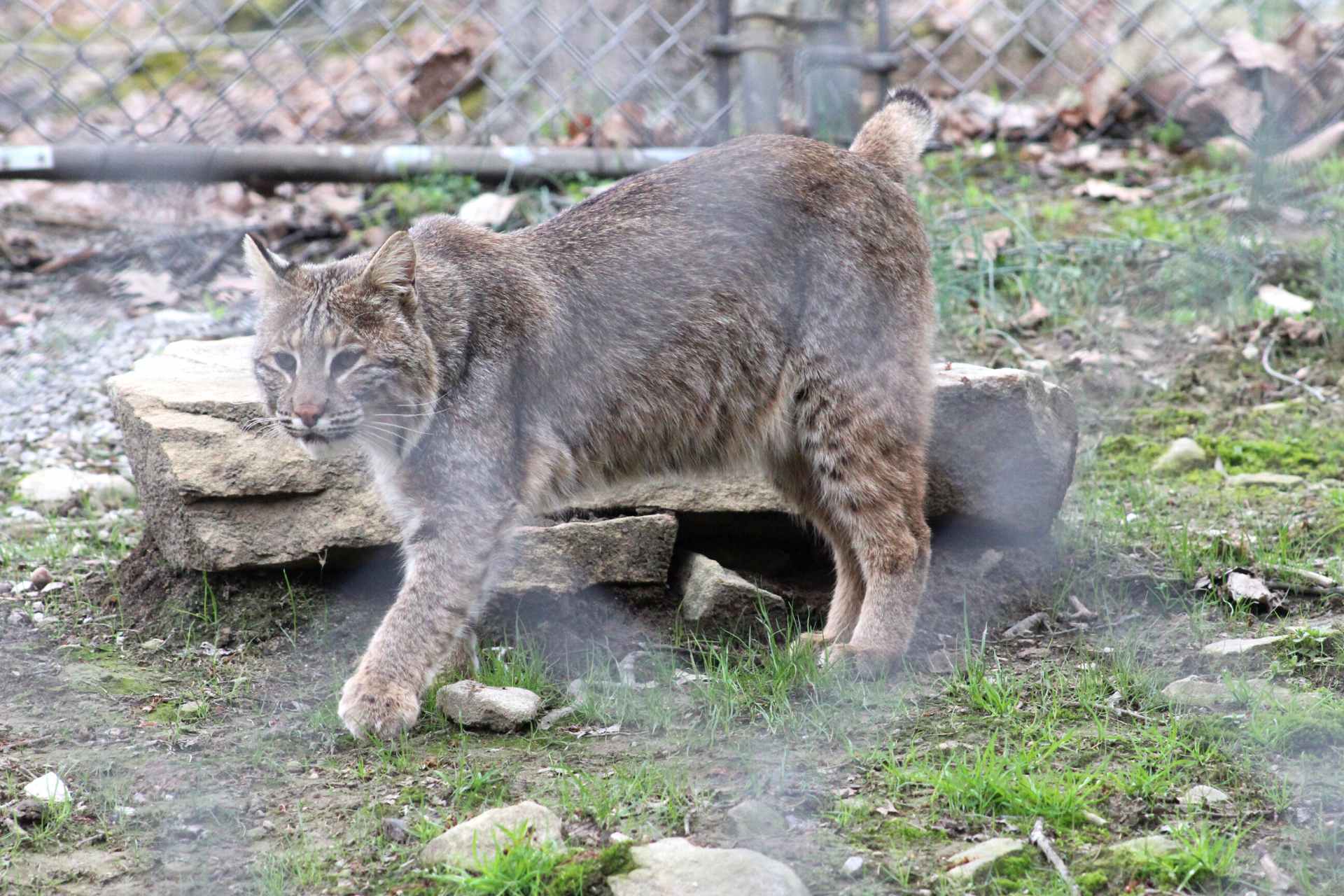
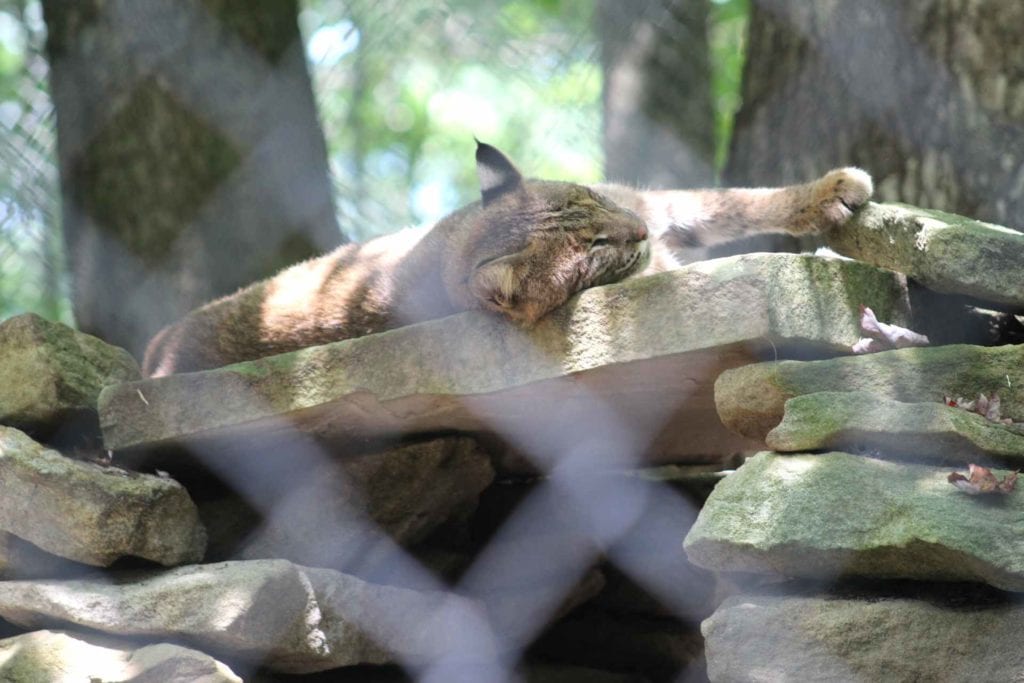
The West Virginia Wildlife Center is home to three bobcats, one male and two females. Two of them were discovered in a field as kittens and turned over to the center, and the other was discovered by a biologist after it was abandoned by its mother.
In the wild, West Virginia Wildlife Center Biologist Trevor Moore said people are more likely to hear them, but hunters have reported sightings.
“You’re mostly going to hear them – or you’re going to see them when you’re out hunting or holding still, and the bobcat doesn’t know you’re there,” Moore said. “There’s a lot of reports from hunters who see bobcats all the time while they’re hunting, especially if they’re coyote hunting, and they’re using those calls of dying rabbits and things like that. Rabbits are a competing resource for bobcats and coyotes, so they’re going to be drawn in as well.”
Bobcats are a very widespread species, Moore said.

“They cover all of the U.S. and most of Mexico, but they once they go up into Canada, they start running into competition with the Canadian lynx,” Moore explained. “They are the same ecological predator as them, but it’s bigger and better adapted to the snow.”
While smaller than other big cats, bobcats have been known to prey on deer.
“Bobcats are very, very opportunistic feeders, and they will take anything they can get, so that ranges from small rodents, rabbits, hares, chickens, things like birds and there have been documented cases with them attacking deer and trying to prey on deer, especially in Florida where the deer are a little bit smaller,” Moore said. “The deer thing surprised me; they don’t do well in the snow because they don’t have big paws like the Canadian lynx, which is probably one of the reasons why they get out-competed in parts of Canada.”
While bobcats have very distinguishable features such as the tufts on their ears, the sounds they make are also recognizable.
“They have two different sounds where it’s like a little like a cough or a bark, and then especially when they’re getting together for a reproduction they make strange sounds,” Moore said. “They’re very typically loners, and they tend to have very well-defined territories they mark with urine and feces. They’re typically very solitary until they get together to mate and then mom will raise the kitten for a bit and then they’ll disperse pretty quickly after that.”

The cats are crepuscular, which means they are most active at dawn and dusk.
“Their behavior can shift because, in the winter, it’s going to get dark earlier, so they might be active a little bit sooner in the day and in the summer, they’re going to be more active later,” Moore said. “For the most part, they’re probably just hunting, finding forage or marking their territories and borders.”
The West Virginia population of bobcats is quite healthy, and bobcats are more common than people may think.
“They’re definitely very, very active in West Virginia, a big detriment to a lot of species is habitat fragmentation, so bobcats have done really well on being adaptive enough to be okay in urban settings a little bit,” Moore said. “A lot of people have bobcats around, and they don’t even know it – that’s how secretive and quiet they are. They’re definitely still around, and we have a healthy population.”
Just like the bobcats at the Wildlife Center, it’s possible to see bobcats in the wild sitting in trees.

“That’s definitely one of their defensive measures, a very classic cat maneuver,” Moore said. “Adult bobcats don’t have a lot of big predators, but coyotes will chase them, wolves and cougars will both eat them if they can. There’s even been reports of golden eagles and other eagles picking off kittens and a bobcat doesn’t necessarily want to fight, so it might just run up a tree because the coyote or the fox isn’t going to be able to get it up there – that’s the classic defensive behavior.”
For directions or to learn more about the West Virginia Wildlife Center, visit its website.